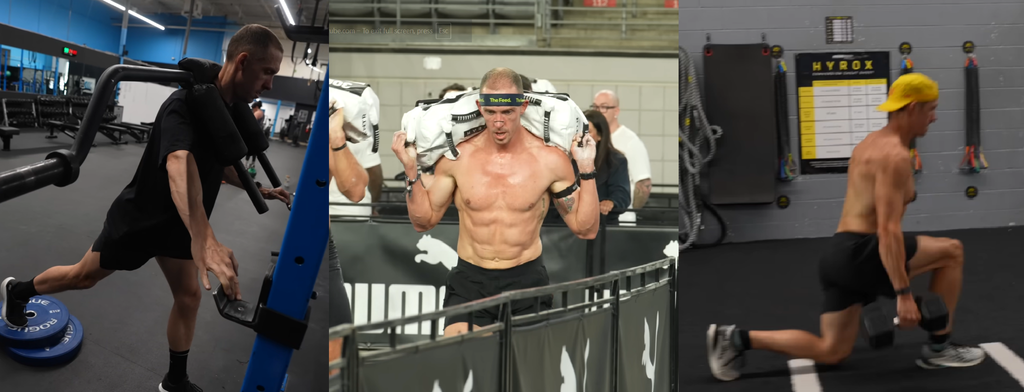


Over the past three years, I have spent a lot of time on planes. Working between the UK and the Middle East meant monthly travel, not to mention the additional trips for races, events and making time to see friends and family outside of the UK.
Training on the road isn’t always easy. Jet lag, unfamiliar conditions, and endless searches for decent gyms or running routes can make consistency a challenge. But I’ve never seen travel as a reason to stop training- if anything, it’s an opportunity to explore new places and mix things up.


Rather than listing tips on how to train while travelling (I’ll save that for another article), I thought it would be more interesting to share what a few days of training abroad actually looked like this year when I was out in the mountains.
The Mountains in Winter
For anyone that knows me, I spend a lot of time in Switzerland. It’s an hour flight from London, has some of the best skiing and some of my closest friends. Unlike other locations I travel to from work, I feel pretty at home there and find myself there a few times a year. It’s also a place that has a ton of outdoor activities from skiing in the winter to hiking and tennis in the summer.
In the countries I ended up doing more activity on top of my usual training plan, there are some things that I have to think a little harder about, from timing to nutrition. For today’s article, we are going to go through what four days of training looks like when I’m out and skiing.
Day One
We arrived late the night before in Klosters-Davos. I’ve been here before for hiking, so I already know a few running routes. I warned my coach in advance, framing the trip as “basically training under fatigue”. I’m not not entirely convinced he bought it, but it’s one of the few times each year I get four days with my dad, so we will make it work.
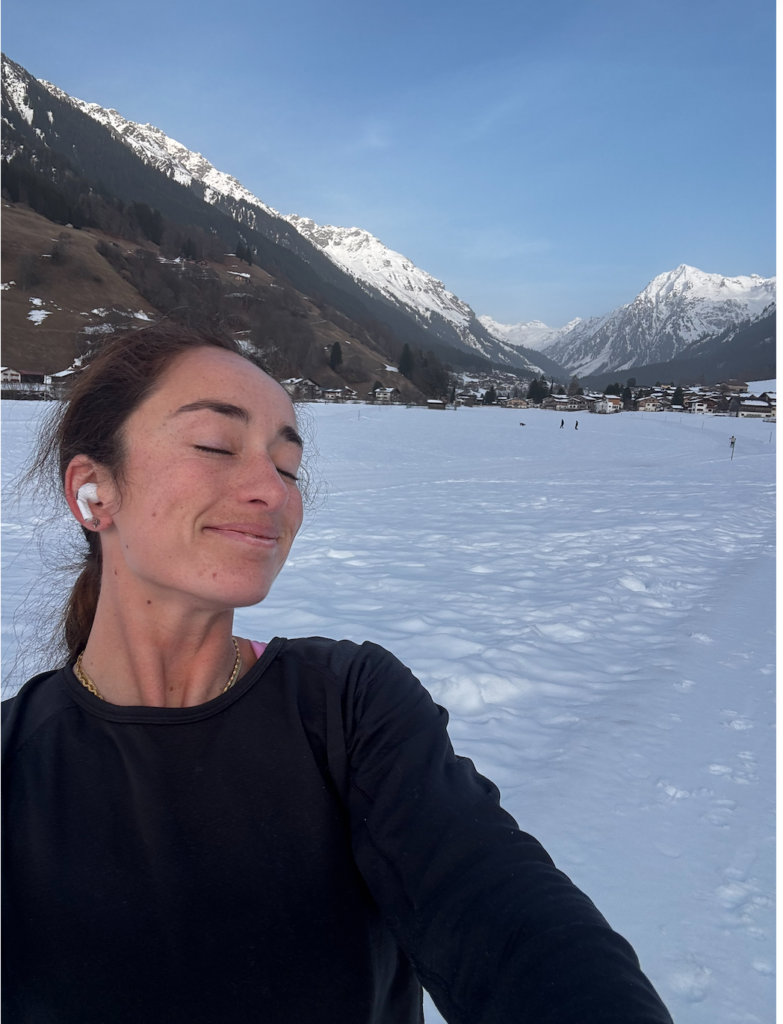
My dad loves being first on the lifts, but I, on the other hand, need to sleep. I wake around 7am and head out for an easy run before we ski. Today’s running route is along a Nordic ski track, packed snow underfoot. I wear my On Running trail shoes for this, but optimistically chose shorts and end up knee-deep in snow. I hold roughly 4:40/km over 11km, though the altitude and terrain make it feel harder than it should.
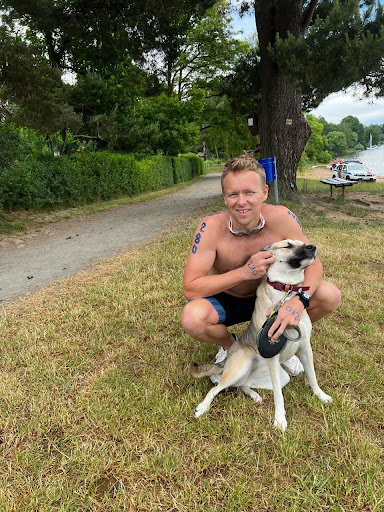
After a quick shower and breakfast, we’re on the slopes by 9:30am, skiing through to 4pm. I’d say I’m a solid skier, but with a race coming up, I play it safe and avoid anything too risky.
By the time we’re back, I’m exhausted and starving- immediately demolishing a family sized bag of salted cashews. I get some work done before dinner while my dad heads out for a walk. We have dinner at another hotel, a couple of glasses of wine, and I crash in bed before 11.
Day Two
I start the day in the gym before skiing. It’s missing half the equipment I’d normally use, so I improvise, but still manage a decent session. A lot of my workouts when I am away end up being mutated versions of what was originally set, so I know all the alternative movements for what I am set. My legs are heavy from yesterday, but it’s done within the hour.
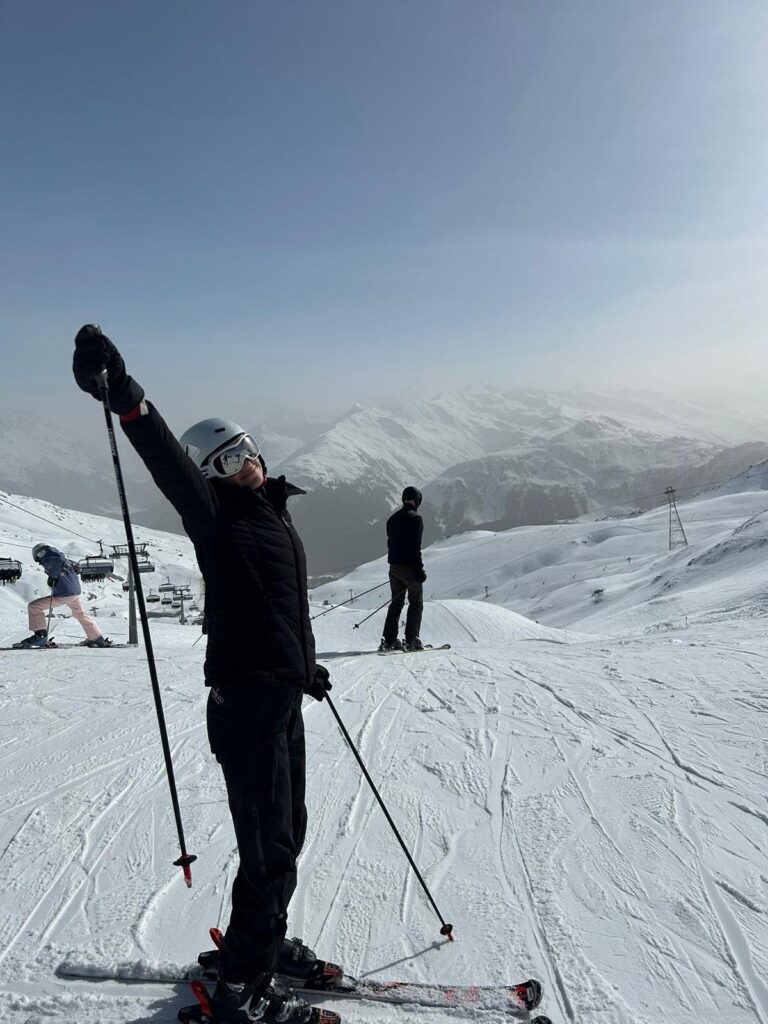
Another full day on the slopes. Carrying skis to the lift still feels harder than the skiing itself. I’ve found a coffee spot near the lift and use it as an excuse for an extra break. My dad doesn’t drink coffee but realises I won’t ski until I’m fully caffeinated so surrenders.
Conditions are perfect: clear skies, sunshine- and I spend most of the day trying to keep up with my dad. He’s stronger on smoother runs; I prefer more technical terrain where I can use my legs more. We finish around 3pm so I can jump on a few calls while my dad falls asleep in the background. I’m praying that no one hears his snores on the other side of the call.
Later, he agrees to join my warm-up, not realising it involves running straight up a mountain for a mile and back down. Somehow, he manages it without stopping and I remain in awe that aged sixty, after reconstructive ankle surgery he still has such an engine. After that, I head out solo for a 10km tempo. At altitude and wild elevation that looks closer to 4:00/km effort than my usual 3.40/km. I finally find a clear path and finish drenched.
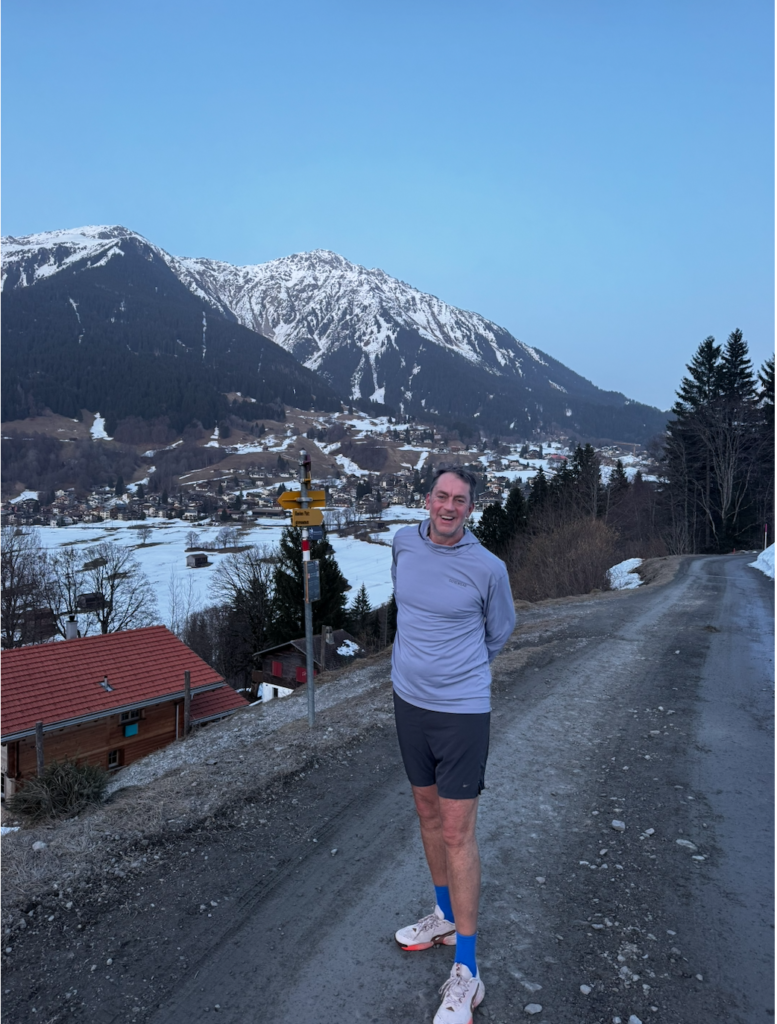
Dinner is pizza, and we easily eat enough for two each. Skiing creates a level of hunger nothing else comes close to.
Day Three
Last day on the slopes and I wake up after eight and a half hours of sleep. I don’t know if anyone else has this but alpine air helps me sleep so much better. I start with an easy 30-minute spin before we head out early as we need to finish in time to get back to Zurich.
Something always shifts on the final day. Knowing it’s the last one for a while, I ski more freely, faster, more confidently. It happens every year, and still surprises me how much better I feel compared to day one.
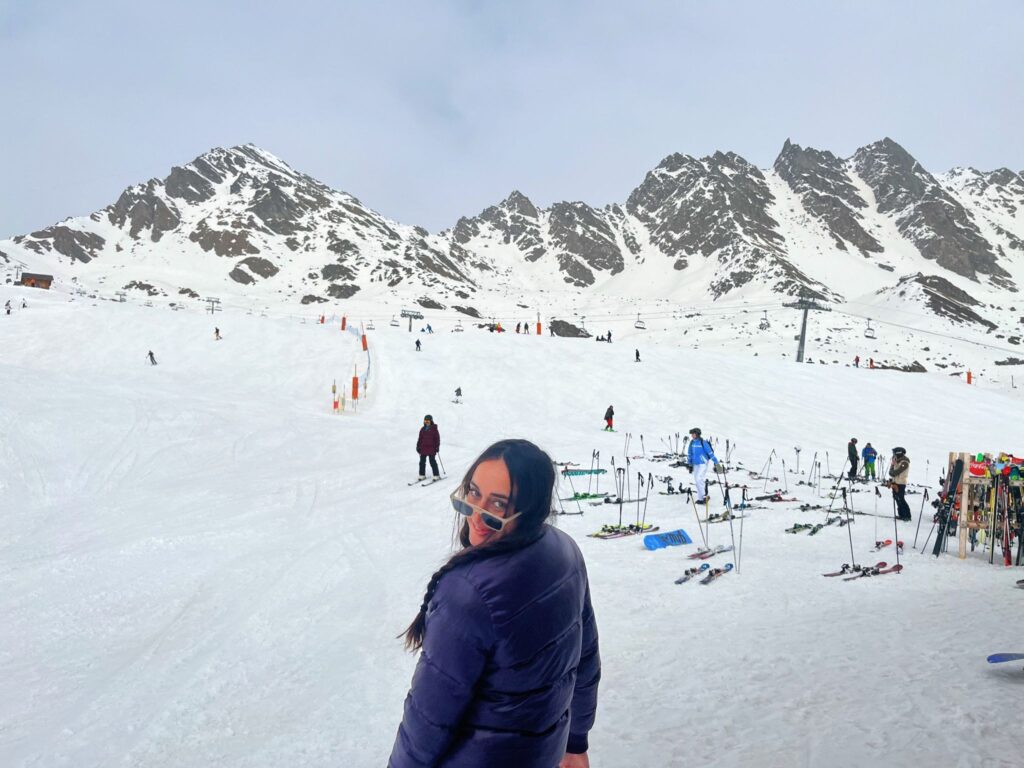
We leave the slopes around 2:30pm, after the usual stops for coffee, water, and snacks, and head to the train station. I tell myself I’ll work on the train, but end up finishing my book on the history of Afganistan instead.
Before flying home, I meet a close friend in Zurich. Normally I’d fit in a run by the lake, but this time it’s just a quick glass of wine, a catch-up, and then straight to the airport.
Learn more from Sophia: Injuries are Opportunities