


Building strong, visible abdominal muscles is one of the most common fitness goals. However, many beginners waste time on ineffective routines or misunderstand how abs actually develop. The truth is that visible abs are the result of a combination of muscle development, fat loss, and consistent habits grounded in science.
This guide breaks down the five most effective, research-backed strategies to help beginners build stronger and more defined abs.


Understanding How Abs Are Built
Before diving into the tips, it is important to understand what you are trying to build. The abdominal region consists of several muscles:
- Rectus abdominis, responsible for the visible six pack
- Transverse abdominis, which stabilizes the core
- Internal and external obliques, which assist in rotation and side bending
Developing abs requires two things:
- Increasing muscle thickness through resistance training
- Reducing body fat to reveal those muscles
Spot reduction is not possible. You cannot burn fat only from your stomach through ab exercises. Fat loss occurs systemically across the body.
Tip 1: Prioritize Progressive Overload for Core Training
Why It Matters
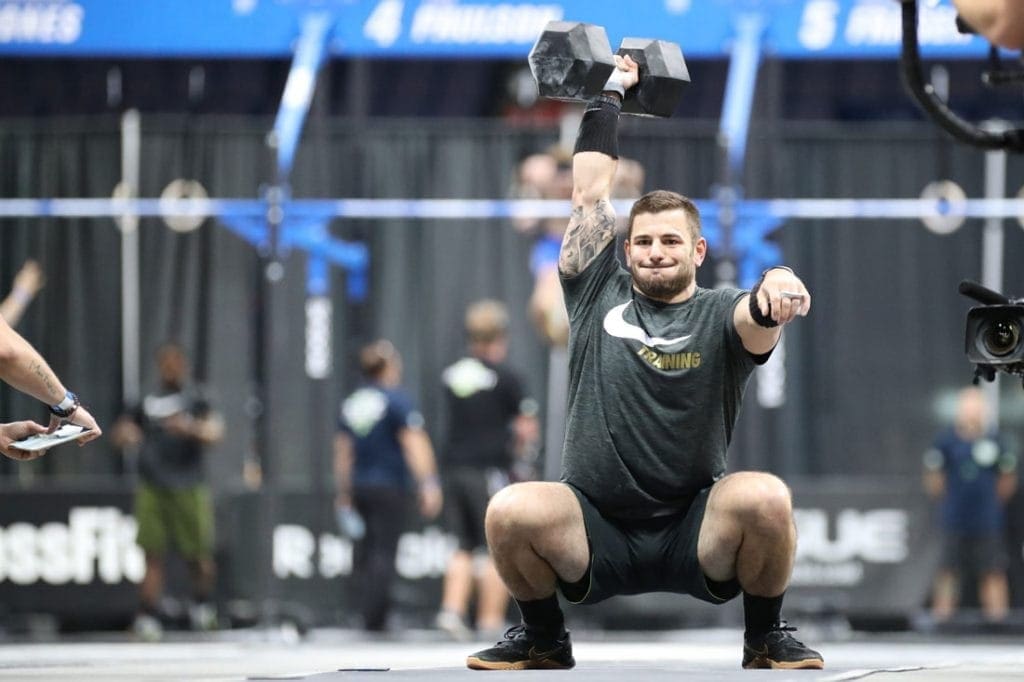
Many beginners rely on high repetition crunches or sit ups. While these exercises can build endurance, they are not the most efficient way to grow muscle. Muscle growth, also known as hypertrophy, requires progressive overload. This means gradually increasing the demand placed on muscles over time.
Research shows that muscles respond to increasing resistance by growing larger and stronger. This principle applies to the abs just as it does to any other muscle group.
How to Apply It
Instead of only doing bodyweight crunches, focus on exercises that allow progression:
- Weighted cable crunches
- Hanging leg raises
- Ab wheel rollouts
- Decline sit ups with added weight
Aim to increase either resistance, repetitions, or control over time.
Training Guidelines
- Train abs 2 to 4 times per week
- Perform 3 to 4 sets per exercise
- Use a rep range of 8 to 15 for hypertrophy
- Focus on slow and controlled movement
Common Mistake
Doing hundreds of repetitions with no resistance. This builds endurance but limits muscle growth.
Tip 2: Reduce Body Fat Through a Sustainable Calorie Deficit
Why It Matters
Even well developed abs will not be visible if they are covered by body fat. Studies show that abdominal definition typically becomes visible at lower body fat levels, though this varies by individual. Fat loss requires a calorie deficit, meaning you consume fewer calories than you burn.
The Science Behind Fat Loss
When in a calorie deficit, the body mobilizes stored fat for energy. This process is well established in metabolic research. Consistent energy imbalance leads to gradual fat loss across the body, including the abdominal region.
How to Apply It
- Track your calorie intake to create a moderate deficit
- Aim for a deficit of around 300 to 500 calories per day
- Combine diet with resistance training and cardio
Nutrition Guidelines
Focus on:
- High protein intake to preserve muscle mass
- Whole foods such as lean meats, vegetables, fruits, and whole grains
- Adequate fiber to support satiety
Common Mistake
Extreme dieting. Rapid weight loss often leads to muscle loss and poor adherence.
Tip 3: Train the Core as a Functional System
Why It Matters
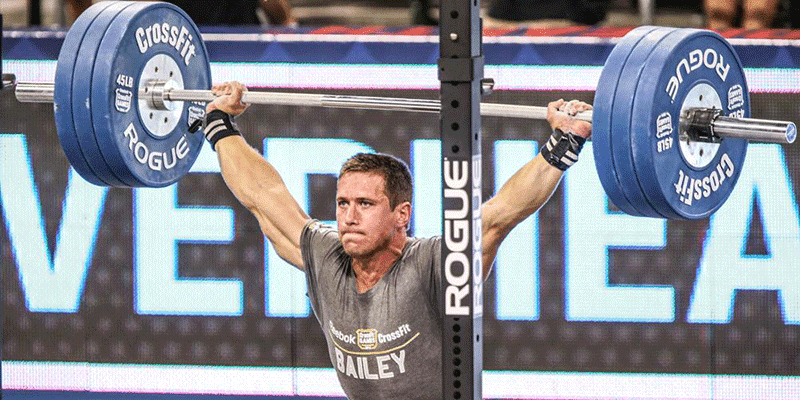
The core is not just for aesthetics. It plays a key role in stability, posture, and force transfer. Functional core training improves strength and enhances overall performance. Research shows that exercises involving stabilization and anti movement are highly effective for core activation.
Types of Core Movements
Include a variety of movement patterns:
- Anti extension such as planks
- Anti rotation such as Pallof presses
- Rotation such as Russian twists
- Flexion such as crunches
Example Routine
A balanced beginner core session could include:
- Hanging knee raises
- Plank holds
- Cable woodchoppers
- Ab wheel rollouts
Why Variety Matters
Different exercises target different muscles within the core. Combining them leads to better overall development.
Common Mistake
Only training one movement pattern, usually flexion through crunches.
Tip 4: Optimize Protein Intake for Muscle Growth
Why It Matters
Protein is essential for muscle repair and growth. Without sufficient protein, your body cannot effectively build new muscle tissue. Scientific evidence consistently shows that higher protein intake supports hypertrophy, especially during resistance training.
Recommended Intake
Beginners should aim for:
- Around 1.6 to 2.2 grams of protein per kilogram of body weight per day
This range has been shown to maximize muscle growth.
Practical Sources
- Lean meats such as chicken and turkey
- Fish
- Eggs
- Dairy products
- Plant based sources such as beans and tofu
Timing Considerations
Distributing protein intake evenly throughout the day improves muscle protein synthesis.
Common Mistake
Underestimating protein intake, especially when dieting.
Tip 5: Be Consistent and Patient
Why It Matters
Building visible abs takes time. There is no shortcut. Research on training adaptations shows that consistent effort over months leads to measurable changes in muscle size and body composition.
Realistic Expectations
- Beginners may start seeing improvements in strength within weeks
- Visible changes in muscle definition typically take several months
- Fat loss rates should be gradual for sustainability
Habit Building
Focus on:
- Regular training schedule
- Consistent nutrition habits
- Adequate sleep
Sleep is particularly important. Poor sleep negatively impacts fat loss and muscle growth.
Common Mistake
Switching programs too often or quitting early due to lack of immediate results.
Additional Factors That Influence Ab Development
Genetics
Genetics influence fat distribution and muscle shape. Some individuals may find it easier to develop visible abs than others.
Stress Levels
Chronic stress increases cortisol levels, which can promote fat storage, particularly in the abdominal region.
Hydration
Proper hydration supports performance and overall metabolic function.
Sample Beginner Weekly Plan
Here is a simple structure to apply these principles:
Day 1
- Full body strength training
- Core exercises
Day 2
- Light cardio or rest
Day 3
- Strength training
- Core exercises
Day 4
- Cardio
Day 5
- Strength training
- Core exercises
Day 6
- Active recovery
Day 7
- Rest
Final Thoughts
Building better abs is not about doing endless crunches or chasing quick fixes. It requires a combination of resistance training, fat loss, proper nutrition, and consistency.
By applying progressive overload, maintaining a calorie deficit, training the core effectively, consuming enough protein, and staying consistent, beginners can build stronger and more defined abs over time.
This approach is grounded in scientific evidence and avoids the myths that often derail progress.
Key Takeaways
| Tip | What to Do | Why It Works |
|---|---|---|
| Progressive overload | Use weighted ab exercises and increase difficulty over time | Stimulates muscle growth |
| Calorie deficit | Eat fewer calories than you burn | Reduces body fat to reveal abs |
| Functional core training | Train stability and rotation movements | Improves overall core development |
| High protein intake | Eat 1.6 to 2.2 g per kg body weight | Supports muscle repair and growth |
| Consistency | Stick to training and nutrition long term | Drives sustainable results |
Bibliography
- Schoenfeld, B.J. (2010). The mechanisms of muscle hypertrophy and their application to resistance training. Journal of Strength and Conditioning Research, 24(10), pp.2857 to 2872.
- Hall, K.D. and Kahan, S. (2018). Maintenance of lost weight and long term management of obesity. Medical Clinics of North America, 102(1), pp.183 to 197.
- Morton, R.W., Murphy, K.T., McKellar, S.R., Schoenfeld, B.J., Henselmans, M., Helms, E., Aragon, A.A., Devries, M.C., Banfield, L., Krieger, J.W. and Phillips, S.M. (2018). A systematic review of protein supplementation on resistance training induced gains. British Journal of Sports Medicine, 52(6), pp.376 to 384.
- Behm, D.G., Drinkwater, E.J., Willardson, J.M. and Cowley, P.M. (2010). The use of instability to train the core musculature. Applied Physiology, Nutrition, and Metabolism, 35(1), pp.91 to 108.