


Consistency is the difference between people who see real results in the gym and those who constantly start over. It is not about finding the perfect workout or pushing yourself to extremes. It is about showing up often enough, for long enough, that your body has time to adapt.
Science is very clear on this. Strength, muscle growth, and endurance all improve through repeated exposure to training over time. Miss too many sessions, and progress slows or disappears. Stay consistent, even at a moderate level, and results compound. The challenge is not knowing what to do. Most people already understand the basics of training. The real challenge is sticking to it when motivation drops, life gets busy, or progress feels slow.


The good news is that consistency is not a personality trait. It is something you can build using simple, practical strategies. Below are ten evidence based hacks that make it easier to train regularly without relying on willpower alone.
Why Consistency Beats Intensity
Before getting into the hacks, it is worth understanding a simple truth. You do not need perfect workouts to make progress. You need regular ones.
Research shows that repeated, moderate training sessions lead to meaningful improvements in strength, cardiovascular fitness, and overall health. These adaptations depend on frequency and repetition more than occasional extreme effort.

Consistency also builds habits. When you repeat the same behavior in a stable context, it becomes more automatic over time. That means less mental effort, fewer excuses, and a much higher chance of sticking with it long term.
1. Make Starting as Easy as Possible
One of the biggest reasons people skip workouts is not the workout itself. It is everything that comes before it. Deciding what to do, packing a bag, getting dressed, traveling to the gym. Each step adds friction.
The more effort it takes to start, the easier it is to talk yourself out of it.

Simplify the process. Prepare your gym clothes in advance. Choose a gym that is easy to reach. Have a basic plan ready so you do not have to think when you arrive. Behavioral research shows that reducing the effort required to begin a task significantly increases the likelihood that it will happen. Small barriers matter more than most people realize.
A simple trick that works well is committing to just starting. Tell yourself you will train for five minutes. Once you are moving, motivation often follows. Action creates momentum.
2. Focus on What You Can Control
Many people approach training with outcome goals. They want to lose fat, gain muscle, or improve performance. These are valid goals, but they are not fully under your control.
Progress depends on many factors, including genetics, sleep, stress, and nutrition. When results are slow, motivation drops. A more effective approach is to focus on process goals. These are actions you can control directly, such as how often you train or whether you complete your planned sessions.
When your goal is to train three times per week, success becomes clear and measurable. Each completed session is a win. This creates a steady sense of progress, which helps maintain motivation. Over time, these repeated actions shape your identity. You stop thinking of yourself as someone trying to get fit and start seeing yourself as someone who trains regularly. That shift is powerful and makes consistency much easier.
3. Put Your Workouts in Your Schedule
If training is something you plan to do “when you have time,” it usually does not happen. Life fills in the gaps. Treat your workouts like appointments. Decide in advance exactly when you will train and stick to it as you would any other commitment.
Research on implementation intentions shows that specifying when and where you will perform a behavior greatly increases the chance that you follow through. It also helps to attach your workouts to something that already exists in your routine. For example, training right after work or immediately after waking up. This creates a predictable pattern that becomes easier to maintain over time.

When your training has a fixed place in your day, you remove the need to negotiate with yourself.
4. Keep Your Workouts Manageable
A common mistake is trying to do too much, especially at the start. Long, complicated workouts can feel overwhelming and are harder to sustain. You do not need to spend hours in the gym to make progress. Research shows that shorter, focused sessions can still produce significant improvements in strength and fitness.
Keeping workouts around 30 to 60 minutes makes them easier to fit into your schedule and less mentally demanding. The goal is not to do everything. It is to do enough, consistently. A simple program that you can stick to will always beat an optimal program that you abandon.
5. Track What You Do
Tracking your workouts is one of the most effective ways to stay consistent. It turns your training into something visible and measurable.
When you write down your sets, reps, and weights, you create a record of your effort. Over time, you can see clear signs of progress, even if they are small. Research on behavior change shows that self monitoring increases adherence. It keeps you engaged and aware of your actions.
It also provides a sense of accomplishment. Adding a little more weight, completing an extra rep, or simply showing up again builds confidence and reinforces the habit. Progress does not need to be dramatic. Small improvements add up.
6. Train at the Same Time Each Day
Consistency in timing helps build consistency in behavior. When you train at the same time each day, it becomes part of your routine rather than something you have to decide on.
Your body also adapts. Studies suggest that performance can improve when exercise is performed at consistent times, as your system becomes more prepared for the effort. More importantly, it reduces decision making. You no longer ask yourself when you should train. You already know. Fewer decisions mean fewer chances to skip.

7. Choose Training You Actually Enjoy
Enjoyment is often overlooked, but it plays a major role in consistency. If you dread your workouts, it is only a matter of time before you stop. Research shows that people are more likely to stick with exercise programs they find enjoyable. Even if a method is slightly less efficient, it is more effective in the long run if you can maintain it.
This does not mean every session will be fun. Training can be challenging. But overall, you should find some level of satisfaction in what you are doing. If you dislike your current approach, experiment. Try different styles of training, different environments, or different structures. The best program is the one you can repeat.
8. Use Other People to Your Advantage
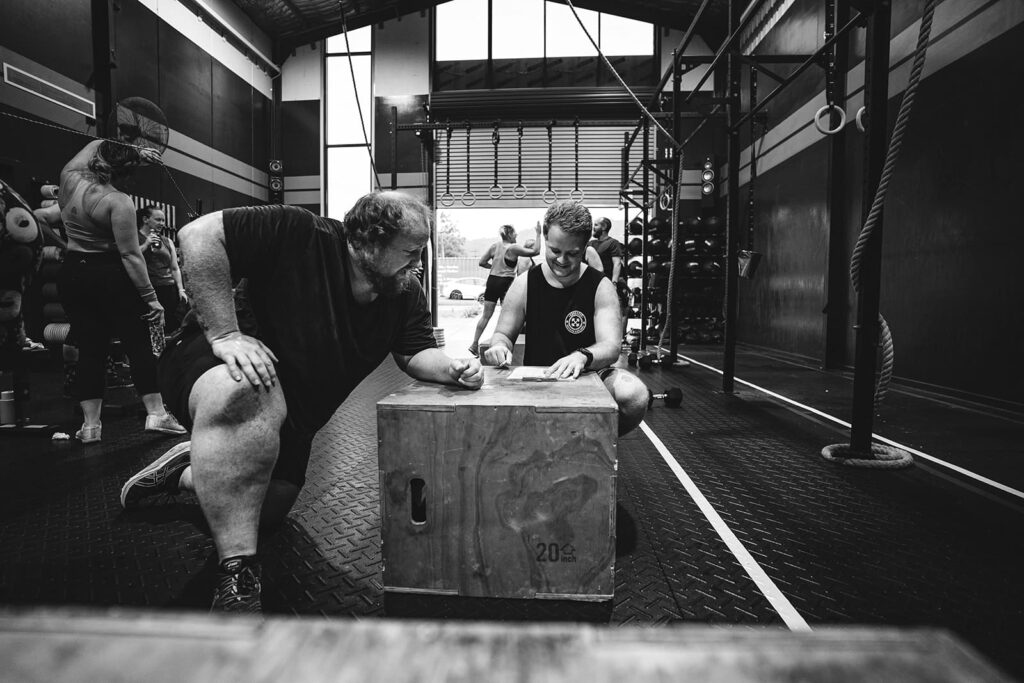
Humans are social by nature, and this can be a powerful tool for consistency. Training with others adds a layer of accountability that is hard to ignore. When someone expects you to show up, you are more likely to do it. It is no longer just about you.
Research shows that social support increases exercise adherence. It can also make training more enjoyable and less mentally taxing. If you prefer to train alone, you can still use accountability. Tell someone your plan. Share your progress. Knowing that others are aware of your goals can increase your commitment.
9. Plan for When Things Go Wrong
No routine is perfect. There will be days when you are tired, busy, or simply not in the mood. There will be weeks when your schedule changes or unexpected events occur. The key is not avoiding disruption. It is preparing for it.
Have a backup plan. If you cannot make it to the gym, what will you do instead? A short home workout is better than nothing. If you miss a session, when will you make it up? Research on behavior maintenance shows that having strategies for dealing with obstacles improves long term adherence.

It is also important to stay flexible in your mindset. Missing one workout does not undo your progress. What matters is how quickly you return to your routine. Consistency is built over time, not in a single week.
10. Take Recovery Seriously
Consistency is not just about training. It is also about being able to train again tomorrow. Fatigue, soreness, and lack of sleep can all reduce your motivation to work out. They also affect performance and increase the risk of injury.
Sleep is especially important. Research consistently shows that insufficient sleep negatively impacts physical performance, mood, and energy levels. If you are constantly exhausted, staying consistent becomes much harder.
Proper recovery allows you to maintain a steady rhythm. You feel better, perform better, and are more likely to keep going. Avoid the trap of doing too much. Sustainable training balances effort with recovery.
How Habits Make Everything Easier
At the core of all these strategies is habit formation. When a behavior becomes habitual, it requires less effort and less thought.
Habits form through repetition. Each time you perform a behavior in a consistent context, you strengthen the connection between the cue and the action. Over time, going to the gym stops feeling like a decision. It becomes something you just do.
Research suggests that this process can take weeks or even months, depending on the individual and the behavior. The key is persistence. The early phase requires more effort, but it gets easier as the habit develops.
Common Pitfalls That Break Consistency
Many people struggle not because they lack knowledge, but because they fall into predictable traps. Relying on motivation is one of the biggest mistakes. Motivation fluctuates. Some days you will feel driven, and others you will not. Systems and routines provide stability when motivation is low.
Another common issue is starting too aggressively. High intensity programs can be appealing, but they are harder to sustain. Gradual progression is more effective for long term adherence. Lack of structure also creates problems. Without a clear plan, it becomes easier to skip sessions or train inconsistently. Structure reduces uncertainty and makes action more straightforward.
Bringing It All Together
Staying consistent in the gym is not about discipline in the traditional sense. It is about designing your environment and your routine in a way that makes training the default option.
Lower the barrier to starting. Focus on actions you can control. Schedule your workouts. Keep them manageable. Track what you do. Build a routine. Choose something you enjoy. Use accountability. Plan for obstacles. Recover properly. None of these strategies are complicated. That is exactly why they work.
When you apply them together, consistency stops feeling like a struggle and starts feeling like a natural part of your life. And once consistency is in place, results follow.
Key Takeaways
| Strategy | Why It Matters | What to Do |
|---|---|---|
| Make starting easy | Reduces resistance to action | Prepare clothes and plan ahead |
| Focus on process | Keeps goals controllable | Track weekly sessions |
| Schedule workouts | Removes uncertainty | Set fixed training times |
| Keep sessions manageable | Improves adherence | Train 30 to 60 minutes |
| Track progress | Reinforces behavior | Log workouts regularly |
| Train at the same time | Builds routine | Pick a consistent hour |
| Choose enjoyable training | Increases long term adherence | Adjust style if needed |
| Use accountability | Strengthens commitment | Train with others or share goals |
| Plan for obstacles | Prevents drop off | Have backup workouts ready |
| Prioritize recovery | Maintains energy | Sleep and rest properly |
References
- Aarts, H., Paulussen, T. and Schaalma, H. (1997) ‘Physical exercise habit: on the conceptualization and formation of habitual health behaviours’, Health Education Research, 12(3), pp. 363 to 374.
- American College of Sports Medicine (2009) ‘Progression models in resistance training for healthy adults’, Medicine and Science in Sports and Exercise, 41(3), pp. 687 to 708.
- Deci, E.L. and Ryan, R.M. (2000) ‘The what and why of goal pursuits: human needs and the self determination of behavior’, Psychological Inquiry, 11(4), pp. 227 to 268.
- Gollwitzer, P.M. (1999) ‘Implementation intentions: strong effects of simple plans’, American Psychologist, 54(7), pp. 493 to 503.
- Kaushal, N. and Rhodes, R.E. (2015) ‘Exercise habit formation in new gym members: a longitudinal study’, Journal of Behavioral Medicine, 38(4), pp. 652 to 663.
- Kwasnicka, D., Dombrowski, S.U., White, M. and Sniehotta, F. (2016) ‘Theoretical explanations for maintenance of behaviour change: a systematic review’, Health Psychology Review, 10(3), pp. 277 to 296.