

If you are using cardio to lose fat, there is a strong chance you are making some of the biggest fat-loss cardio mistakes without even realizing it. In this video, Jeff Cavaliere will break down why the treadmill, elliptical, StairMaster, stationary bike, and even your fitness tracker may be giving you misleading calorie numbers.
If you rely on those estimates to justify eating more, you could unknowingly eliminate your calorie deficit and slow down your fat loss progress.


BEST and WORST Cardio Exercises for Fat Loss
The first cardio mistake people make for fat loss is relying on cardio as the primary way to create a calorie deficit. Cardio can absolutely support weight loss, but it should never be the foundation of your fat loss strategy. You cannot outrun poor nutrition. One high-calorie meal, snack, or portion mistake can quickly wipe out the calories burned during an hour of exercise. If you want sustainable fat loss, focus on improving your nutrition first and use cardio as a supplement to those efforts.
Another common mistake is trusting the calorie number displayed on cardio machines. Most machines estimate calories using METs, or metabolic equivalents, and many of those estimates are based on a standard body weight of around 154 pounds. If your weight differs from that assumption, the calorie estimate is already inaccurate. If the machine never asks for your body weight, the number it gives you should be viewed with skepticism.

People also overlook the fact that some machines include calories you would have burned anyway. Your resting energy expenditure refers to the calories your body burns simply existing and performing basic functions. So if a treadmill says you burned 420 calories, that may not mean 420 additional exercise calories. Part of that total may include calories you would have burned at rest, which can lead you to overestimate the actual impact of the workout.
Leaning on the machine is another major cardio mistake. Holding onto the treadmill rails, leaning heavily on the bike handles, hanging on the StairMaster, or supporting your weight with your arms all make the exercise easier. Less effort means less work performed and fewer calories burned. If fat loss is the goal, maintain good posture, minimize support from your arms, and let your body do the work.
Shortening your range of motion can also reduce the effectiveness of cardio. On machines like the StairMaster or stepmill, taking short, choppy steps limits the amount of work your hips and legs perform. The elliptical can also encourage a shortened movement pattern. Just like half reps in the gym are less effective than full reps, incomplete movements during cardio reduce the overall training effect and calorie expenditure.
Not all cardio machines are equally accurate. Stationary bikes are often among the better options, especially if they measure output in watts and allow you to enter your body weight. The StairMaster can also provide reasonably accurate estimates when used properly and without leaning. Treadmills may be inaccurate due to calibration issues, while ellipticals are typically among the least reliable machines for calorie estimates.
Even small errors in calorie tracking can add up over time. If you believe you burned 130 more calories than you actually did and consistently eat those calories back each day, you may completely erase your calorie deficit. Over weeks and months, that can be the difference between losing fat and gaining weight.
For more effective fat-loss cardio, prioritize machines that require greater total-body effort. The air bike, rowing machine, and ski erg are excellent choices because they engage both the upper and lower body while demanding real work output. They are more challenging, but that difficulty is exactly what increases calorie burn. The more muscle mass involved, the more work your body performs.
If you still prefer using your favorite cardio machine, choose one that allows you to input your body weight for a more personalized estimate. Then stop obsessing over the calorie display. A better way to judge intensity is by your breathing. If you can comfortably hold a conversation, the effort may be too low. If your breathing becomes noticeably challenged, you are likely working hard enough to create a stronger training effect.
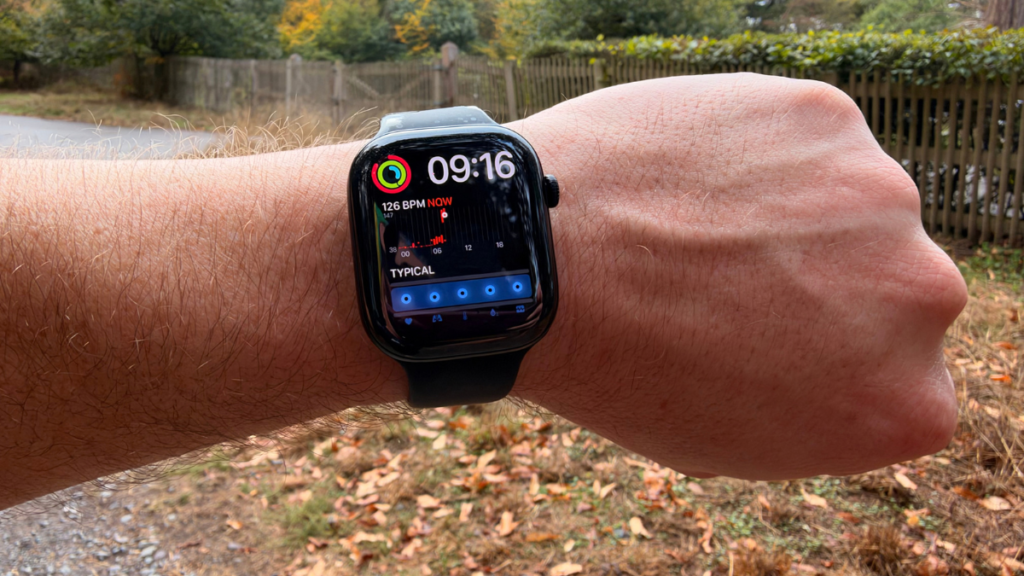
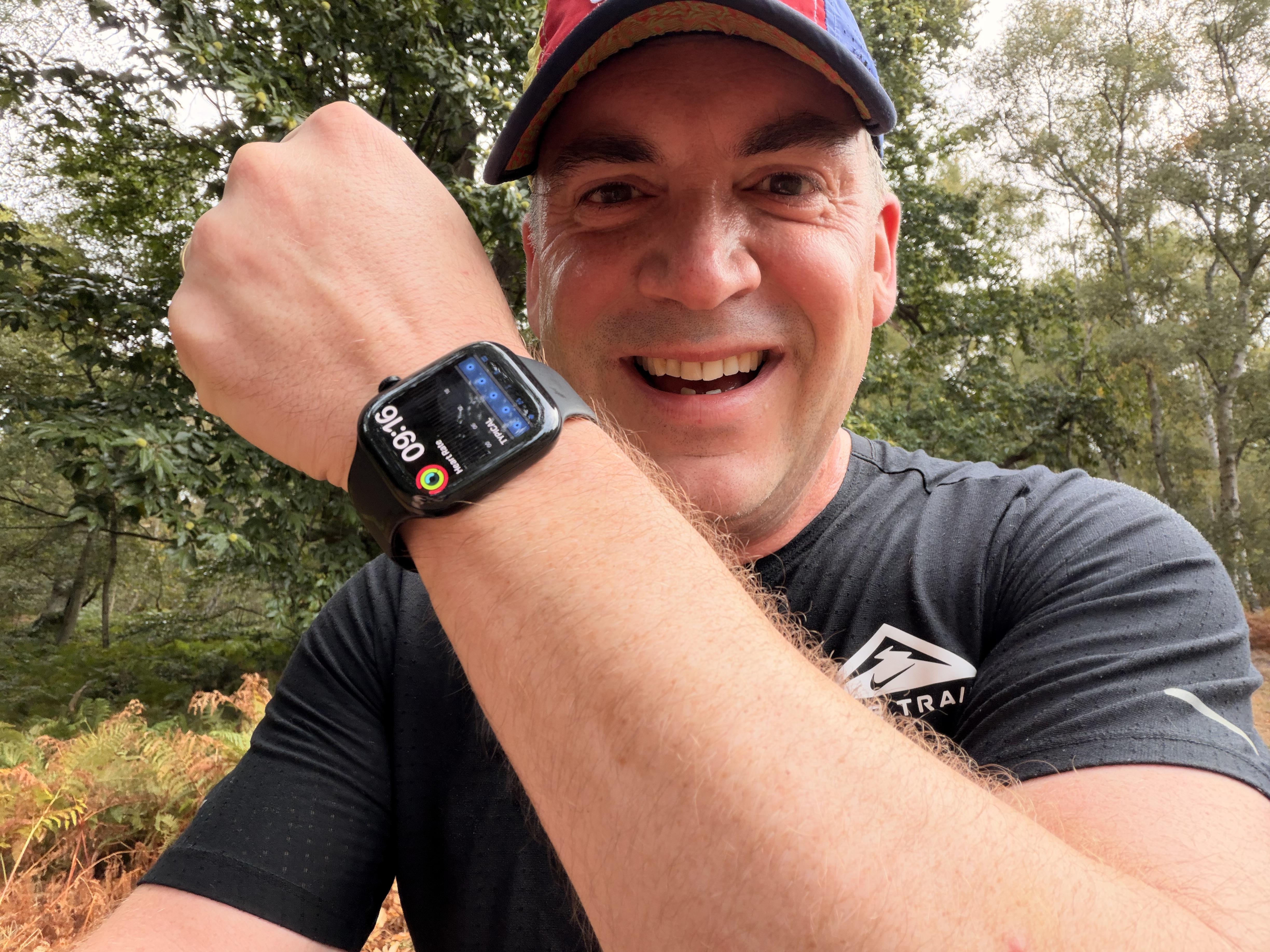
A practical rule of thumb is to take the calorie number shown on the machine and mentally cut it in half. Fitness watches are not a perfect solution either. Wearables can also be inaccurate, so it is better to use them for tracking trends and consistency rather than treating them as precise calorie calculators.
Learn More: 9 Things You Probably Don’t Realize About The Enhanced Games