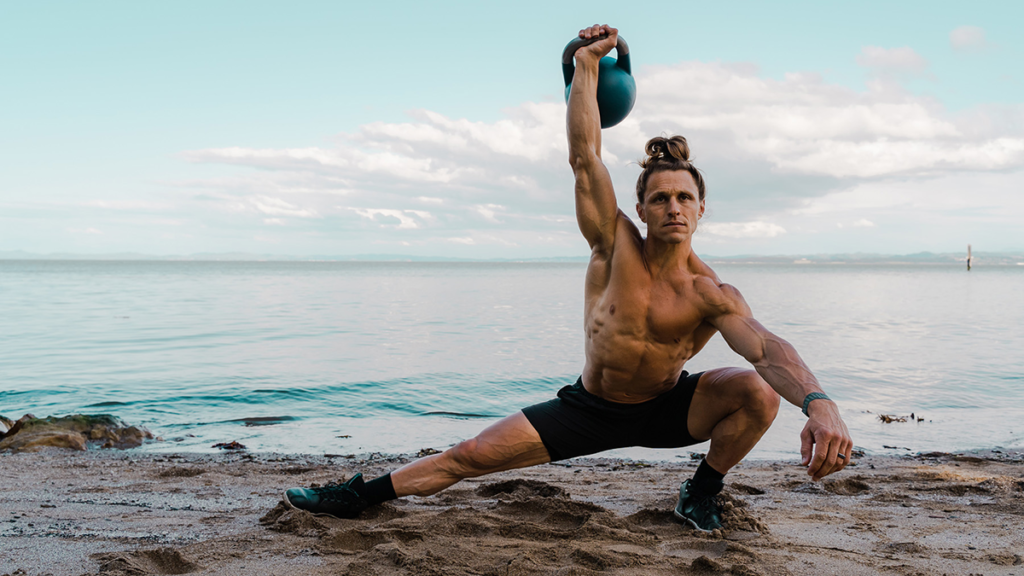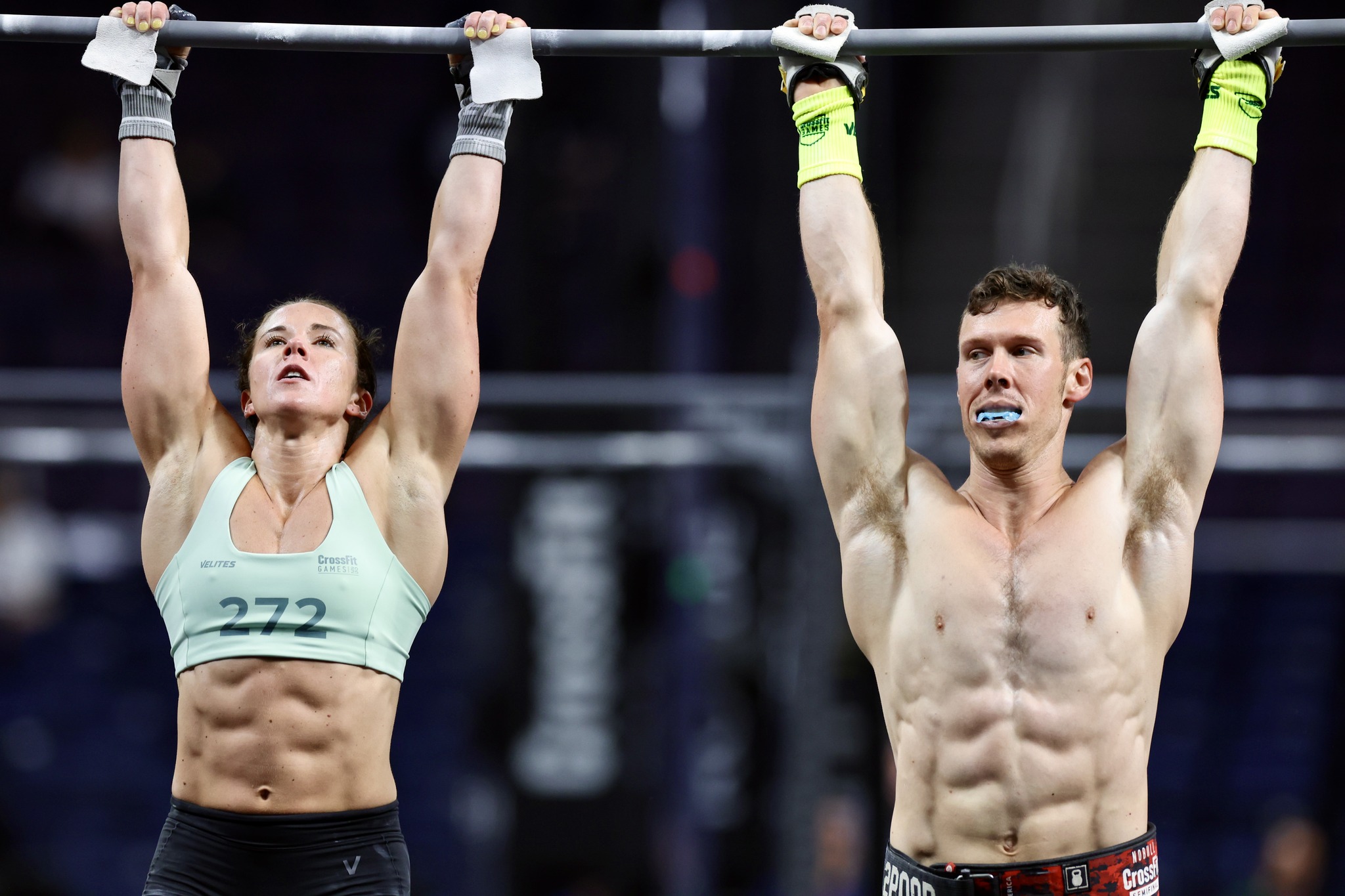


The dead hang looks almost too simple to matter. You grab a pull up bar, lift your feet off the ground, and hold yourself in place for as long as possible. There is no complicated technique, expensive equipment, or advanced programming involved. Yet this straightforward exercise tells you a surprising amount about your grip strength, shoulder health, muscular endurance, and even your overall physical function.
Over the past decade, grip strength has emerged as one of the most important indicators of health and longevity. Numerous scientific studies have linked stronger grip strength with lower risks of cardiovascular disease, disability, frailty, and premature mortality. While a dead hang is not exactly the same as a grip strength test, the two are closely connected because both rely heavily on the muscles of the hands and forearms.


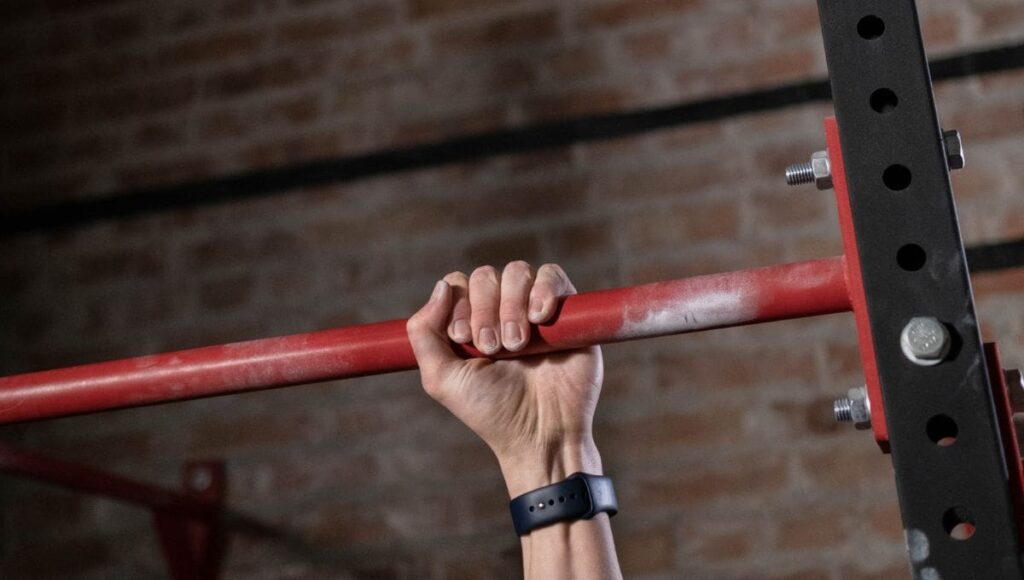
The dead hang also challenges the shoulders, upper back, and core while providing a gentle stretch through the spine. Athletes often use it to improve pull up performance, climbing ability, obstacle racing skills, and overall upper body resilience.
So how long should you actually be able to dead hang? The answer depends on your age, training experience, body weight, and sex. While there is no official worldwide standard, scientific research on grip strength, muscular endurance, and healthy aging provides useful benchmarks.
Why the Dead Hang Matters
The dead hang is much more than a grip exercise. When performed correctly, it requires sustained activation of the finger flexors, forearm muscles, rotator cuff, latissimus dorsi, trapezius, rhomboids, and core stabilizers. The shoulders must remain stable while supporting the body’s entire weight.
This combination makes the dead hang an excellent measure of functional upper body endurance.
Grip strength has become particularly important in scientific research because it predicts many health outcomes remarkably well. Large observational studies involving hundreds of thousands of participants have shown that lower grip strength is associated with increased risks of cardiovascular disease, hospitalization, mobility limitations, and early death.
How Many Sit Ups Should You Be Able to Do Based on Your Age?
Although hanging endurance depends on more than grip strength alone, individuals with stronger grip strength generally perform substantially better during dead hangs.
What Happens During a Dead Hang?
A dead hang primarily stresses three systems. The first is muscular endurance. The forearms must continuously contract to keep the fingers closed around the bar. As blood flow becomes restricted during sustained gripping, fatigue builds rapidly.
The second is shoulder stability. The rotator cuff and surrounding muscles work together to keep the shoulder joint centered while supporting your body weight. The third is nervous system endurance. Maintaining grip requires continuous communication between the brain and the muscles controlling the fingers and forearms.
Unlike explosive exercises, dead hangs depend on maintaining force production over time. This makes them an excellent test of endurance rather than maximal strength.
How Age Affects Hanging Ability
One of the biggest factors affecting dead hang performance is age. Beginning around the fourth decade of life, adults gradually lose muscle mass, grip strength, and tendon stiffness. This process, known as sarcopenia, accelerates if people remain physically inactive. Research consistently shows that grip strength peaks somewhere between the late twenties and early forties before gradually declining with age. However, this decline is not inevitable.
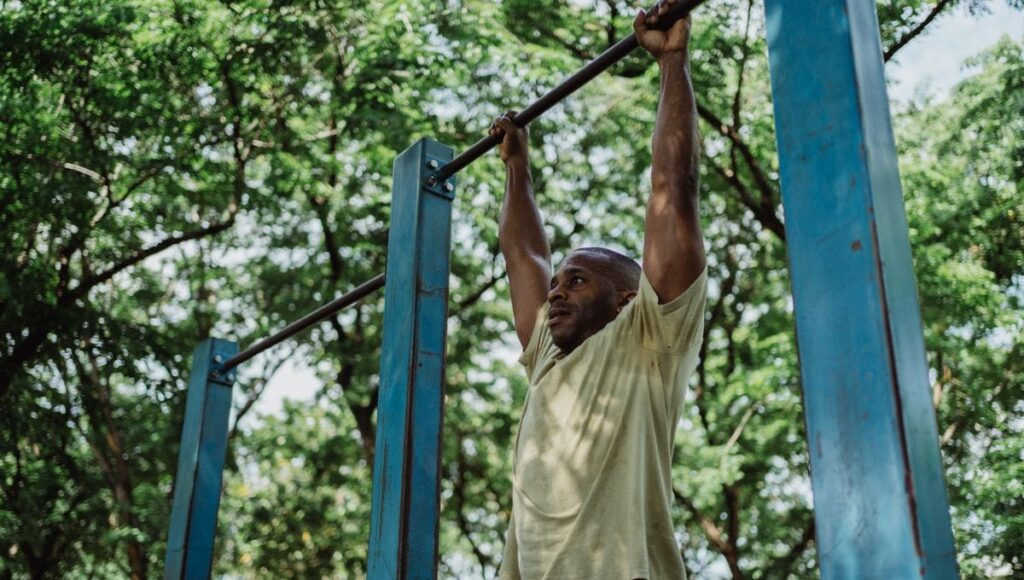
Resistance training, climbing, gymnastics, CrossFit, and regular hanging practice can dramatically slow age related losses. Many older athletes maintain grip endurance comparable to much younger individuals. That means age should influence expectations, but it should never be viewed as a limitation.
Dead Hang Standards by Age
The following ranges are practical performance targets based on research into grip strength, muscular endurance, healthy aging, and performance data from strength coaches.
Ages 18 to 29
- Excellent: Over 90 seconds
- Very Good: 60 to 90 seconds
- Average: 30 to 60 seconds
- Needs Improvement: Under 30 seconds
This age group generally possesses the greatest muscle mass and recovery capacity. Healthy adults who exercise regularly should aim to exceed one minute.
Competitive climbers, gymnasts, and advanced CrossFit athletes frequently exceed two or even three minutes.
Ages 30 to 39
- Excellent: Over 75 seconds
- Very Good: 50 to 75 seconds
- Average: 25 to 50 seconds
- Needs Improvement: Under 25 seconds
Minor declines in grip endurance may begin during this decade, although regular training often completely offsets these changes.
Ages 40 to 49
- Excellent: Over 60 seconds
- Very Good: 40 to 60 seconds
- Average: 20 to 40 seconds
- Needs Improvement: Under 20 seconds
Many people begin noticing reductions in recovery and muscle endurance during this stage of life. Consistent resistance training becomes increasingly important.
Ages 50 to 59
- Excellent: Over 50 seconds
- Very Good: 30 to 50 seconds
- Average: 15 to 30 seconds
- Needs Improvement: Under 15 seconds
Maintaining the ability to hang for at least 30 seconds represents excellent functional strength for most healthy adults in this age range.
Ages 60 to 69
- Excellent: Over 40 seconds
- Very Good: 25 to 40 seconds
- Average: 10 to 25 seconds
- Needs Improvement: Under 10 seconds
Many adults who continue resistance training throughout their lives comfortably exceed these numbers.
Ages 70 and Older
- Excellent: Over 30 seconds
- Very Good: 20 to 30 seconds
- Average: 8 to 20 seconds
- Needs Improvement: Under 8 seconds
Simply maintaining the ability to support your own body weight at this age reflects impressive upper body function.
Does Body Weight Matter?
Absolutely. Unlike grip dynamometer testing, the dead hang requires supporting your full body weight. Two people with identical grip strength may produce very different hanging times if one weighs substantially more.
This is why heavier individuals often find hanging more challenging despite being extremely strong. Conversely, lighter athletes, particularly climbers and gymnasts, frequently achieve exceptionally long hanging times because they produce high grip force relative to body weight. When comparing yourself with others, body weight should always be considered.
Men Versus Women
Men generally produce greater absolute grip strength due to larger forearm muscles and higher lean muscle mass. However, women often demonstrate impressive muscular endurance relative to their body size.
Research shows that while men typically outperform women in maximal grip strength tests, trained women frequently achieve excellent hanging performances. Rather than comparing across sexes, it is more useful to compare yourself against healthy individuals of similar age and body size.
Why Grip Strength Predicts Health
Scientists became interested in grip strength because it consistently predicts much more than hand strength.
Several major studies have shown that weaker grip strength is associated with increased risk of cardiovascular disease, stroke, hospitalization, disability, and mortality. One of the largest studies, the PURE study, followed more than 140,000 adults across multiple countries and found that grip strength predicted future health outcomes better than systolic blood pressure in some situations.
Grip strength likely reflects overall neuromuscular function, muscle quality, physical activity, nutritional status, and healthy aging. Although dead hangs are not used in clinical medicine, they offer an accessible way to challenge many of the same physical qualities.
Should Everyone Practice Dead Hangs?
For most healthy adults, the answer is yes. Dead hangs require minimal equipment, challenge multiple muscle groups simultaneously, and provide measurable progress over time. People with severe shoulder instability, recent surgery, or painful shoulder conditions should seek medical advice before performing prolonged hangs.
For everyone else, adding just a few minutes of hanging to weekly training can improve grip endurance, upper body resilience, and confidence. Perhaps most importantly, the dead hang provides a simple benchmark that almost anyone can track throughout life.
Watching your hanging time improve over months and years is more than just a fitness achievement. It reflects stronger muscles, healthier connective tissue, better endurance, and the kind of functional strength that supports everyday life.
Final Thoughts
The dead hang is one of the simplest fitness tests available, yet it reveals an impressive amount about your physical health.
While younger adults should generally aim for at least one minute, maintaining even 20 to 40 seconds in older age represents excellent functional capacity. Regular resistance training can dramatically slow the normal age related decline in grip strength, meaning your chronological age does not have to define your performance.
Rather than chasing arbitrary records, focus on gradual improvement. If you can hang a little longer today than you could six months ago, you are moving in the right direction. Strong hands often reflect a strong body, and the humble dead hang remains one of the easiest ways to measure that strength.
Dead Hang Performance by Age
| Age Group | Excellent | Very Good | Average | Needs Improvement |
|---|---|---|---|---|
| 18 to 29 | Over 90 sec | 60 to 90 sec | 30 to 60 sec | Under 30 sec |
| 30 to 39 | Over 75 sec | 50 to 75 sec | 25 to 50 sec | Under 25 sec |
| 40 to 49 | Over 60 sec | 40 to 60 sec | 20 to 40 sec | Under 20 sec |
| 50 to 59 | Over 50 sec | 30 to 50 sec | 15 to 30 sec | Under 15 sec |
| 60 to 69 | Over 40 sec | 25 to 40 sec | 10 to 25 sec | Under 10 sec |
| 70 and older | Over 30 sec | 20 to 30 sec | 8 to 20 sec | Under 8 sec |
Key Takeaways
| Topic | Key Takeaway |
|---|---|
| Health Marker | Dead hangs reflect grip endurance, shoulder stability, and upper body function. |
| Best Target for Young Adults | Healthy adults under 30 should aim to exceed 60 seconds, with over 90 seconds considered excellent. |
| Aging | Grip endurance gradually declines with age but resistance training can greatly slow this process. |
| Body Weight | Heavier individuals generally find hanging more difficult because they must support more mass. |
| Training Benefits | Regular hanging can improve grip strength, pull up performance, shoulder stability, and climbing ability. |
| Frequency | Practicing dead hangs two to three times per week is sufficient for most people to improve. |
| Long Term Goal | Focus on consistent improvement rather than comparing yourself with others. |
References
- Bohannon, R.W. (2019). Grip strength: An indispensable biomarker for older adults. Clinical Interventions in Aging, 14, pp.1681 to 1691.
- Celis Morales, C.A., Welsh, P., Lyall, D.M., Steell, L., Petermann, F., Anderson, J., Iliodromiti, S., Sillars, A., Graham, N., Mackay, D.F. and Pell, J.P. (2018). Associations of grip strength with cardiovascular, respiratory, and cancer outcomes and all cause mortality. BMJ, 361, k1651.
- Cruz Jentoft, A.J., Bahat, G., Bauer, J., Boirie, Y., Bruyère, O., Cederholm, T., Cooper, C., Landi, F., Rolland, Y., Sayer, A.A. and Schneider, S.M. (2019). Sarcopenia: Revised European consensus on definition and diagnosis. Age and Ageing, 48(1), pp.16 to 31.
- Dodds, R.M., Syddall, H.E., Cooper, R., Benzeval, M., Deary, I.J., Dennison, E.M., Der, G., Gale, C.R., Inskip, H.M., Jagger, C. and Kirkwood, T.B.L. (2014). Grip strength across the life course. PLoS ONE, 9(12), e113637.
- Ekstrom, R.A., Donatelli, R.A. and Soderberg, G.L. (2003). Surface electromyographic analysis of exercises for the trapezius and serratus anterior muscles. Journal of Orthopaedic and Sports Physical Therapy, 33(5), pp.247 to 258.
- Leong, D.P., Teo, K.K., Rangarajan, S., Lopez Jaramillo, P., Avezum, A., Orlandini, A., Seron, P., Ahmed, S.H., Rosengren, A., Kelishadi, R. and Rahman, O. (2015). Prognostic value of grip strength: Findings from the Prospective Urban Rural Epidemiology study. The Lancet, 386(9990), pp.266 to 273.
- Lopes, J., Machado, A.F., Micheletti, J.K., de Almeida, A.C., Cavina, A.P. and Pastre, C.M. (2019). Effects of training with hanging exercises on shoulder function and performance: A systematic review. Physical Therapy in Sport, 40, pp.1 to 9.
- Roberts, H.C., Denison, H.J., Martin, H.J., Patel, H.P., Syddall, H., Cooper, C. and Sayer, A.A. (2011). A review of the measurement of grip strength in clinical and epidemiological studies. Age and Ageing, 40(4), pp.423 to 429.
- Ruzbarsky, J.J., Beck, J.J., Baldwin, K.D. and Ganley, T.J. (2019). Overhead hanging and shoulder health in athletes. Current Reviews in Musculoskeletal Medicine, 12(4), pp.489 to 497.