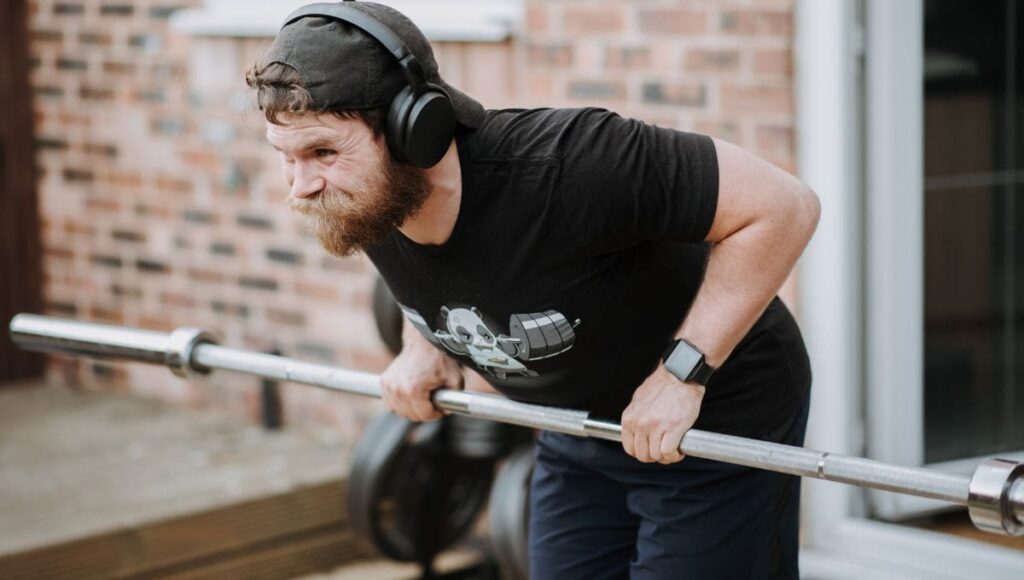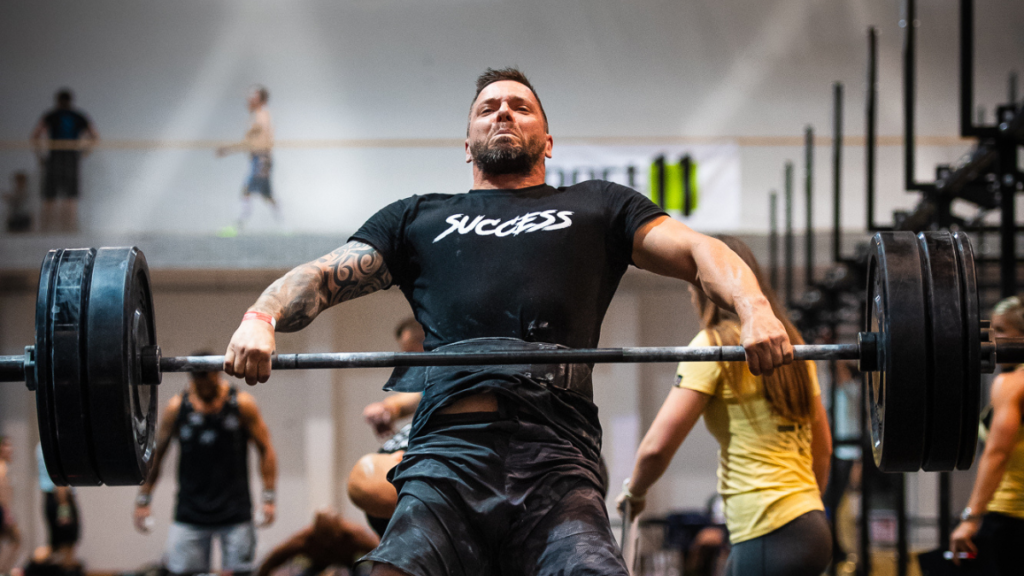


Strong, well shaped arms are about much more than appearance. They help you carry groceries, lift children, improve sports performance, and make everyday movements easier. Building lean, athletic arms also improves confidence because stronger muscles create better posture, greater stability, and a healthier physique.
Many beginners assume they need endless biceps curls to build attractive arms. In reality, the arms work as part of a much larger system. The best exercises train multiple muscles at once while allowing beginners to develop strength safely and efficiently. Compound movements recruit more muscle mass, burn more calories, and provide a stronger stimulus for muscle growth than isolation exercises alone.



Scientific research consistently shows that resistance training increases muscle size, strength, and functional performance in beginners. It also improves body composition by increasing lean muscle mass while helping preserve muscle during fat loss. Combined with proper nutrition, these effects create the lean and athletic appearance that many people want.
The following three exercises stand out because they are beginner friendly, highly effective, and supported by biomechanics and exercise science. They train the biceps, triceps, shoulders, chest, upper back, and core together, producing balanced arm development while improving overall athleticism.
Why Compound Exercises Build Better Looking Arms
Before looking at the exercises themselves, it helps to understand why they work so well.
Your upper arms consist mainly of the biceps on the front and the triceps on the back. Many people focus almost entirely on the biceps, yet the triceps actually make up the larger portion of the upper arm. Well developed triceps contribute significantly to arm size and shape.
Compound exercises train several joints and muscle groups simultaneously. This creates greater mechanical tension across more muscles, allowing beginners to gain strength quickly while stimulating muscle growth throughout the upper body.

Research has shown that beginners experience rapid improvements in strength during the first months of resistance training because of both neural adaptations and muscle growth. These early improvements make compound exercises especially valuable because every repetition teaches the body to coordinate movement more efficiently while building muscle.
Another benefit is training efficiency. Instead of spending an hour performing numerous isolation exercises, a few well selected compound movements provide nearly every stimulus required for stronger and more athletic arms.
Exercise 1: Push Ups
Push ups remain one of the most effective upper body exercises ever developed. They require no equipment, can be performed almost anywhere, and train nearly every muscle involved in building attractive arms.
Why Push Ups Work
Although push ups are commonly viewed as a chest exercise, they place substantial demands on the triceps and shoulders. The triceps straighten the elbows during every repetition, while the chest and shoulders generate pushing force. At the same time, the core muscles stabilize the body to maintain proper alignment.
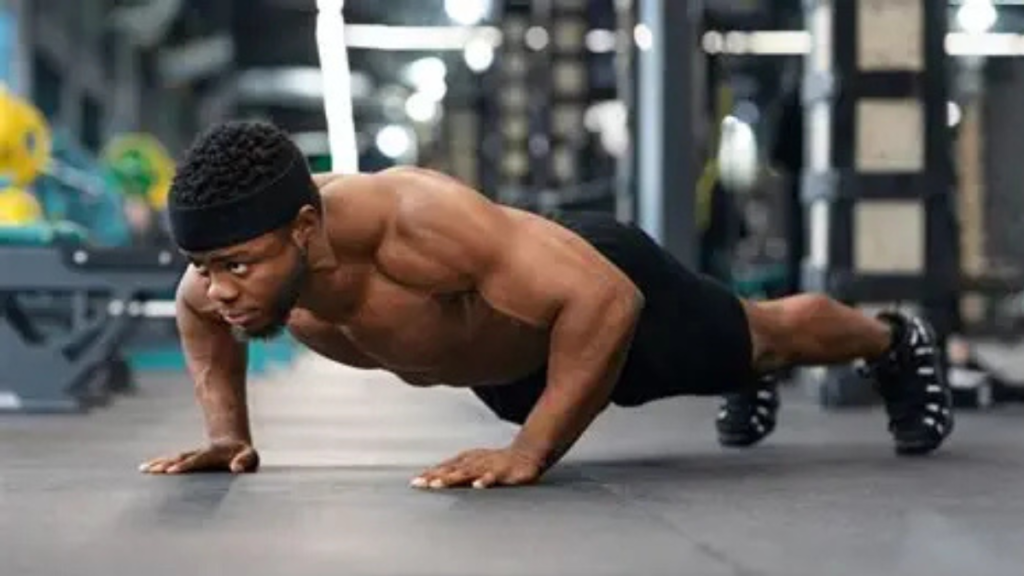
Electromyography studies demonstrate high levels of triceps activation during push ups, especially when the hands are positioned slightly closer together. This makes push ups an outstanding exercise for developing the back of the arms while strengthening the chest and shoulders.
Research comparing push ups with bench press has also shown similar improvements in muscle size and strength when resistance is appropriately matched. That means beginners without gym access can still build impressive upper body muscles using only their body weight.
How to Perform Push Ups Correctly
Start in a straight plank position with your hands slightly wider than shoulder width. Keep your shoulders down and away from your ears while engaging your abdominal muscles. Lower your body until your chest comes close to the floor while maintaining a straight line from your head to your heels. Press back up by driving through your palms and fully extending your elbows without locking them aggressively. Avoid letting your hips sag or rise too high because this reduces effectiveness and places unnecessary stress on the lower back.
If standard push ups are too difficult, begin with incline push ups using a sturdy bench, table, or countertop. As strength improves, gradually lower the height until floor push ups become comfortable.
Common Beginner Mistakes
Many beginners shorten the range of motion by lowering only halfway. A full range of motion increases muscle activation and produces better strength gains.
Another common mistake is flaring the elbows excessively. Keeping the elbows at roughly a forty five degree angle from the torso creates a more comfortable shoulder position while still allowing excellent muscle recruitment.
Exercise 2: Inverted Rows
Balanced arms require strong pulling muscles as well as pushing muscles. Inverted rows provide one of the safest and most effective pulling exercises for beginners.
This movement strengthens the biceps while also developing the upper back, rear shoulders, forearms, and grip strength. The result is better posture and more balanced upper body development.

Why Inverted Rows Build Athletic Arms
Many people underestimate how hard the biceps work during rowing exercises. Every repetition requires elbow flexion while the upper back pulls the body toward the bar or suspension trainer.
Strong upper back muscles also improve shoulder positioning. Better posture enhances the appearance of the arms by creating a broader upper body and allowing the shoulders to sit in a healthier position.
Research consistently demonstrates that rowing exercises activate the biceps alongside major back muscles such as the latissimus dorsi, rhomboids, and trapezius. This combination promotes functional strength while reducing muscular imbalances that can develop from excessive pushing exercises.
How to Perform Inverted Rows
- Set a barbell in a squat rack or use suspension straps positioned at about waist height.
- Lie underneath with your body straight and grasp the bar using an overhand grip slightly wider than shoulder width.
- Pull your chest toward the bar by driving your elbows back while squeezing your shoulder blades together.
- Lower yourself under control until your arms are fully extended before beginning the next repetition.
- The more horizontal your body becomes, the more challenging the exercise will be.
- Beginners can make the movement easier by standing more upright.
Common Beginner Mistakes
Avoid shrugging your shoulders during each pull because this reduces upper back engagement.
Many beginners also use momentum by swinging their hips. Slow, controlled repetitions create greater muscle tension and better long term results.
Exercise 3: Dumbbell Overhead Press
The overhead press develops shoulders that frame the arms beautifully while placing significant demand on the triceps. It also teaches whole body stability and coordination.
Unlike many isolation shoulder exercises, the overhead press strengthens muscles through a natural movement pattern that transfers well to sports and daily activities.

Why Overhead Presses Are So Effective
Every repetition requires the shoulders to lift the weight overhead while the triceps extend the elbows to complete the movement. The core muscles remain active throughout the exercise to stabilize the spine.
Research has shown that overhead pressing effectively recruits all three heads of the deltoid muscles while producing substantial triceps activation. Because the movement occurs overhead, it also improves shoulder stability and mobility when performed with good technique.
For beginners, dumbbells offer an additional advantage because each arm works independently. This helps correct strength differences while encouraging balanced muscle development.
How to Perform Dumbbell Overhead Presses
- Stand with your feet approximately shoulder width apart while holding a dumbbell in each hand at shoulder height.
- Brace your abdominal muscles and squeeze your glutes gently to stabilize your torso.
- Press both dumbbells upward until your arms are nearly straight overhead.
- Lower them slowly back to shoulder height while maintaining control throughout the movement.
- Keep your wrists neutral and avoid leaning backward excessively.
- Excessive arching shifts stress away from the shoulders and increases pressure on the lower back.
Common Beginner Mistakes
Using weights that are too heavy often causes poor technique. Start with lighter dumbbells and focus on smooth, controlled repetitions.
Another mistake is allowing the elbows to drift too far behind the body at the bottom of the movement. Keeping the elbows slightly in front of the shoulders creates a stronger and safer pressing position.
How Often Should Beginners Train?
Most beginners achieve excellent results by training two or three times each week. Research suggests that training each muscle group at least twice weekly provides an effective balance between muscle growth and recovery. Since these exercises involve multiple muscle groups, performing them within two or three full body workouts each week works extremely well.
A simple session could include three sets of each exercise performed with eight to twelve repetitions. Beginners should stop each set with one or two repetitions still possible while maintaining good technique.
3 Best Six Pack Bodyweight Exercises for Men Aged 30+ that Want Great Abs
As strength improves, increasing resistance gradually through heavier weights, more challenging body positions, or additional repetitions keeps progress moving forward.
Consistency Produces the Best Arms
There is no secret exercise that transforms the arms overnight. The most attractive arms are built through months of consistent training, gradual progression, and sound nutrition.
Push ups, inverted rows, and dumbbell overhead presses offer nearly everything beginners need. Together they strengthen the chest, shoulders, back, biceps, triceps, forearms, and core while teaching efficient movement patterns that support long term progress.
Instead of chasing complicated workout routines, beginners should master these foundational exercises first. They build strength, improve posture, increase muscle definition, and create the balanced upper body that most people associate with a lean and athletic physique.
With proper technique, progressive overload, adequate protein intake, and consistent effort, these three exercises can form the foundation of an effective arm training program for years to come.
Key Takeaways
| Topic | Key Point |
|---|---|
| Best pushing exercise | Push ups effectively develop the chest, shoulders, and triceps while improving core stability. |
| Best pulling exercise | Inverted rows strengthen the biceps, upper back, forearms, and posture. |
| Best overhead exercise | Dumbbell overhead presses build the shoulders and triceps while improving stability. |
| Training frequency | Train two to three times per week using progressive overload. |
| Repetition range | Aim for eight to twelve controlled repetitions for most sets. |
| Nutrition | Consume sufficient protein and support training with appropriate calorie intake. |
| Recovery | Sleep seven to nine hours each night to maximize muscle recovery and growth. |
| Long term success | Consistency with proper technique delivers better results than constantly changing exercises. |
References
- American College of Sports Medicine. (2009) ‘Progression Models in Resistance Training for Healthy Adults’, Medicine & Science in Sports & Exercise, 41(3), pp. 687 to 708.
- Gentil, P., Soares, S. and Bottaro, M. (2015) ‘Single versus Multi Joint Resistance Exercises: Effects on Muscle Strength and Hypertrophy’, Asian Journal of Sports Medicine, 6(2).
- Grgic, J., Schoenfeld, B.J., Orazem, J. and Sabol, F. (2020) ‘Effects of Resistance Training Performed to Repetition Failure or Non Failure on Muscular Strength and Hypertrophy’, Journal of Sport and Health Science, 10(5), pp. 522 to 531.
- Kikuchi, N. and Nakazato, K. (2017) ‘Low Load Bench Press and Push Up Induce Similar Muscle Hypertrophy and Strength Gain’, Journal of Exercise Science and Fitness, 15(1), pp. 37 to 42.
- Kraemer, W.J. and Ratamess, N.A. (2004) ‘Fundamentals of Resistance Training: Progression and Exercise Prescription’, Medicine & Science in Sports &Exercise, 36(4), pp. 674 to 688.
- Morton, R.W., Murphy, K.T., McKellar, S.R., Schoenfeld, B.J., Henselmans, M., Helms, E., Aragon, A.A., Devries, M.C., Banfield, L., Krieger, J.W. and Phillips, S.M. (2018) ‘A Systematic Review, Meta Analysis and Meta Regression of Protein Supplementation on Resistance Training Induced Gains in Muscle Mass and Strength in Healthy Adults’, British Journal of Sports Medicine, 52(6), pp. 376 to 384.