

Building bigger legs does not require a barbell, a leg press, or a machine packed with plates. Dumbbells and kettlebells can train the quads, hamstrings, glutes, calves, and adductors extremely well when you make smart exercise choices and train hard enough. The limitation is not the equipment. The limitation is usually whether the exercise creates enough tension, whether you take sets close enough to muscular failure, and whether you keep progressing over time.
This matters if you train at home, travel regularly, or simply want a lower body program that does not depend on a crowded gym. Research consistently shows that muscle growth can occur across a broad range of loads when training is sufficiently challenging. Heavier loads tend to produce greater improvements in maximum strength, but moderate and lighter loads can still build muscle when sets are performed with high effort. That is excellent news when the heaviest weight in your home gym is a pair of dumbbells or a few kettlebells.


The goal is not to make light weights feel difficult through random exhaustion. The goal is to use stable positions, a large range of motion, unilateral exercises, controlled repetitions, and enough weekly work to give each major leg muscle a clear reason to grow.
What Actually Makes Leg Muscles Grow
Muscle hypertrophy is primarily driven by repeated exposure to meaningful mechanical tension. In practical terms, your quads, glutes, and hamstrings need challenging repetitions that ask them to produce force while they are close to their current capacity. You do not need to use one specific rep range, but you do need the set to become genuinely hard. Ending every set while you could easily perform another ten repetitions is unlikely to be productive.
For dumbbell and kettlebell training, sets of roughly 6 to 30 repetitions can work well. When weights are heavy enough, lower repetitions make sense. When they are limited, higher repetitions become useful, provided the set approaches failure with clean technique. A useful target is to finish most hard sets with about one to three repetitions in reserve. In other words, you should feel that you could complete only one to three more technically sound repetitions if you had to.
Weekly volume also matters. More hard sets generally produce more muscle growth up to the point where recovery becomes limiting. You do not need a huge list of exercises. A focused plan that gives the quads, glutes, hamstrings, and calves several demanding sets each week is more effective than a different leg circuit every session. For most people, beginning with about eight to twelve hard sets per muscle group per week is a sensible starting point, then adjusting according to progress, soreness, performance, and recovery.
Make Limited Weight Feel Heavy
Use Unilateral Exercises
Single leg exercises are the most useful tool when dumbbells and kettlebells are not heavy enough for conventional bilateral squats. A split squat, lunge, step up, or single leg Romanian deadlift puts much more of the external load through one working leg. This immediately raises the challenge without requiring more equipment.
The Bulgarian split squat is especially valuable because the rear foot support lets you use a long range of motion while keeping most of the work on the front leg. Hold one or two dumbbells at your sides, or use a goblet hold with a kettlebell. Let the front knee travel forward naturally if it is comfortable, keep the whole front foot planted, and lower until you reach a deep position you can control. A more upright torso with a forward knee tends to emphasize the quads, while a slightly longer stance and modest forward torso lean shifts more work toward the glutes. Both versions can build substantial leg size.
Prioritize Range of Motion You Can Control
A deep, controlled repetition asks the working muscles to produce force over a larger portion of their usable range. Squat research has found that fuller ranges of motion can produce favorable hypertrophy outcomes compared with partial squatting. That does not mean every repetition must reach an identical depth regardless of mobility or pain. It means that, when your joints tolerate it, consistently training through a substantial range gives your legs more high quality work.
For goblet squats, elevate your heels on small, stable plates or a wedge if ankle mobility stops you from reaching a comfortable depth. The heel elevation can make it easier to keep the torso upright and allow the knees to travel forward. For reverse lunges and split squats, use a light touch on a wall or rack if balance is the factor preventing you from loading the exercise hard. Support is not cheating. It lets the target muscles become the limiting factor.
Use Tempo Only When It Serves a Purpose
Lowering under control makes the exercise safer to repeat and helps you own the bottom position. Aim for roughly two to three seconds on the descent rather than rushing it. A pause of one second near the bottom can remove momentum and make a modest weight much harder. However, extremely slow repetitions are not automatically better for growth. The objective is a stable, challenging set with enough repetitions close to failure, not an endurance contest created by moving at a painfully slow pace.
Add Repetitions Before Adding Complexity
Progressive overload means gradually asking your body to do more than it has adapted to. With free weights at home, this can mean adding a small amount of load, completing an extra repetition, improving range of motion, using a more demanding unilateral variation, or performing an additional hard set. Keep a training log. If you performed ten good repetitions with a 50 pound dumbbell last week, work toward eleven or twelve before increasing the load or changing the exercise.
The Best Dumbbell and Kettlebell Exercises for Huge Legs
Heel Elevated Goblet Squat
The heel elevated goblet squat is a simple quad builder that also trains the glutes and adductors. Holding the weight in front of your chest counterbalances the movement, which often makes a deep squat more accessible. Use one heavy dumbbell or kettlebell, keep your ribs stacked over your pelvis, and descend as low as you can without losing control of your foot pressure or lower back position.
Use three to five sets of 8 to 20 repetitions. If your available weight is too light, add a pause in the bottom position or use a slower descent. Once you can perform the top end of the range with excellent form, increase the load if possible or move to a unilateral exercise as your main quad lift.
Bulgarian Split Squat
This is the centerpiece of a dumbbell leg program. It challenges the quads and glutes through a long range while exposing differences between your legs. Start with your rear foot on a low bench or sturdy surface. Lower straight down with control, then drive through the front foot to stand. Do not force your back leg to contribute. It is there mainly for balance.
Perform three to four hard sets of 6 to 15 repetitions per leg. Rest long enough between sides and sets to maintain output. Two minutes is a good starting point for challenging work. If your grip fails before your legs, use lifting straps if you have them, use a single goblet hold, or choose a loading position that lets you train the legs properly.
Dumbbell Romanian Deadlift
The Romanian deadlift trains the hamstrings and glutes in a lengthened position. Hold the dumbbells or kettlebells close to your thighs, soften your knees, then push your hips backward while maintaining a neutral spine. Lower until you feel a strong hamstring stretch without losing back position, then drive the hips forward to stand tall.
3 Best Beginner Exercises for Wider and More Muscular Pecs
Use three to five sets of 6 to 15 repetitions. Avoid turning the movement into a squat by allowing the knees to bend excessively. At the same time, do not chase a deeper range by rounding your back. A deliberate descent and a brief pause in the stretched position can make this exercise far more demanding when loads are limited.
Front Foot Elevated Reverse Lunge
A front foot elevation increases the range of motion available at the working hip and knee. Step back under control, let the front knee bend naturally, and push the floor away with the front leg as you return to standing. Dumbbells held at your sides are usually the most comfortable setup.
This is an excellent option if Bulgarian split squats irritate your rear hip or if you prefer a movement with a slightly more athletic rhythm. Use three sets of 8 to 15 repetitions per leg. Make the lowering phase controlled, but keep the upward phase forceful.
Weighted Step Up
Step ups load the quads and glutes while demanding balance and control. Choose a stable box or bench that allows you to place the entire foot on the surface. Drive through the elevated leg and avoid aggressively pushing off the floor with the trailing leg. A lower box is not a failure. The best height is one that lets you control the descent and load the working leg hard.
Perform two to four sets of 8 to 15 repetitions per leg. Use a dumbbell in each hand, a single suitcase hold, or a goblet hold. If balance limits performance, lightly hold a stable support with one hand and load the other side. The exercise still works when you make it more stable.
Single Leg Romanian Deadlift
The single leg Romanian deadlift is a useful accessory movement for the hamstrings, glutes, and hip stabilizers. Reach the free leg behind you as the weight moves toward the floor, then stand by driving the working hip forward. Keep the hips as square as possible and do not allow the torso to twist open.
Use two to three sets of 10 to 20 repetitions per side. It is not always the best choice for your heaviest hamstring work because balance can limit loading, but it is a productive addition after bilateral Romanian deadlifts or in a minimalist program.
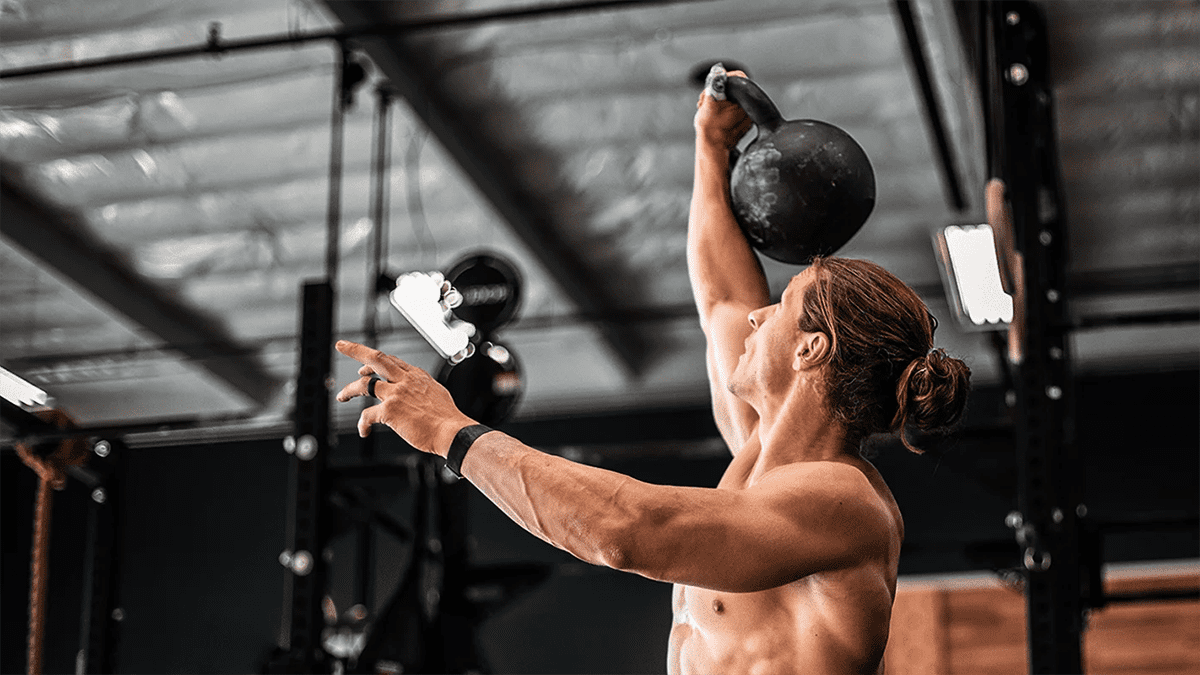
Kettlebell Swing
The kettlebell swing is a hip hinge, not a squat. It emphasizes rapid hip extension and can train the glutes and hamstrings while improving conditioning. Hinge back, keep the bell close to your body, then snap the hips forward so the bell floats upward. Your arms guide the bell rather than lifting it with the shoulders.

Swings are not a replacement for controlled strength work because the hamstrings and glutes are loaded differently and each set is usually limited by power or conditioning. They are still a useful finish to a leg session. Use three to five sets of 10 to 20 crisp repetitions, ending the set when speed or technique drops.
Standing Calf Raise
Calves often need direct work. Hold dumbbells at your sides, rise as high as possible onto the balls of your feet, pause briefly at the top, and lower into a full stretch. Performing calf raises from a step can increase the usable range of motion if you can do so safely.
Use three to six sets of 10 to 25 repetitions, two or more times each week. Straight knee calf raises place substantial emphasis on the gastrocnemius, while bent knee raises can place more emphasis on the soleus. Both muscles contribute to a fuller lower leg, so include both positions when possible.
A Simple Two Day Leg Plan
Train the following sessions on nonconsecutive days. Begin with one or two lighter warm up sets before the first exercise, then make the listed working sets challenging. The final repetitions should be difficult without becoming sloppy. Increase repetitions within the stated ranges before adding load, and reduce the number of sets temporarily if your performance falls or soreness affects your next session.
Day One: Quad and Glute Emphasis
Perform heel elevated goblet squats for four sets of 8 to 15 repetitions. Follow with Bulgarian split squats for three sets of 8 to 12 repetitions per leg. Complete weighted step ups for three sets of 10 to 15 repetitions per leg, then finish with standing calf raises for four sets of 12 to 25 repetitions. This session gives the quads plenty of work while still delivering a strong glute stimulus.
Day Two: Hamstring and Glute Emphasis
Perform dumbbell Romanian deadlifts for four sets of 8 to 15 repetitions. Follow with front foot elevated reverse lunges for three sets of 8 to 15 repetitions per leg. Complete single leg Romanian deadlifts for two sets of 12 to 20 repetitions per leg, then perform kettlebell swings for four sets of 12 to 20 repetitions. Finish with bent knee calf raises for four sets of 12 to 25 repetitions.
Recovery and Nutrition Turn Training Into Growth
Training provides the signal. Food and recovery help turn that signal into new tissue. Protein supplementation studies and position stands support a daily protein intake around 1.4 to 2.0 grams per kilogram of body mass for most people who train regularly. If gaining size is your priority, a small calorie surplus can make the process easier, although the appropriate surplus depends on your body composition goals and training status.
Spread protein across meals in a way you can sustain, eat enough carbohydrate to support hard training, and sleep consistently. The best program is one you can repeat for months while making measurable progress. Do not replace hard sets with endless novelty. Add reps, add load when available, improve your range of motion, and keep your technique honest.
The Bottom Line
You can build massive legs with only dumbbells and kettlebells. Use single leg exercises to make moderate loads demanding, train through a controlled range of motion, take most working sets close to failure, and accumulate enough high quality weekly volume for each muscle group. Combine squat patterns for the quads and glutes, hinge patterns for the hamstrings and glutes, and direct calf work for complete lower leg development.
Your equipment does not need to be perfect. Your training needs to be progressive. If you can make a goblet squat deeper, perform another clean split squat repetition, or use a heavier dumbbell while keeping the same control, your legs have a reason to adapt.
References
- American College of Sports Medicine, 2009. American College of Sports Medicine position stand. Progression models in resistance training for healthy adults. Medicine and Science in Sports and Exercise, 41(3), pp. 687 to 708.
- Grgic, J., Schoenfeld, B.J., Davies, T.B., Lazinica, B., Krieger, J.W. and Pedisic, Z., 2018. Effect of resistance training frequency on gains in muscular strength: A systematic review and meta analysis. Sports Medicine, 48(5), pp. 1207 to 1220.
- Lasevicius, T., Ugrinowitsch, C., Schoenfeld, B.J., Roschel, H., Tavares, L.D., De Souza, E.O., Laurentino, G. and Tricoli, V., 2018. Effects of different intensities of resistance training with equated volume load on muscle strength and hypertrophy. European Journal of Sport Science, 18(6), pp. 772 to 780.
- Morton, R.W., Murphy, K.T., McKellar, S.R., Schoenfeld, B.J., Henselmans, M., Helms, E., Aragon, A.A., Devries, M.C., Banfield, L., Krieger, J.W. and Phillips, S.M., 2018. A systematic review, meta analysis and meta regression of the effect of protein supplementation on resistance training induced gains in muscle mass and strength in healthy adults. British Journal of Sports Medicine, 52(6), pp. 376 to 384.
- Schoenfeld, B.J., Ogborn, D. and Krieger, J.W., 2017. Dose response relationship between weekly resistance training volume and increases in muscle mass: A systematic review and meta analysis. Journal of Sports Sciences, 35(11), pp. 1073 to 1082.
- Schoenfeld, B.J., Grgic, J., Ogborn, D. and Krieger, J.W., 2017. Strength and hypertrophy adaptations between low versus high load resistance training: A systematic review and meta analysis. Journal of Strength and Conditioning Research, 31(12), pp. 3508 to 3523.
- Schoenfeld, B.J., Ratamess, N.A., Peterson, M.D., Contreras, B., Tiryaki Sonmez, G. and Alvar, B.A., 2015. Effects of different volume equated resistance training loading strategies on muscular adaptations in well trained men. Journal of Strength and Conditioning Research, 29(10), pp. 2909 to 2918.
- Wernbom, M., Augustsson, J. and Thomee, R., 2007. The influence of frequency, intensity, volume and mode of strength training on whole muscle cross sectional area in humans. Sports Medicine, 37(3), pp. 225 to 264.
Key Takeaways
| Principle | What to do | Why it matters |
|---|---|---|
| Make loads challenging | Finish most hard sets with roughly one to three repetitions in reserve | Moderate loads can support hypertrophy when effort is high |
| Use one leg at a time | Make split squats, lunges, and step ups central exercises | Unilateral work makes limited dumbbell and kettlebell loads far more demanding |
| Train deeply with control | Use the largest comfortable range of motion | A substantial range gives the target muscles more useful work |
| Progress deliberately | Add repetitions, load, range, or a hard set over time | Muscles need an increasing reason to adapt |
| Cover every major pattern | Squat, hinge, unilateral work, and calves | This develops quads, glutes, hamstrings, and lower legs more completely |