

What you put inside your body is as important as working out daily, so BOXROX developed this beginner’s guide to eating healthier. It is a simple “change this for that” list which you should keep in mind next time you go grocery shopping.
Working out every day might not get you the body you desire if what you are eating won’t help burn the extra fat or help grow muscles (depending on your goal). A balanced eating habit will accomplish that.


If you do not want to count your calories, or if you are a bit lost about calculating your macros, then you found the right place. Keep reading and understand how to make simple changes to what you buy at the supermarket that can turn you into a healthier version of yourself.
This guide to eating healthier is a list with 7 of the most common products people eat/drink worldwide and also what to replace them with in order to change your eating habits for the better (again, depending on your goals).
Disclaimer: this article is intended for information purposes only. Consult your doctor before making big changes to your normal diet and do not change your calorie or nutrients intake solely based on this article.
1 – White Rice
Why should you change it?
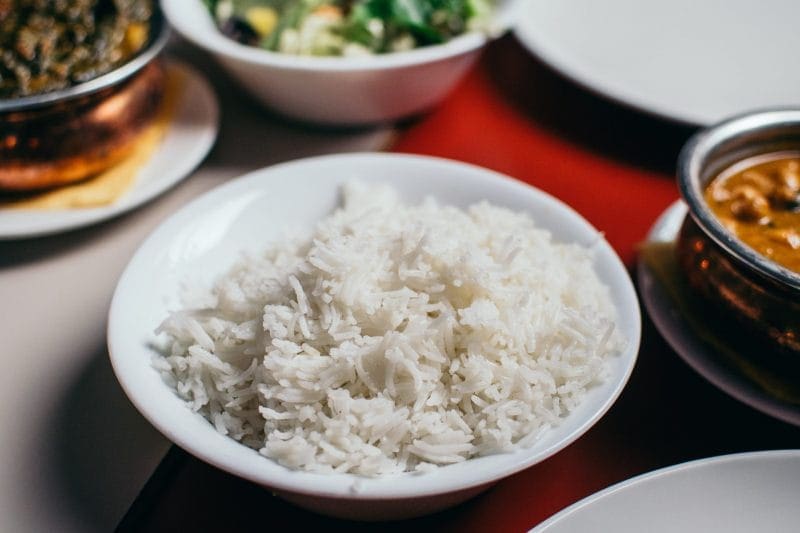
Eating white rice regularly may raise type 2 diabetes, according to a study published by Harvard in 2012. White rice does not have as much fibre as other grain options so it is easier to overeat it because you will not feel as full as you would after eating oats or bulgur, for example. Brown rice has more soluble and insoluble fibre and protein than white rice, which is easier to digest and boosts your immune system.
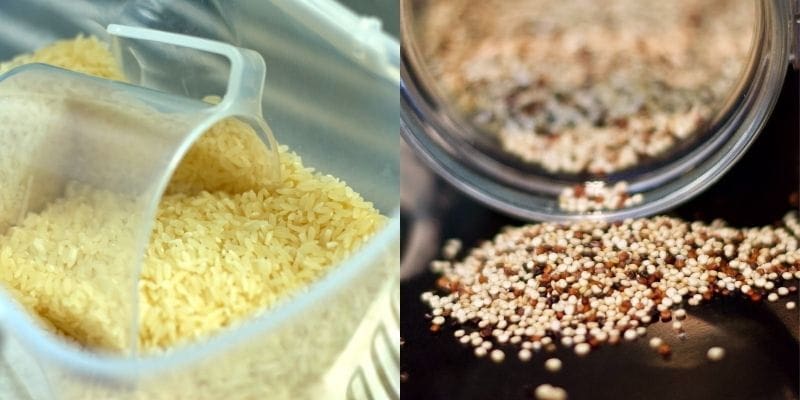
Change for Quinoa, couscous, or brown rice. Quinoa contains all 9 essential amino acids, full of vitamins B1, B2, B3 and B6, and also calcium and vitamin E. Quinoa also contains a small amount of omega-3 fatty acids, an essential fat in any diet.
If you want to lose weight, a cup of couscous has fewer calories and carbohydrates than both brown and white rice. Couscous also has more protein than both types of rice mentioned. The intake of couscous can also help with cleaner skin, nails and hair, and it prevents Alzheimer’s and stress.
2 – Pasta

Why consider replacing it?
A distinction must be made between whole-grain and refined pasta. Whole-grain contains a good amount of fibre, manganese and selenium. Refined pasta is higher in calories, carbohydrates, B vitamins and iron, but lower in fibre and most other micronutrients.
The starch in the past can result in a rush of insulin and increase blood sugar, which results in cravings for more refined carbohydrates (not the good kind of carbs).
Change for non-flour pasta to cut down the carbs and feel fuller for longer. You can create your own pasta and ditch the flour by spiralizing a cucumber, zucchini or even sweet potatoes. One downside is that fresh vegetable pasta cannot be stored for long.
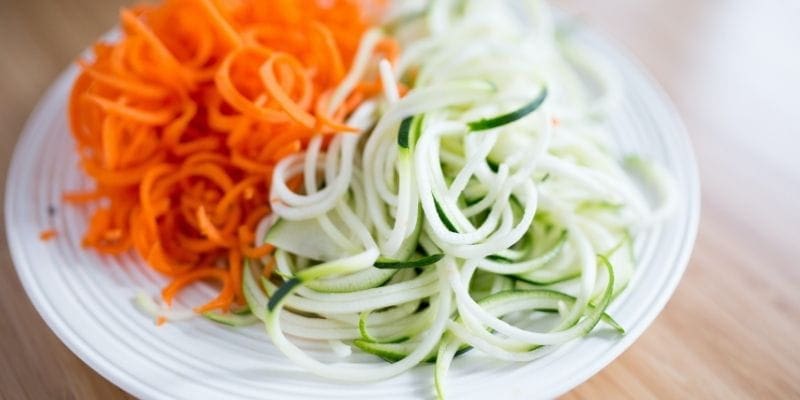
If you do not have time, or patience, to make your own pasta from fresh vegetables, you can also buy bean-based pasta in the supermarkets. Chickpeas, lentils, or black beans pasta have more protein and fibre than regular pasta and have a longer shelf life.
3 – Alcohol – Guide to Eating Healthier

Why should you change it?
Alcohol contains many calories without vitamins, minerals and other essential nutrients that your body needs. Alcohol consumption can block fat burning, which leads to weight gain and nutritional deficiencies.
If your goal is to lose weight, eliminating alcohol consumption might be the best advice. But if quitting alcohol drinking is not an alternative for you, then….
Change for lower-calorie alcohol or pure forms of liquor. Change that beer for a light beer, or wine – they are both relatively low in carbs, per serving. Also, hard liquor, such as rum, whiskey, gin and vodka has no carbs at all.
However, keep your alcohol consumption low, 1 to 2 drinks a day, as excessive drinking will hinder your body’s ability to burn fat.
Read more: Lose belly fat without counting calories
4 – White Bread

Why replace it?
Bread, just like pasta, can be processed in different ways. As a general rule, bread is high in calories and carbs, and low in protein, fat, fibre, vitamins and minerals.
Change for whole wheat bread. This is probably the best easily available bread since it provides a higher amount of fibre and protein compared to white bread, both of which help keep your blood sugar steady. The healthiest bread, however, is Ezequiel bread, made of several types of sprouted grains and legumes. You can hardly find it in supermarkets but might be lucky looking into bio markets and healthy food branches.
Another cheap and low-carb option would be to change your burger bun for one large lettuce leaf.
5 – Potatoes

Why should you change it?
Potatoes are not all bad, but they have little protein and are digested rapidly by the body, making people hungry again soon after eating them. If you are preparing for a competition, potatoes are a good ally, since it provides energy fairly quickly.
That said, these root vegetables should not be seen as a proper vegetable on your plate, but more like a carbohydrate and, as such, should substitute other carbs in your diet, instead of adding to it.
Essentially, don’t trade your carrot for a potato.
Ultimately, one medium potato (148 grams) has 110 calories, of which none is fat or sodium, and only 3g is of protein, while 2g is fibre. Normal potatoes are also not recommended for people with diabetes.
Change for sweet potato. The “cousin” sweet potato has an incredibly higher concentration of vitamin A and C, they have a lower glycemic index, which keeps you satiated for longer, and have more antioxidants, protecting body cells against oxidative stress.
6 – Fruit Juice – Guide to Eating Healthier

Why should you change it?
Fruit juice might seem like a great healthy change of pace of drinking plain water every day. But the juice anyone can buy in supermarkets, even the 100% fruit juice, can contain quite a lot of sugar and drinking too much juice daily can be detrimental to your health. Some brands will even add sugar to its packaging, skyrocketing the sweetness.
Change for real fruit or vegetable juice. The biggest problem with turning fruits into juice is that most of the fruit’s insoluble fibre gets lost, which is an essential nutrient and helps delay the absorption of the sugar by the body. Without the fibre, 100% fruit juice is sugar and calories, and just a little bit of vitamins (compared to eating the whole fruit).
On the other hand, vegetable juice is much welcomed. Think tomato, kale, carrots, or beets juice. If you made a disgusted face with these options, then better stick to water.
7 – Sweeteners

Why reduce their intake?
There are four types of sugar alternatives and each has its pros and cons. Artificial sweeteners, novel sweeteners, sugar alcohols and natural sweeteners.
Artificial sweeteners add no calories, but they are extremely sweet and might leave you craving more sweets throughout the day. Sugar alcohols are not absorbed completely by the body, but in excess, it can lead to digestive problems. Natural sweeteners are obviously natural (like honey, or coconut sugar), but they tend to be high in calories and when consumed excessively it can cause health problems such as tooth decay and weight gain.
Change for…. It completely depends on what you want. Beforehand, consult your doctor with your viable options. For example, artificial synthetic sweeteners are the most common choice for people with diabetes and people who want to cut down on sugar and lose weight. Stevia is a natural sweetener that may have health benefits by lowering blood pressure and helping with weight management as well. Agave, a natural sweetener, is a great vegan option for people who wants something with a similar consistency to honey.
Are you vegetarian? Then see these 10 vegetarian protein sources to maximize muscle growth and recovery.
As a rule of thumb, if you are an active person, make sure you’re consuming as many calories as you’re burning. Food is fuel and will support your performance; sometimes you’ll need to eat the food above to consume enough easily-digestible carbs and continue to train. Always listen to your body and consult a health professional before making big changes to your diet.