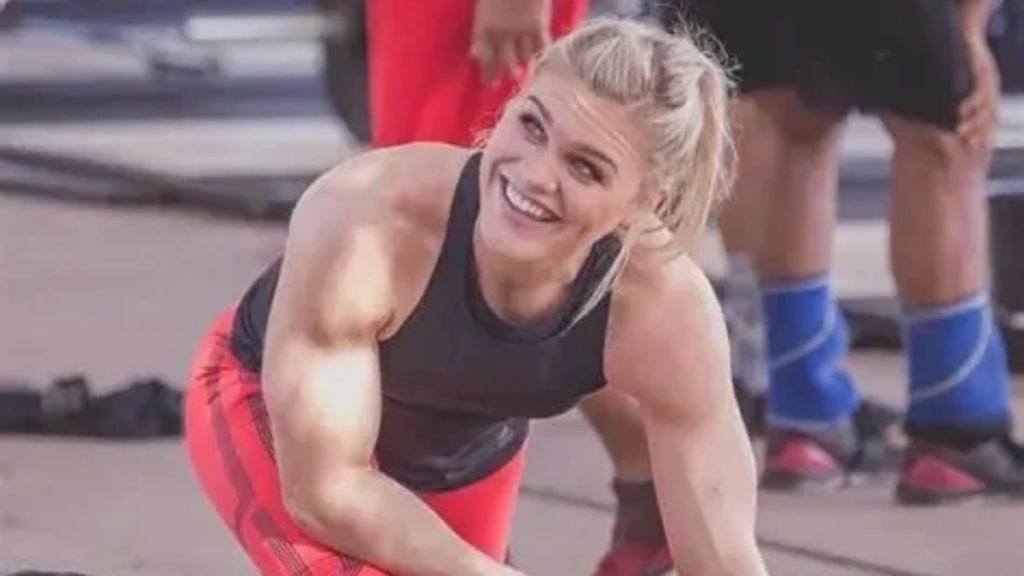
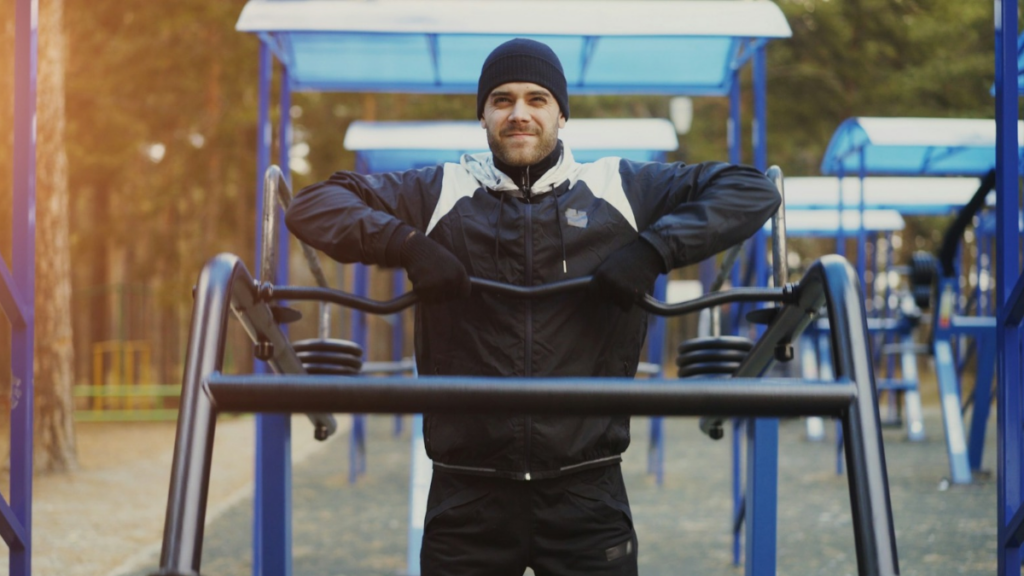
A wider, stronger upper back can transform how your physique looks and how your body performs. It adds width to your torso, improves the contrast between your shoulders and waist, and gives you the foundation for stronger pressing, pulling, carrying, and athletic movement.
For beginners, the goal is not to chase complicated exercises or use the heaviest possible weight. The fastest progress usually comes from mastering a few reliable movements, training them consistently, and gradually adding repetitions or load while keeping your technique solid.


Your upper back includes several important muscles. The latissimus dorsi, often called the lats, are the broad muscles that run down the sides of your back and contribute strongly to a wider appearance. The trapezius, rhomboids, rear deltoids, and smaller muscles around the shoulder blades help create thickness, support good posture, and stabilize the shoulder joint during pressing and pulling.
Resistance training is highly effective for increasing muscle size and strength when it is performed consistently. Research shows that both beginners and experienced lifters can build muscle with a range of loading options, provided that training sets are challenging and total training volume is sufficient. Good form matters because it helps place tension on the target muscles while reducing unnecessary stress on the joints.
The three exercises below are beginner friendly, easy to progress, and cover the major functions needed to build a more muscular and durable upper back.
Why Training Your Upper Back Matters
A strong upper back is not only about appearance. It helps you control your shoulder blades, maintain a more stable torso, and produce force during many common gym exercises. Rows, pulldowns, deadlifts, presses, carries, and pull ups all benefit from a back that can stabilize the shoulder girdle under load.
Upper back strength may also be important for people who spend long periods sitting at a desk. Sitting itself does not automatically cause pain or poor posture, but regularly moving through a full range of motion and developing strength in the muscles around the shoulders can help improve physical capacity. Strength training is especially useful because it prepares tissues to tolerate the demands of work, sport, and daily life.
Muscle growth depends largely on progressive overload. This means gradually asking your muscles to do more work over time. You can achieve this by adding a small amount of weight, performing more repetitions with the same weight, improving exercise control, or adding another challenging set.
Beginners should keep the process simple. Choose a weight that allows you to move smoothly, avoid swinging or jerking, and finish each set with around two or three repetitions still possible. As you become more confident, you can gradually work closer to muscular fatigue on selected sets.
1. Neutral Grip Lat Pulldown
The neutral grip lat pulldown is one of the best first exercises for building back width. It trains the lats through a vertical pulling pattern without requiring you to lift your full bodyweight, which makes it more accessible than a pull up for most beginners.
A neutral grip means your palms face each other. Many lifters find this position comfortable for the shoulders and elbows, while it also allows a strong and controlled pulling motion. The pulldown trains the lats, but the biceps, forearms, lower trapezius, rhomboids, and rear deltoids also contribute to the movement.
How to Perform the Neutral Grip Lat Pulldown
Set the thigh pad so your legs are held securely against the seat. Reach up and take the handles with your palms facing each other. Sit tall with your chest lifted and your feet firmly on the floor.
Before pulling, think about bringing your shoulders down away from your ears. Then pull the handles toward the upper part of your chest while keeping your torso mostly upright. Your elbows should travel down and slightly back rather than flaring far out to the sides.
Pause briefly when the handles reach the bottom position. Then return the weight slowly until your arms are straight overhead again. Keep control throughout the return because the lowering phase also contributes to the total training stimulus.
Why It Works
Vertical pulling exercises are useful because they train the lats in a role that closely matches their main function at the shoulder. The lats help pull the upper arm down toward the torso and contribute to shoulder extension. Developing them can create more width beneath the armpits and along the sides of the torso.
The machine also provides a stable setup. This allows beginners to focus on controlling the movement and feeling the back muscles work rather than worrying about balance. You can easily adjust the load in small increments, which makes progressive overload straightforward.
What Happens If You Only Use Dumbbells for Your Chest?
Avoid pulling the bar behind your neck. This variation can place the shoulder in an uncomfortable position and does not provide a meaningful advantage for building the upper back. Pulling to the upper chest with control is a more practical option for most people.
Beginner Programming
Perform two or three sets of eight to 12 repetitions. Rest for around one to two minutes between sets. Use a load that feels challenging by the final few repetitions but still allows you to keep your torso controlled.
When you can complete 12 repetitions on every set with clean technique, increase the load slightly during your next session.
2. Chest Supported Dumbbell Row
The chest supported dumbbell row is an excellent exercise for adding upper back thickness while teaching beginners how to row without using excessive momentum. Supporting your chest against an incline bench reduces the urge to swing your body and makes it easier to focus on the muscles between and around your shoulder blades.
This movement trains the middle trapezius, rhomboids, rear deltoids, lats, and biceps. It also gives each side of your body the chance to work independently, which can help you notice and gradually address strength differences between the left and right sides.
How to Perform the Chest Supported Dumbbell Row
Set an adjustable bench to a moderate incline. Lie face down with your chest supported and your feet firmly planted on the floor. Hold a dumbbell in each hand with your arms hanging naturally toward the ground.
Start by allowing your shoulder blades to move slightly apart. Pull the dumbbells up toward your lower ribs while driving your elbows back. Keep your neck relaxed and avoid shrugging your shoulders toward your ears.
At the top of the repetition, squeeze your upper back briefly without forcing the range of motion. Lower the dumbbells slowly until your arms are straight and your shoulder blades can move naturally again. The controlled stretch at the bottom is important because training through a full, comfortable range of motion is useful for strength and muscle development.
Why It Works
Rowing movements are fundamental for building a thick and capable upper back. They train the muscles that pull the shoulder blades toward the spine and help stabilize them during pressing, pulling, and carrying exercises.
The chest support makes this movement particularly useful for beginners. In a standing bent over row, your lower back and hips must work hard to hold your torso in position. That can be valuable later, but it may distract a new lifter from learning the actual rowing pattern. With chest support, you can train the upper back more directly and use a controlled tempo.
Dumbbells also allow a natural arm path. You can pull with your elbows slightly closer to your sides if you want more lat involvement, or allow the elbows to travel somewhat wider if you want to emphasize the upper back and rear shoulders. For most beginners, a path between these two positions feels strong and comfortable.
Beginner Programming
Perform two or three sets of 10 to 15 repetitions. Choose dumbbells that you can lower slowly without losing control of your shoulders or bouncing off the bench.
Focus on making each repetition look the same. If one side moves differently from the other, reduce the weight and improve your control before progressing.
3. Cable Face Pull
The cable face pull is a highly useful accessory exercise for the upper back, rear shoulders, and muscles that help control shoulder blade position. It will not replace heavier rows and pulldowns, but it can make your back training more complete and help beginners develop better control around the shoulders.
Use a rope attachment set at roughly eye level. The movement should feel smooth and deliberate, not heavy and rushed. Face pulls work best when you prioritize quality repetitions over chasing bigger numbers on the weight stack.
How to Perform the Cable Face Pull
Set a cable pulley around eye level and attach a rope handle. Take a few steps back so the cable has tension before you start. Stand with a stable stance, soften your knees slightly, and keep your ribs stacked over your hips.
Pull the center of the rope toward your face while separating the ends of the rope. Your elbows should travel out and back, while your hands finish close to either side of your head. Think about drawing your shoulder blades back and down rather than lifting them toward your ears.
Return slowly to the starting position. Let your arms straighten under control, but do not allow the cable to pull your shoulders excessively forward. Maintain a steady torso throughout the movement.
Why It Works
Face pulls train muscles that are often less directly challenged by pressing exercises, including the rear deltoids and portions of the trapezius. They also involve external rotation at the shoulder, which can improve your awareness and control of this movement pattern.
A well rounded resistance training program should include both pressing and pulling. While the exact balance depends on your goals and training history, beginners often benefit from including plenty of pulling work because it develops the muscles that support the shoulder blades and upper torso.
The cable setup provides consistent resistance throughout the movement and lets you use very small load increases. This makes it easier to learn the exercise without forcing the shoulder into an uncomfortable position.
Beginner Programming
Perform two or three sets of 12 to 15 repetitions. Use a light to moderate load and aim for a brief pause when the rope reaches your face.
If you feel the exercise mostly in your neck, reduce the weight. Focus on keeping your shoulders away from your ears and moving your elbows back with control.
How to Build Your Beginner Upper Back Workout
You can perform these three exercises two times per week on nonconsecutive days. Start with two working sets of each exercise, then progress to three sets when your recovery and technique are consistently good.
A simple session might begin with the neutral grip lat pulldown, followed by the chest supported dumbbell row, and finish with cable face pulls. This order allows you to perform your biggest movements while you are fresh and use face pulls as a controlled finishing exercise.

Train each set with purpose. You do not need to fail every repetition to make progress. However, the final repetitions should feel demanding. If you finish a set and feel that you could easily complete 10 more repetitions, the weight is probably too light to provide an efficient training stimulus.
Muscle growth is also supported by adequate nutrition, sleep, and consistent training. Protein intake is particularly important because dietary protein provides amino acids that support muscle protein synthesis. Research suggests that higher protein intakes are useful when combined with resistance training, especially when the goal is to gain muscle mass.
Keep a record of your exercises, sets, repetitions, and loads. Small improvements add up quickly over several months. A stronger pulldown, a more controlled row, and better face pull technique will build an upper back that looks wider, feels stronger, and supports everything else you do in the gym.
Final Thoughts
The best beginner upper back exercises are the ones you can perform safely, consistently, and progressively. Neutral grip lat pulldowns build width through a stable vertical pulling pattern. Chest supported dumbbell rows add muscular thickness and teach you to pull with control. Cable face pulls help strengthen the rear shoulders and improve shoulder blade control.
Master these movements before worrying about advanced variations. Build your repetitions, improve your form, and add load gradually. That simple approach can help you develop an upper back that is wider, more muscular, and genuinely strong.
Key Takeaways
| Exercise | Main benefit | Suggested beginner dose |
|---|---|---|
| Neutral grip lat pulldown | Builds lat width and vertical pulling strength | Two to three sets of eight to 12 repetitions |
| Chest supported dumbbell row | Builds upper back thickness with less body momentum | Two to three sets of 10 to 15 repetitions |
| Cable face pull | Strengthens rear shoulders and upper back control | Two to three sets of 12 to 15 repetitions |
| Weekly frequency | Supports regular practice and progressive overload | Train the exercises twice per week |
| Progression | Drives strength and muscle gains over time | Add repetitions or a small amount of load when form remains strong |
References
- American College of Sports Medicine (2009) ‘American College of Sports Medicine position stand. Progression models in resistance training for healthy adults’, Medicine & Science in Sports & Exercise, 41(3), pp. 687–708.
- Grgic, J., Schoenfeld, B.J., Davies, T.B., Lazinica, B., Krieger, J.W. and Pedisic, Z. (2018) ‘Effect of resistance training frequency on gains in muscular strength: A systematic review and meta analysis’, Sports Medicine, 48(5), pp. 1207–1220.
- Lasevicius, T., Schoenfeld, B.J., Silva Batista, C., Barros de Souza Junior, S., Braga, F., Ribeiro, H., Nunes, J.P., da Silva Neto, L.V., Tamura, H., Tricoli, V. and Aihara, A.Y. (2019) ‘Muscle failure promotes greater muscle hypertrophy in low load but not in high load resistance training’, Journal of Strength and Conditioning Research, 36(2), pp. 346–351.
- Morton, R.W., Murphy, K.T., McKellar, S.R., Schoch, R.D., Henselmans, M., Helms, E., Aragon, A.A., Devries, M.C., Banfield, L., Krieger, J.W. and Phillips, S.M. (2018) ‘A systematic review, meta analysis and meta regression of the effect of protein supplementation on resistance training induced gains in muscle mass and strength in healthy adults’, British Journal of Sports Medicine, 52(6), pp. 376–384.
- Schoenfeld, B.J., Ogborn, D. and Krieger, J.W. (2017) ‘Dose response relationship between weekly resistance training volume and increases in muscle mass: A systematic review and meta analysis’, Journal of Sports Sciences, 35(11), pp. 1073–1082.
- Signorile, J.F., Zink, A.J. and Szwed, S.P. (2002) ‘A comparative electromyographical investigation of muscle utilization patterns using various hand positions during the lat pull down’, Journal of Strength and Conditioning Research, 16(4), pp. 539–546.