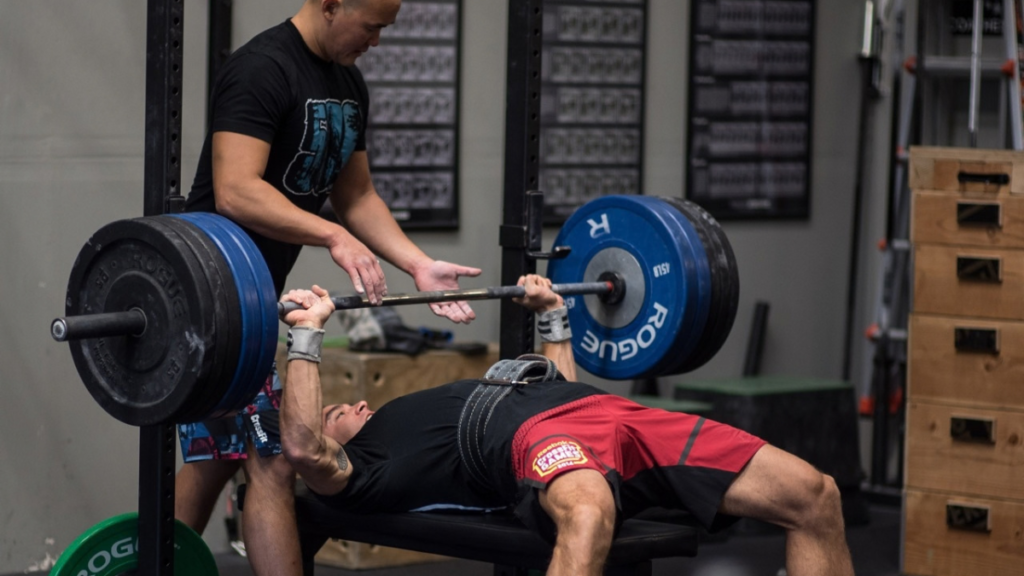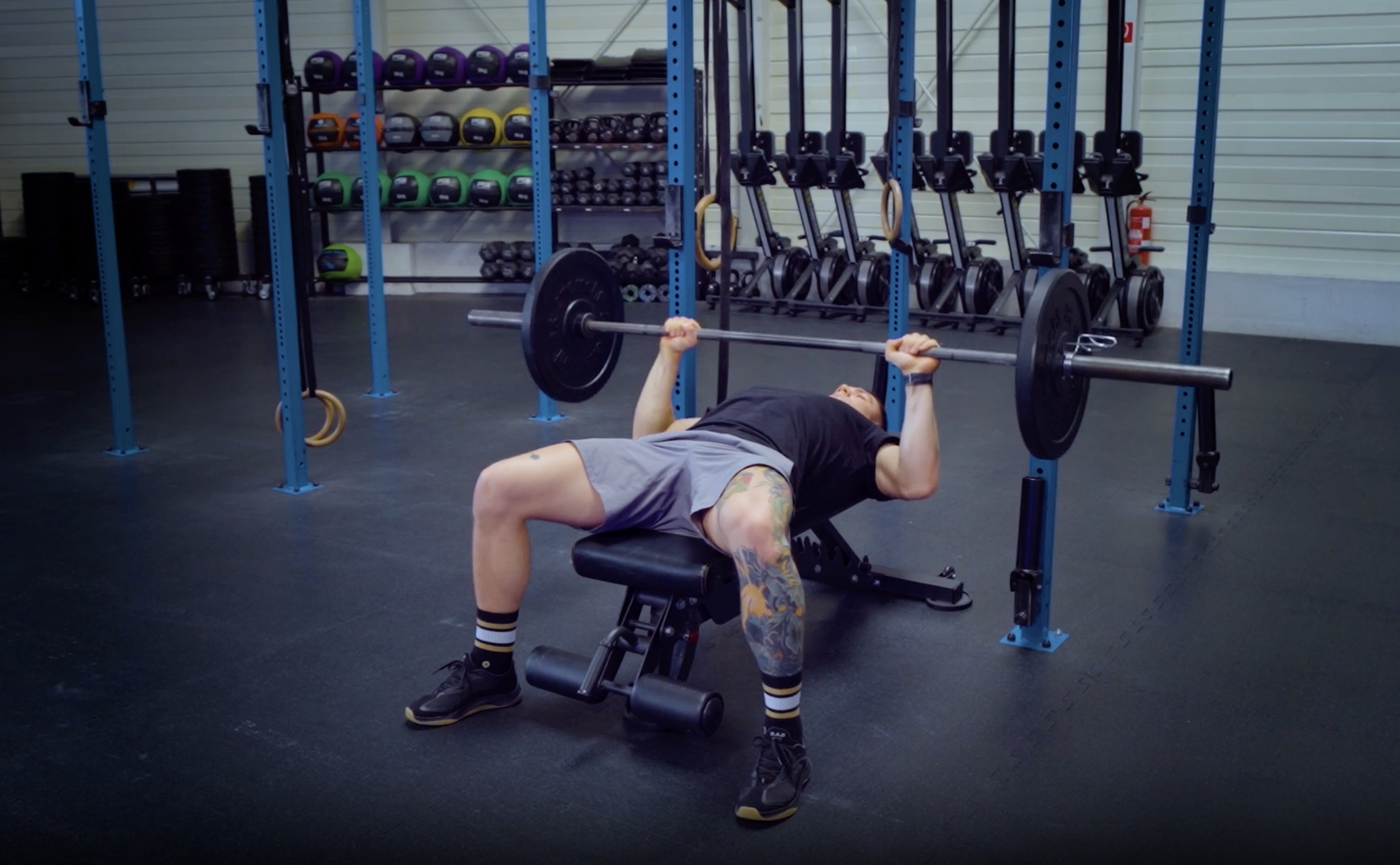


The bench press is one of the most popular and heavily analyzed strength exercises in the world. It is a cornerstone lift in powerlifting, a staple in bodybuilding programs, and a common benchmark of upper-body strength in general fitness settings.
Despite its popularity, many lifters struggle to make consistent progress on their bench press after the beginner phase. Plateaus are common, shoulder discomfort is widespread, and conflicting advice often leads to ineffective training decisions.


Improving your bench press is not about secret tricks or magical cues. It is about understanding how the body produces force, how muscles adapt to training, and how technique, volume, intensity, and recovery interact over time. Fortunately, decades of strength and sports science research give us clear, practical guidance.
This article breaks down five evidence-based tips to help you build a stronger bench press. Each tip is grounded in peer-reviewed research and explained in simple, actionable terms. Whether your goal is to add 20 pounds to your one-rep max, improve pressing power for CrossFit or sport, or simply bench pain-free for years to come, these principles apply.
Tip 1: Master Technique to Maximize Force Production

Why Technique Matters for Strength
Strength is not just about muscle size. It is about how effectively you can apply force to the barbell. Research consistently shows that small changes in technique can significantly alter muscle activation, joint loading, and total force output during the bench press.
From a biomechanical standpoint, the bench press is a multi-joint movement involving the shoulder, elbow, and wrist. Inefficient positioning increases energy leaks, meaning force generated by the muscles does not fully transfer into barbell movement. Over time, poor technique can also raise injury risk, especially at the shoulders.
Studies comparing skilled and unskilled lifters show that experienced bench pressers display more consistent bar paths, better joint stacking, and higher neuromuscular efficiency. This allows them to lift heavier loads with the same or even lower relative muscle activation compared to novices.
Optimal Bar Path and Touch Point
One of the most common technique errors is pressing the bar straight up and down. Motion analysis studies show that the strongest bench pressers use a slightly diagonal bar path. The bar typically lowers to the lower chest or sternum and then moves back toward the shoulders as it ascends.
This curved bar path reduces shoulder torque and places the bar over stronger joint positions during the sticking point. Research using three-dimensional kinematic analysis confirms that this technique allows for greater loads compared to a strictly vertical bar path.
Touching the bar too high on the chest increases shoulder flexion and stress on the anterior deltoid, while touching too low increases elbow extension demands. A lower-chest touch point balances these forces and improves leverage.
Scapular Retraction and Stability
Scapular positioning plays a critical role in both performance and injury prevention. Retracting and slightly depressing the shoulder blades before unracking the bar creates a stable base on the bench. This reduces excessive shoulder movement and increases pectoral muscle contribution.
Electromyography (EMG) studies show higher pectoralis major activation and lower anterior deltoid activation when the scapulae are retracted during the bench press. This is important because the pecs are better suited for horizontal pressing force, while over-reliance on the shoulders often leads to pain and stalled progress.
Once the scapulae are set, they should remain relatively stable throughout the lift. Excessive protraction at the top may reduce shoulder stress in some contexts, but for maximal strength lifting, a stable scapular position improves force transfer.
Leg Drive and Whole-Body Tension
Although the bench press is an upper-body exercise, lower-body involvement matters. Force production improves when the entire body contributes to stability. Driving the feet into the floor creates tension through the legs, hips, and torso, increasing overall stiffness.
Biomechanical research shows that increased whole-body tension enhances force output by improving energy transfer through the kinetic chain. In practical terms, lifters who use effective leg drive can often lift heavier loads without increasing upper-body muscle activation.
Feet should be firmly planted, with pressure applied throughout the lift. The goal is not to lift the hips off the bench but to create a stable arch and maintain consistent tension from unrack to lockout.
Tip 2: Build the Right Muscles With Targeted Accessory Training

Prime Movers in the Bench Press
The bench press primarily involves the pectoralis major, triceps brachii, and anterior deltoid. However, secondary muscles such as the serratus anterior, rotator cuff, and upper back musculature play essential stabilizing roles.
Hypertrophy research clearly shows that increasing muscle cross-sectional area is strongly correlated with strength gains, especially in compound lifts. While neural adaptations dominate early strength improvements, long-term progress depends heavily on muscle growth.
EMG studies indicate that different phases of the bench press emphasize different muscles. The pectoralis major contributes most during the bottom portion, while the triceps play a larger role near lockout. This has direct implications for accessory exercise selection.
Training the Chest for Strength
The pectoralis major is the primary force producer during horizontal pressing. Exercises that load the chest through a large range of motion are particularly effective for strength carryover.
Research comparing free-weight and machine-based pressing movements suggests that barbell and dumbbell presses lead to greater stabilizer activation and more transferable strength gains. Dumbbell bench presses, in particular, increase range of motion and unilateral stability demands.
Incline pressing variations emphasize the clavicular head of the pectoralis major and anterior deltoid. While the flat bench remains the most specific movement, moderate inclusion of incline work can improve overall pressing strength by increasing total chest volume.
Strengthening the Triceps for Lockout Power
The triceps brachii contribute heavily to elbow extension, especially near the top of the lift. Studies examining sticking points in the bench press show that triceps weakness is a common limiting factor, particularly for intermediate and advanced lifters.
Close-grip bench pressing increases triceps activation compared to wider grips. EMG data confirms that reducing grip width shifts load away from the chest and toward the triceps.
Accessory exercises such as skull crushers, cable pushdowns, and overhead triceps extensions have been shown to effectively increase triceps hypertrophy. Overhead variations are especially valuable because they train the long head of the triceps in a lengthened position, which research suggests may promote greater muscle growth.
Upper Back and Shoulder Stability
A strong upper back provides a stable base for pressing. Muscles such as the rhomboids, trapezius, and latissimus dorsi help maintain scapular position and control the eccentric phase of the lift.
Rowing movements, face pulls, and pull-ups have been shown to improve shoulder health and pressing performance when included alongside bench training. Balanced agonist and antagonist strength reduces injury risk and may improve force output by allowing more aggressive pressing mechanics.
Rotator cuff strengthening is also supported by injury prevention literature. While these muscles do not directly increase bench press numbers, their role in joint stability allows for consistent, pain-free training, which is essential for long-term progress.
Tip 3: Use Proper Volume, Intensity, and Frequency

Understanding Training Volume
Training volume, typically measured as sets multiplied by reps multiplied by load, is one of the strongest predictors of hypertrophy and strength gains. Meta-analyses consistently show that higher volumes lead to greater muscle growth, up to a point.
For the bench press, moderate to high weekly volume spread across multiple sessions tends to produce better results than low-frequency, high-volume single sessions. Research suggests that performing 10 to 20 working sets per muscle group per week is effective for most trained individuals.
However, volume must be individualized. Excessive volume without adequate recovery can lead to overuse injuries and stagnation.
Load and Repetition Ranges for Strength
Maximal strength improvements are best achieved with heavier loads. Studies comparing different repetition ranges show that training with loads above 80 percent of one-rep max is particularly effective for increasing maximal strength.
That said, combining heavy and moderate loads appears superior to using only one intensity zone. Periodized programs that include both low-rep, high-load work and moderate-rep hypertrophy work produce greater strength gains than non-periodized approaches.
For the bench press, this might mean heavy sets of 3 to 5 reps combined with lighter sets of 6 to 10 reps using either the competition lift or close variations.
Training Frequency and Skill Practice
The bench press is a skill as well as a strength exercise. Motor learning research shows that more frequent practice improves technical consistency and neural efficiency.
Studies comparing once-weekly versus multiple-weekly training sessions demonstrate that higher frequencies often lead to superior strength gains when total volume is matched. This is likely due to improved technique retention and reduced fatigue per session.
Most evidence supports bench pressing two to four times per week for optimal strength development, depending on training age and recovery capacity.
Autoregulation and Fatigue Management
Fatigue masks strength. Research on velocity-based training and rate of perceived exertion shows that adjusting training loads based on daily readiness improves long-term outcomes.
Leaving one to three repetitions in reserve on most sets allows for sufficient stimulus while limiting excessive fatigue. This approach has been shown to produce similar or superior strength gains compared to training to failure, with lower injury risk.
Strategic deload weeks, where volume or intensity is temporarily reduced, are also supported by periodization research as a means of restoring performance and preventing overtraining.
Tip 4: Address Weak Points With Specific Variations
Identifying Sticking Points
A sticking point is the portion of the lift where bar speed slows dramatically or stops. Biomechanical research shows that sticking points in the bench press commonly occur a few centimeters off the chest.
Weaknesses at different phases of the lift often reflect muscular or technical limitations. Identifying where you fail allows you to choose variations that directly target that range of motion.
Paused Bench Press for Bottom-End Strength
Paused bench presses involve holding the bar motionless on the chest for one to three seconds before pressing. This eliminates the stretch-shortening cycle and increases demands on pure concentric force production.

Studies show that removing elastic energy reduces force output, making the lift more challenging at lighter loads. Training with pauses improves starting strength and increases confidence off the chest.
Paused bench presses also reinforce consistent touch points and tightness, improving overall technique.
Tempo Training for Control and Hypertrophy
Slowing the eccentric phase increases time under tension, which is a key driver of hypertrophy. Research indicates that controlled eccentrics can increase muscle damage and subsequent growth, provided total volume is managed.
Tempo bench presses with three- to five-second eccentrics improve bar control and positional awareness. This can be especially helpful for lifters who struggle with instability or inconsistent descent paths.
However, excessively slow tempos reduce the loads that can be used, so they should be employed strategically rather than as a primary strength method.
Board Presses and Partial Range Training
Board presses and other partial range movements reduce the range of motion and overload specific portions of the lift. Research on partial repetitions shows that they can increase strength in the trained range but have limited transfer outside it.
For bench press lockout issues, board presses allow heavier loads and increased triceps activation. When combined with full-range pressing, they can help strengthen weak top-end positions.
The key is specificity. Partial range work should supplement, not replace, full-range bench pressing.
Tip 5: Optimize Recovery, Nutrition, and Long-Term Progression
The Role of Recovery in Strength Gains
Muscle and neural adaptations occur during recovery, not during training itself. Inadequate recovery impairs strength gains regardless of program quality.
Sleep research consistently shows that reduced sleep duration and quality negatively affect strength, power, and muscle recovery. Aim for seven to nine hours of sleep per night to support hormonal balance and nervous system function.
Rest days and low-intensity sessions allow connective tissues to recover, reducing injury risk and enabling consistent training.
Protein Intake and Muscle Growth
Protein intake is a major determinant of hypertrophy. Meta-analyses show that consuming approximately 1.6 to 2.2 grams of protein per kilogram of body weight per day maximizes muscle growth in resistance-trained individuals.
Adequate protein supports muscle repair and growth following bench press training. Distributing protein intake evenly across meals may further enhance muscle protein synthesis.
Caloric Intake and Strength Performance
Energy availability influences strength gains. Studies on resistance training and energy balance show that caloric deficits impair strength and hypertrophy, even when protein intake is high.
For lifters aiming to maximize bench press performance, maintaining at least a slight caloric surplus is generally beneficial. This supports training intensity, recovery, and muscle growth.
Progressive Overload and Patience
Progressive overload is the gradual increase of training stress over time. This can be achieved by increasing load, volume, frequency, or technical demands.
Longitudinal studies on strength athletes show that sustainable progress is slow and incremental. Attempting to increase loads too quickly often leads to technical breakdown or injury.
Tracking performance, rotating variations, and periodically reassessing goals help maintain long-term progress without burnout.
Conclusion
A stronger bench press is the result of consistent, intelligent training rather than shortcuts. By improving technique, building the right muscles, managing volume and intensity, addressing weak points, and prioritizing recovery, you can make steady gains over months and years.
The science is clear: strength responds best to structured, evidence-based approaches. Apply these five tips patiently, and your bench press will improve not just in numbers, but in quality, safety, and longevity.
References
- Baker, D. and Newton, R.U. (2008). Comparison of lower body strength, power, acceleration, speed, agility, and sprint momentum to describe and compare playing rank among professional rugby league players. Journal of Strength and Conditioning Research, 22(1), pp.153–158.
- Barnett, C., Kippers, V. and Turner, P. (1995). Effects of variations of the bench press exercise on the EMG activity of five shoulder muscles. Journal of Strength and Conditioning Research, 9(4), pp.222–227.
- Behm, D.G. and Sale, D.G. (1993). Intended rather than actual movement velocity determines velocity-specific training response. Journal of Applied Physiology, 74(1), pp.359–368.
- Grgic, J., Schoenfeld, B.J., Davies, T.B., Lazinica, B., Krieger, J.W. and Pedisic, Z. (2018). Effect of resistance training frequency on gains in muscular strength. Sports Medicine, 48(5), pp.1207–1220.
- Krieger, J.W. (2010). Single vs. multiple sets of resistance exercise for muscle hypertrophy. Journal of Strength and Conditioning Research, 24(4), pp.1150–1159.
- Schoenfeld, B.J. (2010). The mechanisms of muscle hypertrophy and their application to resistance training. Journal of Strength and Conditioning Research, 24(10), pp.2857–2872.
- Schoenfeld, B.J., Ogborn, D. and Krieger, J.W. (2017). Dose-response relationship between weekly resistance training volume and increases in muscle mass. Journal of Sports Sciences, 35(11), pp.1073–1082.