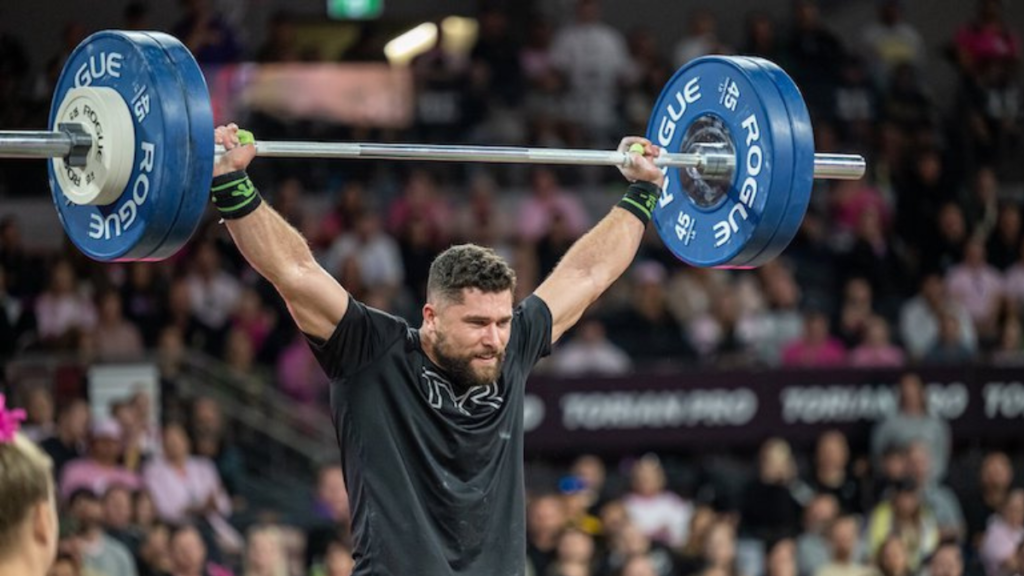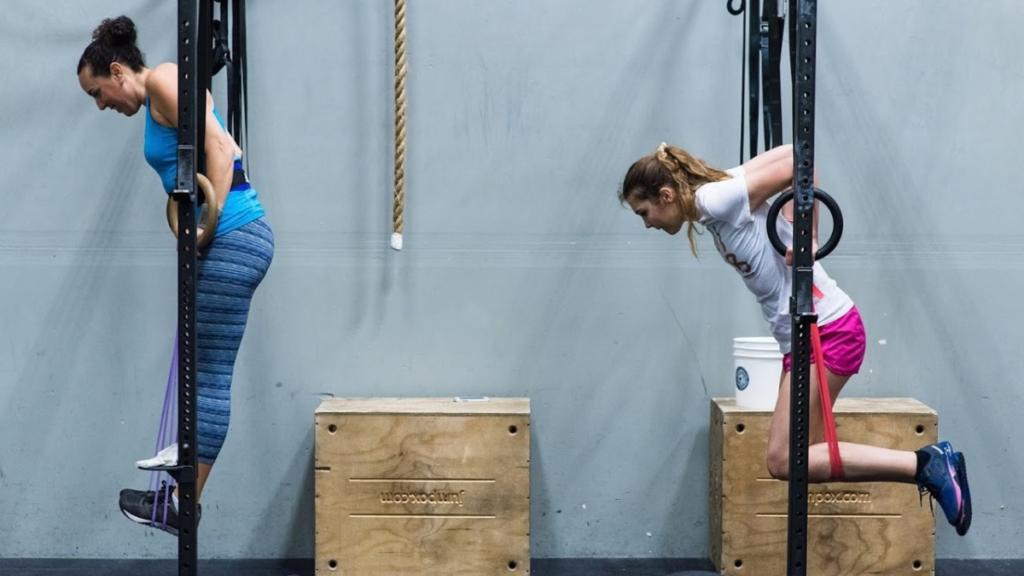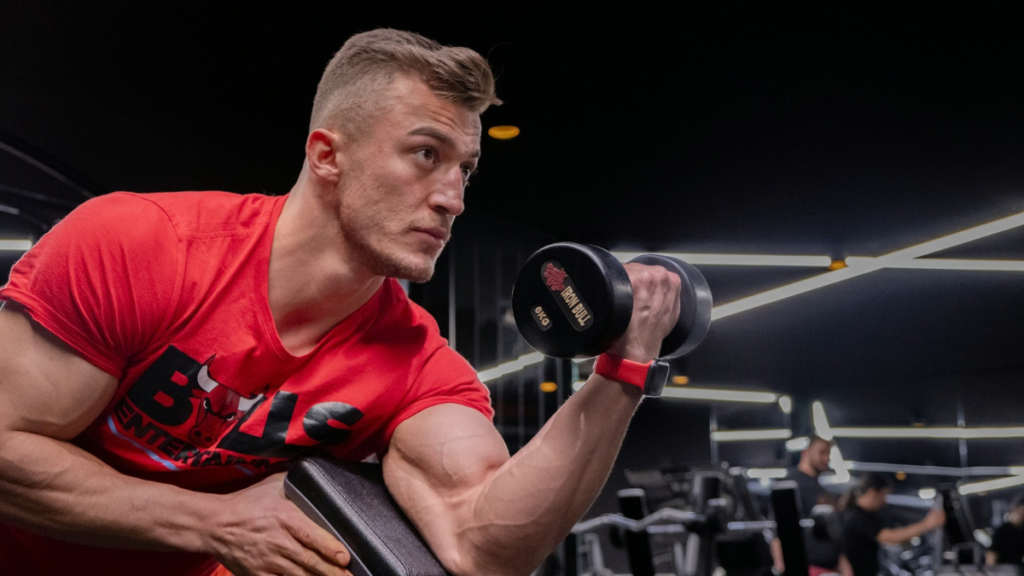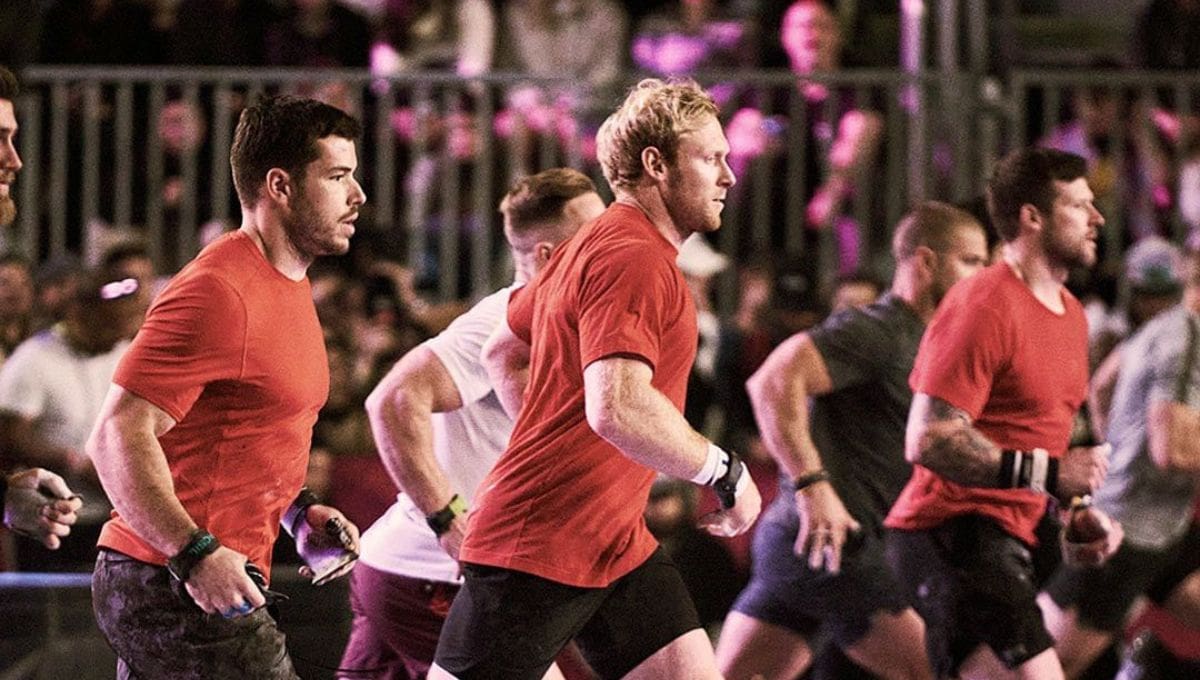


Turning 35 does not mean your best training years are behind you. Many athletes hit personal records well into their 40s and 50s. What does change after 35 is how your body responds to stress, recovery, and poor habits. Injury risk increases not because you are “old,” but because connective tissue adapts more slowly, muscle mass declines without stimulus, and recovery margins get thinner.
The good news is that injury prevention after 35 is well understood in sports science. The biggest risk factors are predictable, and most common injuries are preventable with relatively simple changes to how you train, recover, and move.


This article breaks down five evidence-backed hacks that dramatically reduce injury risk after 35. These are not gimmicks or shortcuts. They are principles supported by decades of research in biomechanics, physiology, and sports medicine.
Hack 1: Train Tendons and Connective Tissue on Purpose

Why Tendons Become the Weak Link After 35
Muscle adapts quickly. Tendons do not.
After the age of 30, collagen synthesis in tendons slows, blood supply decreases, and tendon stiffness increases. These changes reduce the ability of tendons to tolerate sudden spikes in load, which is why injuries like Achilles tendinopathy, patellar tendinopathy, rotator cuff tears, and elbow pain become more common with age.
Studies show that while muscle strength can be maintained or even improved with regular training, tendon adaptation lags behind unless it is specifically targeted. This mismatch between muscle force and tendon capacity is one of the primary drivers of overuse injuries in aging athletes.
How Tendons Actually Adapt
Tendons respond best to slow, high-tension loading rather than fast or ballistic movement. Research shows that isometric and slow eccentric contractions stimulate collagen synthesis and improve tendon stiffness more effectively than traditional dynamic reps.
Importantly, tendon adaptation requires consistency over weeks and months. One or two mobility sessions will not change tendon health. Structured loading does.
Practical Application
To protect tendons after 35:
• Use slow eccentrics (3–5 seconds) on compound lifts
• Include isometric holds lasting 30–45 seconds
• Train tendons 2–3 times per week
• Progress load gradually, not explosively
Examples:
– Slow tempo squats or split squats
– Isometric mid-thigh pulls
– Isometric calf raises
– Long-duration plank variations
Research shows that these methods reduce pain and injury risk while improving tendon stiffness and force transmission.
Why This Works
Tendons respond to time under tension more than speed. Slow loading increases mechanotransduction, stimulating fibroblasts to produce stronger collagen fibers aligned with force demands. This directly improves injury resilience.
Hack 2: Preserve Muscle Mass and Strength Relentlessly

Sarcopenia Starts Earlier Than Most People Think
Muscle mass declines at a rate of approximately 0.5–1 percent per year after age 30 if not actively trained. Strength declines even faster.
Loss of muscle mass, known as sarcopenia, is not just a performance issue. It is one of the strongest predictors of injury, falls, joint pain, and long-term disability.
Studies consistently show that individuals with higher relative strength have lower injury rates across nearly every sport and activity.
Strength Is Joint Insurance
Strong muscles stabilize joints, absorb impact, and distribute forces more evenly across tissues. Weak muscles shift stress to passive structures like ligaments, cartilage, and tendons, which are slower to adapt and easier to damage.
For example:
– Weak glutes increase knee valgus and ACL strain
– Weak rotator cuff muscles increase shoulder impingement risk
– Weak trunk muscles increase lumbar spine loading
Strength training directly reduces these risks.
How to Train for Injury Prevention After 35
The goal is not maximal volume or constant intensity variation. The goal is consistent exposure to heavy-enough loads to preserve muscle mass and neural drive.
Key principles:
• Lift heavy enough to challenge the nervous system
• Use full ranges of motion when possible
• Prioritize compound lifts
• Maintain strength year-round
Research suggests loads above 70 percent of one-repetition maximum are particularly effective for preserving muscle mass and strength with age.
Why Consistency Beats Novelty
Frequent program changes increase injury risk. Repeating familiar movements allows tissues to adapt structurally and neurologically. Variety should exist within constraints, not replace them.
Athletes who maintain consistent strength routines have significantly lower rates of non-contact injuries than those who constantly rotate programs.
Hack 3: Respect Recovery Like It Is Training

Recovery Is Not Optional After 35
You do not recover the same way you did at 25. Hormonal responses to training change with age, including reduced growth hormone and testosterone output, both of which play key roles in tissue repair.
Ignoring recovery leads to accumulated fatigue, which is one of the strongest predictors of injury in athletes.
Research in team sports shows that injury risk increases dramatically during periods of congested training or competition schedules, especially in older athletes.
Sleep Is the Foundation
Sleep restriction reduces reaction time, increases inflammation, impairs motor control, and slows tissue repair.
Studies show that athletes sleeping fewer than six hours per night have significantly higher injury rates than those sleeping eight or more hours.
Sleep loss also reduces pain tolerance, making minor tissue irritation more likely to progress into chronic injury.
Managing Training Load
Sudden increases in volume or intensity are strongly associated with injury. This is known as the acute-to-chronic workload ratio.
Athletes over 35 are especially sensitive to spikes in training load. Gradual progression allows connective tissue to adapt alongside muscle.
Best practices:
• Increase volume or intensity by no more than 10 percent per week
• Deload every 4–6 weeks
• Use autoregulation when fatigued
Why This Works
Recovery allows damaged collagen fibers to remodel and strengthens neuromuscular coordination. Without sufficient recovery, microdamage accumulates faster than repair, leading to injury.
Hack 4: Maintain Joint Range of Motion That You Actually Use

Mobility Is Context-Specific
Mobility does not mean extreme flexibility. It means having enough range of motion to perform your sport or training safely and efficiently.
After 35, joint capsules stiffen and muscle-tendon units lose elasticity. This can alter movement patterns and increase joint stress.
However, excessive stretching without strength can destabilize joints and increase injury risk.
Which Joints Matter Most
Research identifies several key mobility areas strongly associated with injury risk:
– Ankle dorsiflexion
– Hip internal rotation
– Thoracic spine extension and rotation
– Shoulder external rotation
Restricted ankle dorsiflexion is linked to Achilles, knee, and plantar fascia injuries. Limited hip rotation increases lumbar spine stress.
How to Train Mobility Safely
The safest way to improve mobility after 35 is through controlled active ranges, not passive stretching alone.
Effective methods include:
• Loaded stretches
• End-range isometrics
• Controlled articular rotations
These methods improve range of motion while reinforcing joint stability.
Why This Works
Active mobility improves neuromuscular control at end ranges, reducing the risk of joint instability. Studies show that combining strength and mobility training reduces injury risk more than stretching alone.
Hack 5: Use Warm-Ups to Reduce Injury Risk, Not Just Break a Sweat
Warm-Ups Are Neurological, Not Just Physical
A proper warm-up prepares the nervous system, not just the muscles. Reaction time, coordination, and motor unit recruitment all improve with targeted warm-ups.
Research shows that structured warm-up protocols significantly reduce injury rates across multiple sports.
What Makes an Effective Warm-Up
The most effective injury-prevention warm-ups share common elements:
• Gradual increase in intensity
• Dynamic mobility
• Activation of stabilizing muscles
• Sport-specific movement patterns
Programs like the FIFA 11+ have been shown to reduce injury rates by up to 50 percent when performed consistently.
Warm-Up Length and Timing
Effective warm-ups do not need to be long. Ten to fifteen minutes is sufficient when structured correctly.
Long, fatiguing warm-ups can actually increase injury risk by reducing force production and coordination.
Why This Works
Warm-ups increase muscle-tendon compliance, improve proprioception, and enhance motor control. This reduces non-contact injuries caused by poor coordination or delayed muscle activation.
Putting It All Together
Preventing injuries after 35 is not about doing more. It is about doing the right things consistently.
Tendon health, muscle strength, recovery, mobility, and preparation all interact. Neglecting one increases stress on the others.
Athletes who train intelligently after 35 often outperform their younger counterparts not because they train harder, but because they train smarter.
References
• Journal of Applied Physiology: Magnusson, S.P., Hansen, P., Kjaer, M. (2003). Tendon properties in relation to muscular activity and aging. Journal of Applied Physiology, 95(3), 882–887.
• British Journal of Sports Medicine: Bohm, S., Mersmann, F., Arampatzis, A. (2015). Human tendon adaptation in response to mechanical loading. British Journal of Sports Medicine, 49(7), 1–6.
• Sports Medicine: Peterson, M.D., Sen, A., Gordon, P.M. (2011). Influence of resistance exercise on lean body mass in aging adults. Sports Medicine, 41(6), 497–509.
• Medicine & Science in Sports & Exercise: Faigenbaum, A.D., Myer, G.D. (2010). Resistance training among young and older athletes. Medicine & Science in Sports & Exercise, 42(3), 567–577.
• Journal of Strength and Conditioning Research: Gabbett, T.J. (2016). The training-injury prevention paradox. Journal of Strength and Conditioning Research, 30(7), 1899–1903.
• Sleep Health: Milewski, M.D., et al. (2014). Chronic lack of sleep is associated with increased sports injuries. Sleep Health, 1(1), 1–6.
• Clinical Biomechanics: Rabin, A., Kozol, Z. (2017). Ankle dorsiflexion range of motion and injury risk. Clinical Biomechanics, 42, 38–43.