

“Dieting” has become one of the most overloaded words in health and fitness. For many people, it brings up ideas of restriction, guilt, calorie counting, food rules, and short-term fixes that rarely last. Research strongly supports this frustration: most people who diet regain the weight they lose, often within a few years, and many end up worse off metabolically and psychologically than before they started.
But improving nutrition does not require dieting.


Nutrition science consistently shows that small, behavior-focused changes can significantly improve health markers such as blood sugar control, cholesterol levels, inflammation, gut health, and body composition—without strict rules or food elimination plans.
This article outlines five evidence-based nutrition “hacks” that work with human biology rather than against it. These strategies improve diet quality, support long-term health, and are realistic for people who train, work, and live full lives. No calorie tracking. No detoxes. No moral judgment around food.
Each section explains what to do, why it works physiologically, and how to apply it in the real world.
Hack 1: Prioritize Protein at Every Meal
Why Protein Matters More Than You Think
Protein is the most under-consumed macronutrient in modern Western diets, especially at breakfast and lunch. This matters because protein plays a central role in nearly every system of the body: muscle repair, hormone production, immune function, enzyme activity, and neurotransmitter synthesis.

From a nutrition standpoint, protein has three key advantages over carbohydrates and fats:
- It increases satiety more than any other macronutrient.
- It requires more energy to digest and metabolize.
- It helps preserve and build lean muscle mass.
Multiple controlled trials show that higher protein intake leads to spontaneous reductions in total calorie intake without conscious restriction. This happens because protein increases satiety hormones such as peptide YY (PYY) and glucagon-like peptide-1 (GLP-1), while suppressing ghrelin, the hormone that stimulates hunger.
Protein and Appetite Regulation
One of the strongest findings in nutrition science is that humans tend to eat until protein needs are met. This is known as the “protein leverage hypothesis.” When diets are low in protein, people unconsciously consume more total energy in an attempt to reach adequate protein intake.
In practical terms, meals low in protein often lead to overeating later in the day, particularly of ultra-processed foods high in sugar and fat.
Studies comparing isocaloric diets consistently show that higher-protein diets reduce hunger, cravings, and late-night snacking, even when total calories are not controlled.
Protein and Muscle Preservation
For physically active individuals, protein is essential for maintaining lean mass. Loss of muscle mass negatively affects metabolic health, insulin sensitivity, and long-term functional capacity.
Research shows that consuming adequate protein evenly distributed across meals stimulates muscle protein synthesis more effectively than skewing intake toward one large meal. This matters not just for athletes, but for anyone interested in long-term health and aging well.
How to Apply This Hack
You do not need to calculate macros to benefit from protein prioritization. Instead, anchor every meal around a visible protein source.
Examples include:
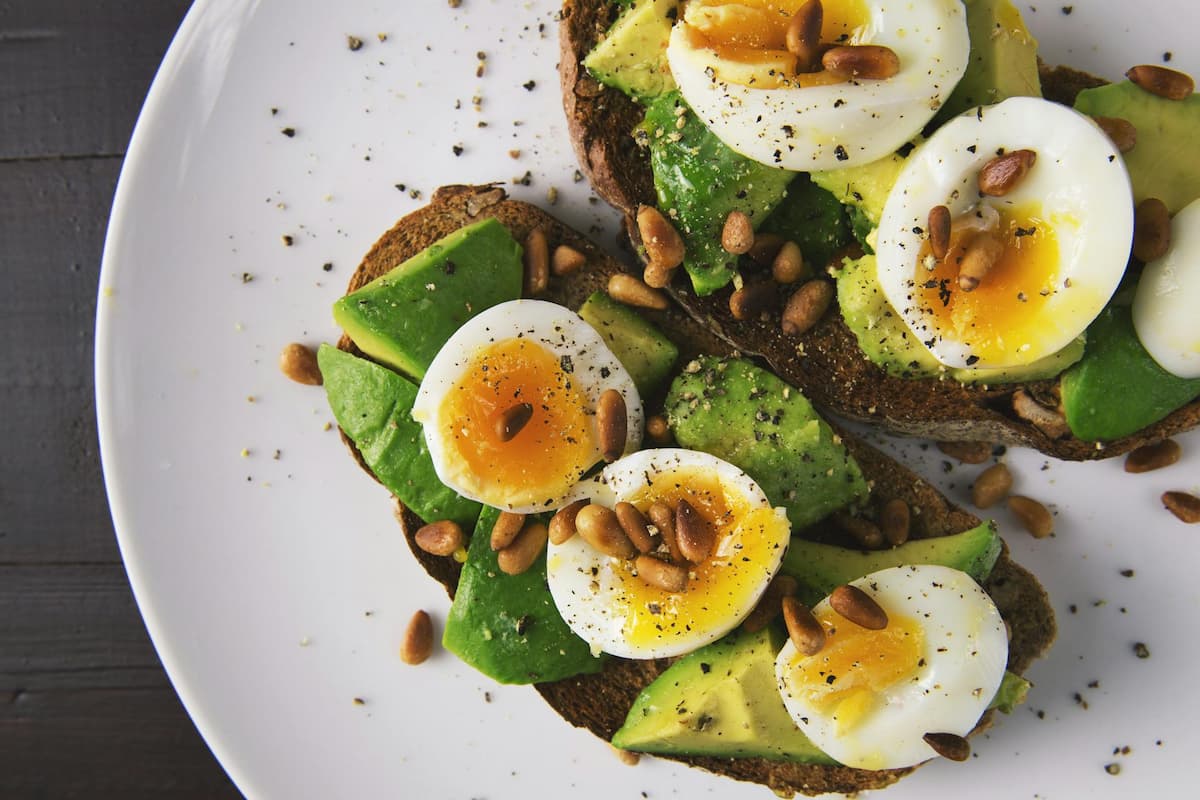
- Eggs, Greek yogurt, or cottage cheese at breakfast
- Chicken, fish, tofu, tempeh, or legumes at lunch and dinner
- Protein-rich snacks such as yogurt, jerky, or protein smoothies
A simple guideline supported by research is to aim for roughly 20–40 grams of protein per meal, depending on body size and activity level. For most people, this means protein should be the first thing on the plate, not an afterthought.
Hack 2: Eat Fiber-Rich Foods Before Carbs and Fats
Fiber’s Role in Blood Sugar Control
Dietary fiber is a non-digestible carbohydrate that plays a crucial role in metabolic health. High-fiber diets are consistently associated with lower risk of cardiovascular disease, type 2 diabetes, colorectal cancer, and all-cause mortality.
One of fiber’s most important effects is slowing gastric emptying and carbohydrate absorption. When fiber-rich foods are consumed before or alongside refined carbohydrates, blood glucose rises more slowly and insulin response is reduced.
This matters because frequent spikes in blood sugar and insulin are linked to insulin resistance over time.
The “Food Order” Effect
Recent research has shown that the order in which foods are eaten during a meal can significantly affect post-meal blood glucose levels. Eating vegetables or fiber-rich foods before starchy or sugary foods leads to lower glucose excursions, even when the meal composition is identical.
This means you can improve metabolic health without changing what you eat—only the order in which you eat it.
Fiber and Gut Health
Fiber also feeds beneficial gut bacteria, which ferment it into short-chain fatty acids such as butyrate. These compounds reduce inflammation, improve gut barrier function, and support insulin sensitivity.
Low fiber intake is associated with reduced microbial diversity, which has been linked to obesity, metabolic disease, and inflammatory conditions.
How to Apply This Hack
Instead of eliminating carbohydrates, change the sequence of your meals.
Practical examples:
- Eat vegetables or a salad before rice, pasta, or bread
- Start meals with legumes, beans, or lentils
- Add berries, nuts, or seeds before consuming sweets
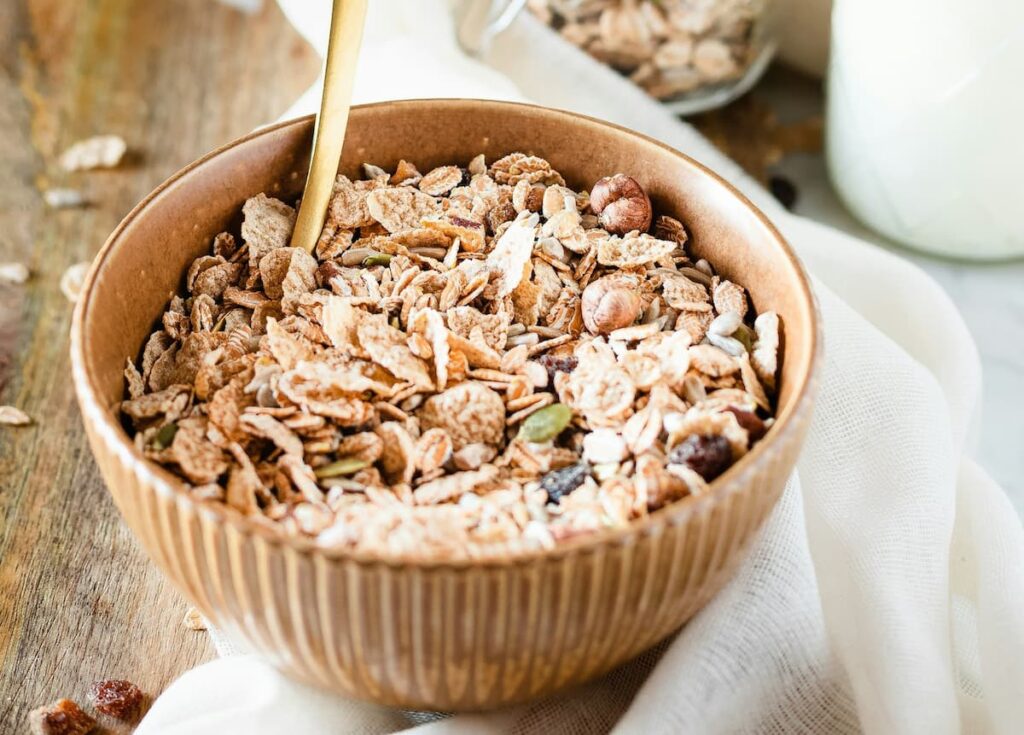
Aim for a minimum of 25–38 grams of fiber per day, as recommended by major health organizations. This can be achieved by increasing intake of vegetables, fruits, whole grains, legumes, nuts, and seeds—without cutting out foods you enjoy.
Hack 3: Use Energy Density to Your Advantage

Understanding Energy Density
Energy density refers to the number of calories per gram of food. Foods high in water and fiber tend to have low energy density, meaning they provide fewer calories per bite. Foods high in fat and sugar tend to be energy dense.
Humans tend to eat a consistent volume of food each day, regardless of calorie content. This means that choosing lower-energy-dense foods allows people to eat larger portions while consuming fewer calories, often without realizing it.
Why This Works Without Willpower
Unlike restrictive diets, reducing energy density does not rely on conscious control or hunger suppression. Instead, it aligns with natural eating behaviors.
Clinical trials show that people assigned to low-energy-density diets lose weight and improve metabolic markers while reporting higher satisfaction and less hunger than those on traditional calorie-restricted diets.
High-Volume, Low-Energy Foods
Foods that support this approach include:
- Vegetables
- Fruits
- Soups and stews
- Lean proteins
- Whole grains with high fiber content
In contrast, foods such as pastries, chips, candy, and fried items pack large amounts of energy into small volumes, making passive overconsumption more likely.
How to Apply This Hack
Rather than cutting out energy-dense foods, dilute them.
Examples:
- Add vegetables to pasta, rice, or stir-fries
- Pair higher-fat foods with large servings of vegetables
- Start meals with soup or salad
This strategy improves fullness, reduces total energy intake, and improves micronutrient intake—all without tracking calories.
Hack 4: Eat More Slowly and With Fewer Distractions
The Physiology of Eating Speed
Satiety signals take time to register. Hormones such as leptin, cholecystokinin (CCK), and GLP-1 are released during eating, but their effects are delayed.
Eating quickly can lead to consuming significantly more food before fullness signals kick in. Studies consistently show that faster eaters have higher body weight, greater waist circumference, and higher risk of metabolic syndrome.
Mindless Eating and Overconsumption
Eating while distracted—such as watching television or scrolling on a phone—reduces awareness of portion size and satiety. This often leads to increased calorie intake both during the meal and later in the day.
Laboratory studies show that distracted eating reduces memory of the meal, which increases subsequent hunger and snacking.
Chewing and Digestion
Slower eating improves digestion by increasing saliva production and enhancing nutrient absorption. It also increases diet-induced thermogenesis, meaning more calories are burned during digestion.
How to Apply This Hack
This is not about mindfulness practices or meditation. Simple mechanical changes are enough.
Practical steps:
- Put utensils down between bites
- Chew food thoroughly
- Avoid screens during meals when possible
- Allocate at least 15–20 minutes for main meals
These changes improve appetite regulation and metabolic health without altering food choices.
Hack 5: Build Meals Around Consistency, Not Perfection
Why Consistency Beats “Clean Eating”
Nutrition outcomes are driven by long-term patterns, not individual meals. Research shows that dietary consistency predicts better health outcomes than short-term adherence to strict plans.
Rigid dietary rules often lead to cycles of restriction and overeating, which are associated with increased stress, poorer metabolic health, and disordered eating behaviors.
Flexible dietary approaches, on the other hand, are associated with better psychological health, lower cortisol levels, and improved long-term adherence.
The Role of Habit Formation
Habits reduce cognitive load. When meals are consistent, food decisions require less mental effort, making healthy choices more automatic.
Studies on behavior change show that simple, repeatable routines are far more likely to persist than complex or highly restrictive plans.
Nutritional Adequacy Over Time
No single meal determines health. What matters is nutrient intake averaged over days and weeks. This perspective reduces guilt around occasional indulgences and prevents all-or-nothing thinking.

How to Apply This Hack
Focus on building a short list of reliable meals that:
- Contain protein
- Include fiber-rich foods
- Are satisfying and enjoyable
Rotate variations rather than constantly seeking novelty. Allow flexibility for social meals and preferences without labeling foods as “good” or “bad.”
Why These Hacks Work Together
These five strategies target different but complementary aspects of human physiology:
- Protein improves satiety and muscle maintenance
- Fiber stabilizes blood sugar and supports gut health
- Low energy density reduces passive overeating
- Slower eating improves appetite regulation
- Consistency supports long-term adherence
Importantly, none of these rely on restriction, calorie counting, or elimination of food groups. Instead, they leverage well-established biological mechanisms supported by decades of research.
Final Thoughts
Improving nutrition does not require dieting. It requires understanding how the body responds to food and making small, sustainable adjustments that support those responses.
The most effective nutrition plan is not the most extreme—it is the one you can maintain for years.
By prioritizing protein, increasing fiber, lowering energy density, slowing down meals, and focusing on consistency, you can improve health markers, body composition, and relationship with food—without ever going on a diet.
References
- American Journal of Clinical Nutrition. Hall, K.D. et al. (2015). Energy balance and its components: implications for body weight regulation.
- Physiology & Behavior. Weigle, D.S. et al. (2005). A high-protein diet induces sustained reductions in appetite.
- Obesity Reviews. Simpson, S.J. and Raubenheimer, D. (2005). Obesity: the protein leverage hypothesis.
- Journal of Nutrition. Layman, D.K. et al. (2015). Protein quantity and quality at levels above the RDA improves adult weight loss.
- Diabetes Care. Shukla, A.P. et al. (2015). Food order has a significant impact on postprandial glucose and insulin levels.
- Nature Reviews Endocrinology. Sonnenburg, J.L. and Bäckhed, F. (2016). Diet–microbiota interactions.
- American Journal of Clinical Nutrition. Rolls, B.J. et al. (2005). Increasing the volume of food by incorporating air affects satiety.