

New York City is one of the most dynamic fitness hubs in the world. From boutique studios to world-class powerlifting facilities, the city offers almost every training option imaginable. But one style of training continues to grow in popularity for a simple reason: it works.
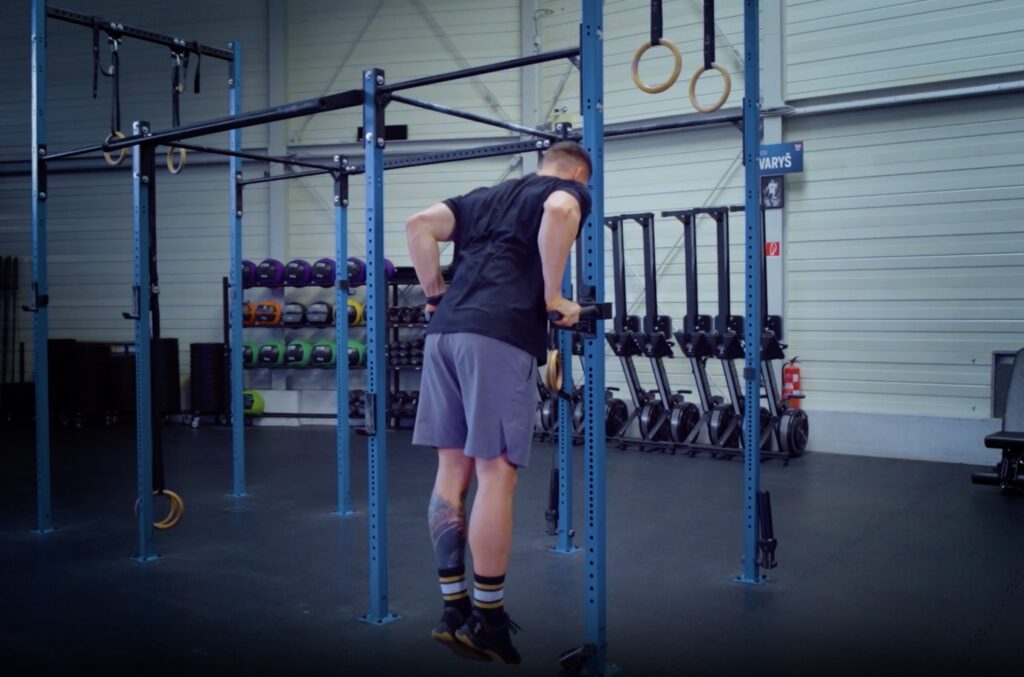
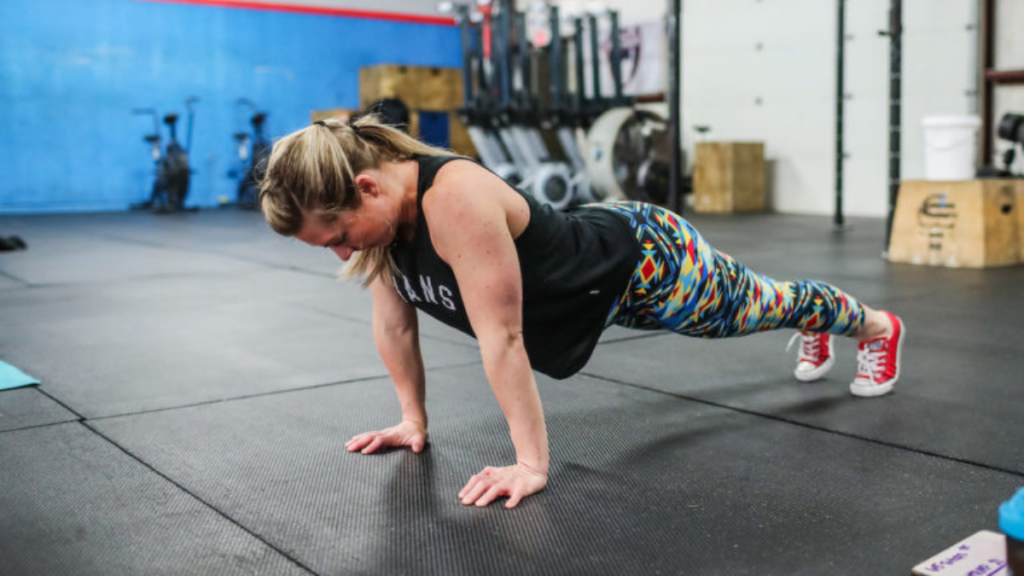
Calisthenics gyms in NYC are attracting athletes, beginners, busy professionals, and former gym-goers who want strength, mobility, and real-world performance without relying on machines. Calisthenics uses your own bodyweight as resistance. Think pull-ups, dips, push-ups, muscle-ups, levers, handstands, and controlled progressions that build strength step by step.


Beyond the aesthetics and viral street workout videos, calisthenics is backed by strong scientific evidence. Research consistently shows that bodyweight resistance training improves muscular strength, hypertrophy, coordination, joint stability, metabolic health, and even cardiovascular fitness when programmed correctly.
This article highlights three calisthenics gyms in NYC that stand out for coaching quality, community, and structured programming. Along the way, you will also learn why calisthenics is effective, who it is best for, and how to choose the right gym.
Why Calisthenics Works: The Science Behind Bodyweight Training
Before diving into the top calisthenics gyms in NYC, it is worth understanding why this style of training is so effective.
Strength Gains Comparable to Traditional Weight Training
One common myth is that you need heavy barbells to build serious strength. Research does not support that claim.
Studies show that low-load resistance training performed close to muscular failure can stimulate muscle hypertrophy comparable to high-load training. This means that bodyweight exercises, when performed with sufficient intensity, can produce similar muscle-building effects as traditional resistance training.
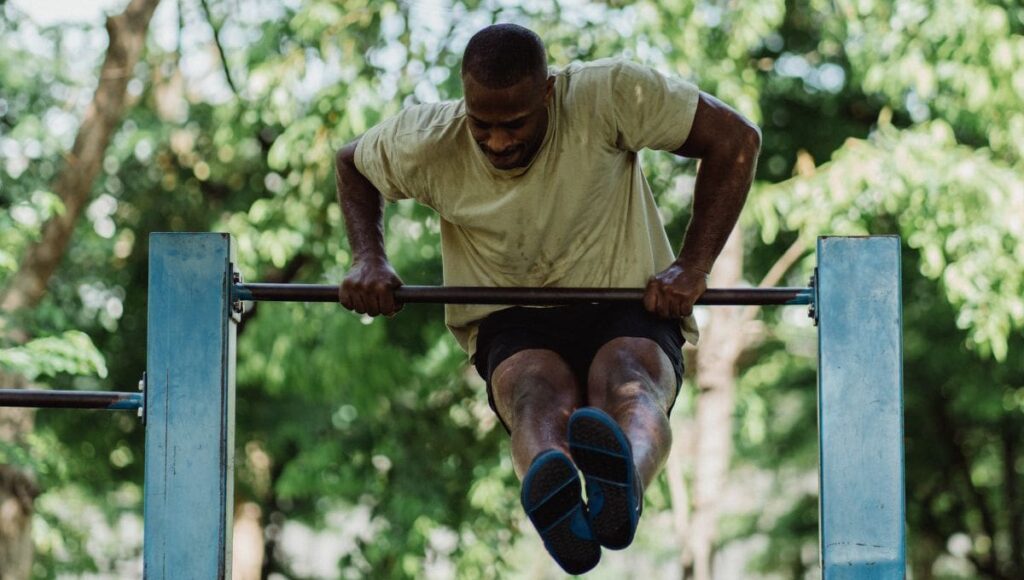
Systematic reviews comparing different resistance loads demonstrate that muscle growth occurs across a wide spectrum of loading ranges as long as sets are performed near failure. Calisthenics relies on progressive overload through leverage changes, tempo control, range of motion, and advanced variations like one-arm push-ups or weighted pull-ups.
The result? Stronger muscles without necessarily adding plates to a bar.
Improved Relative Strength
Calisthenics emphasizes relative strength — how strong you are compared to your bodyweight.
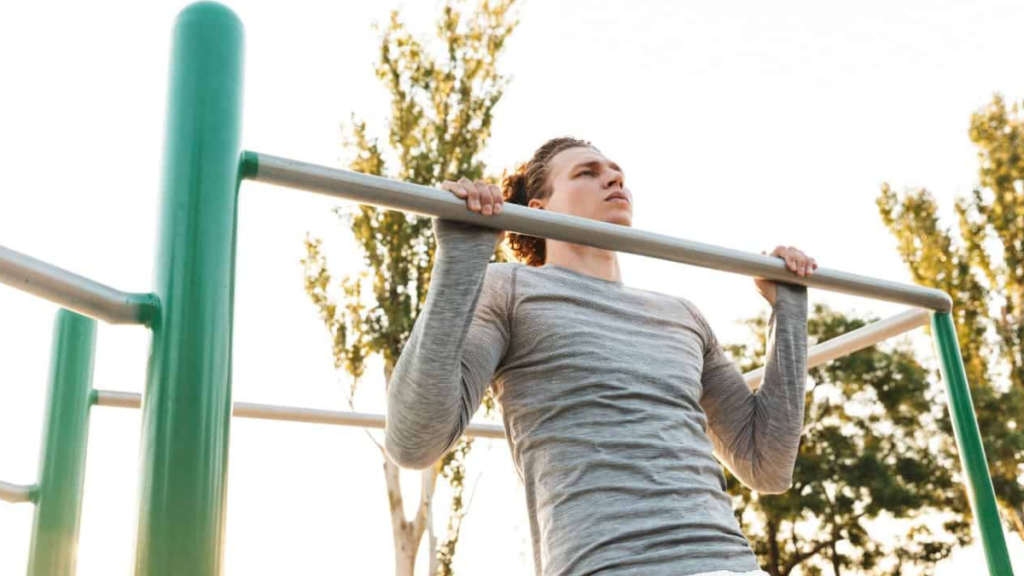
Relative strength is strongly associated with improved athletic performance, including sprinting, jumping, and agility. Bodyweight exercises demand high levels of neuromuscular coordination, motor unit recruitment, and stabilization. Pull-ups, for example, require coordinated activation of the latissimus dorsi, biceps brachii, scapular stabilizers, and core musculature.
Training that improves neural drive and intermuscular coordination leads to better overall movement efficiency.
Joint Health and Mobility
Calisthenics movements often use full ranges of motion. Deep push-ups, controlled squats, hanging work, and skill training (like handstands) encourage joint mobility and tissue resilience.
Research shows that resistance training improves tendon stiffness and structural integrity. Stronger tendons and connective tissue reduce injury risk and improve force transmission.
Additionally, full-range resistance training has been shown to produce superior strength and hypertrophy outcomes compared to partial range training.
Cardiovascular and Metabolic Benefits
High-repetition bodyweight circuits, when programmed with minimal rest, can significantly elevate heart rate. Research on circuit-style resistance training shows improvements in VO2 max, insulin sensitivity, and body composition.
That means calisthenics gyms in NYC are not just about building muscle. They also improve heart health, metabolic efficiency, and overall conditioning.
Mental Health and Cognitive Benefits
Resistance training is strongly associated with reductions in symptoms of anxiety and depression. Structured physical training increases self-efficacy, improves mood regulation, and enhances stress resilience.
Calisthenics also includes skill-based progressions. Mastering a pull-up, handstand, or front lever requires patience and focus. This goal-oriented training style reinforces intrinsic motivation and long-term adherence.
Now that the science is clear, let’s explore three calisthenics gyms in NYC that deliver results.
1. The Movement Creative (Brooklyn)
The Movement Creative, located in Williamsburg, Brooklyn, is one of the most established calisthenics-focused gyms in NYC. It combines gymnastics-inspired strength training with structured calisthenics progressions.
The gym offers group classes, skill workshops, personal training, and structured programs for beginners through advanced athletes.
Training Style
The Movement Creative emphasizes:
- Strict form
- Progressive overload using bodyweight variations
- Skill acquisition (handstands, muscle-ups, levers)
- Mobility and joint preparation
This approach aligns closely with evidence-based resistance training principles. Progressive overload is a foundational concept in strength development. Muscles adapt when mechanical tension gradually increases over time.
In calisthenics, this overload is achieved by:
- Increasing leverage difficulty
- Extending time under tension
- Reducing assistance
- Adding tempo control
- Increasing volume
Scientific literature supports time under tension and volume as key drivers of hypertrophy.
Who It’s Best For
- Beginners who want structured progressions
- Athletes transitioning from traditional gym training
- People interested in handstand and skill development
- Anyone who values strong coaching and community
Why It Stands Out Among Calisthenics Gyms in NYC
The Movement Creative prioritizes quality movement over ego lifting. Research consistently shows that supervised resistance training improves outcomes compared to unsupervised training. Coaching improves technique, adherence, and progression.
For those new to calisthenics, proper instruction reduces injury risk and accelerates progress.
2. Brooklyn Zoo NY
Overview
Brooklyn Zoo NY blends parkour, calisthenics, gymnastics, and strength training. While not exclusively a calisthenics facility, it provides an environment that supports advanced bodyweight skills and dynamic movement training.
The facility includes bars, rings, climbing structures, and open space for skill work.
Training Style
Brooklyn Zoo places strong emphasis on:
- Explosive bodyweight movements
- Plyometrics
- Climbing and grip strength
- Coordination and agility
Plyometric training is well-supported in the literature for improving power output and neuromuscular efficiency. Jump training improves rate of force development and enhances lower-body power.
Grip strength training, often overlooked, is strongly correlated with overall strength and even long-term health outcomes.
Climbing-based training also challenges the core musculature and scapular stabilizers, which play a critical role in shoulder health.
Who It’s Best For
- Intermediate to advanced calisthenics athletes
- Those interested in dynamic movement
- People who enjoy athletic, play-based training
- Individuals who want to improve power and coordination
Scientific Relevance
Explosive bodyweight work stimulates high-threshold motor units. Research shows that high-velocity resistance training improves power and functional performance.
For athletes, this type of environment provides cross-training benefits that extend beyond aesthetics.
Among calisthenics gyms in NYC, Brooklyn Zoo stands out for blending creativity with physical development.
3. Barstarzz Training Facility
Overview
Barstarzz is one of the pioneers of the street workout movement. Founded in New York, the brand helped popularize calisthenics globally.
Their training facility focuses on bar-based strength training, muscle-ups, static holds, and street workout culture.
Training Style
Barstarzz emphasizes:
- Pull-up variations
- Muscle-up progressions
- Front and back lever training
- Human flags
- Weighted calisthenics
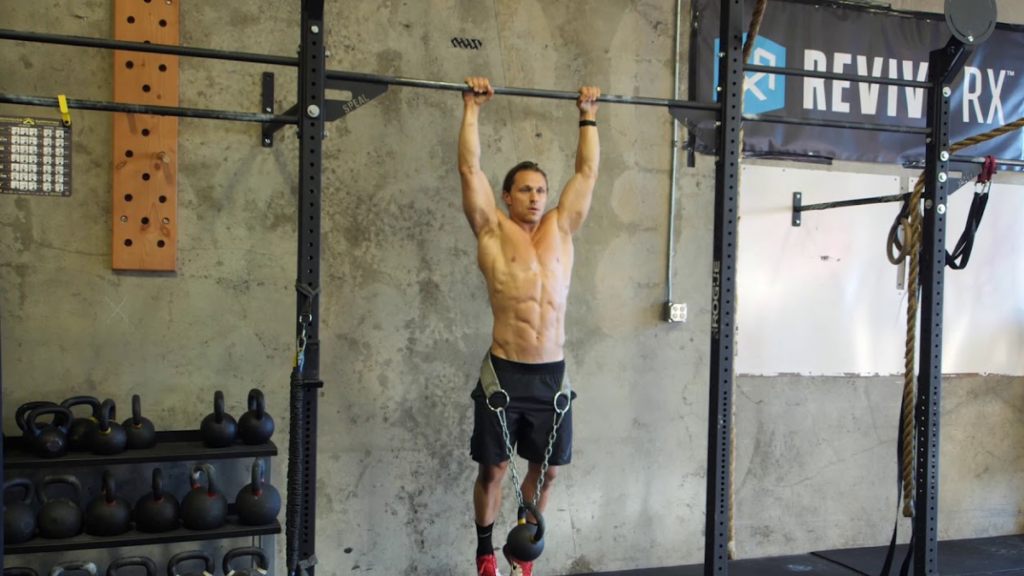
Weighted calisthenics bridges the gap between traditional strength training and bodyweight work. Adding external load to pull-ups or dips increases mechanical tension.
Mechanical tension is considered a primary driver of muscle growth. Progressive resistance leads to neuromuscular adaptations and increased cross-sectional muscle area.
Advanced static holds like front levers require tremendous core stiffness and shoulder stability. Research shows that isometric training improves joint stability and increases strength at specific joint angles.
Who It’s Best For
- Street workout enthusiasts
- Advanced trainees
- Those focused on upper-body strength
- Athletes aiming for high-level calisthenics skills
Why It Matters
Calisthenics gyms in NYC that focus on advanced skills allow trainees to continuously progress. One of the biggest predictors of long-term training adherence is skill mastery and measurable progress.
Barstarzz offers a clear ladder of progression.
How to Choose the Right Calisthenics Gym in NYC
Not all calisthenics gyms in NYC are identical. Here are science-based considerations when choosing a facility.
Coaching Quality
Supervised resistance training consistently produces better strength outcomes compared to unsupervised training. Look for:
- Structured programming
- Progressive progressions
- Individual feedback
- Injury management strategies
Progression Systems
Effective programs follow periodization principles. Periodized training has been shown to produce superior strength gains compared to non-periodized training.
Even in calisthenics, volume, intensity, and skill complexity should progress logically.
Equipment Variety
A well-equipped calisthenics gym should include:
- Pull-up bars of varying heights
- Dip bars
- Rings
- Parallettes
- Open floor space
- Assistance bands
- Optional weighted vests
Variation supports long-term progression and joint health.
Community and Adherence
Adherence is one of the strongest predictors of training success. Group-based training increases motivation and consistency.
Studies show that social support enhances exercise adherence and long-term behavioral change.
Who Should Train at Calisthenics Gyms in NYC?
Calisthenics is appropriate for:
- Beginners
- Overweight individuals
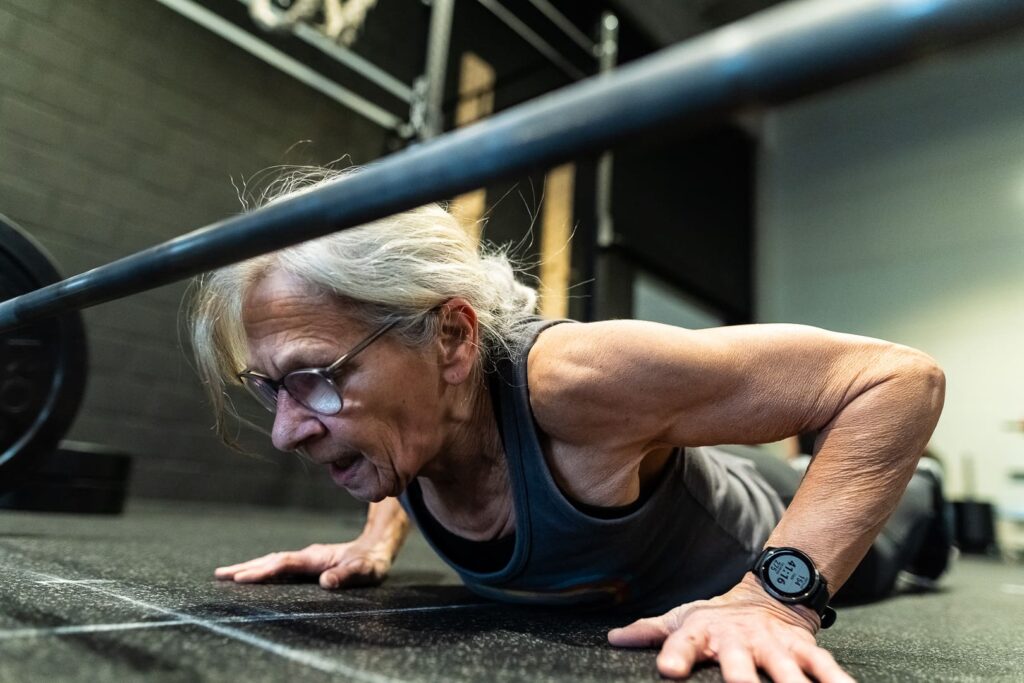
- Older adults
- Athletes
- Busy professionals
Resistance training is strongly associated with reduced all-cause mortality. It improves bone mineral density, insulin sensitivity, and metabolic health.
Even older adults benefit significantly from structured resistance training, including improvements in balance and fall prevention.
Calisthenics gyms in NYC provide scalable environments where exercises can be modified to suit any level.
Final Thoughts on Calisthenics Gyms in NYC
Calisthenics is not a trend. It is a scientifically supported training method that builds strength, muscle, mobility, coordination, and resilience.
The three calisthenics gyms in NYC highlighted here offer different styles:
- The Movement Creative focuses on structured progressions and movement quality.
- Brooklyn Zoo NY blends athleticism and dynamic movement.
- Barstarzz emphasizes advanced street workout strength.
Each approach aligns with well-established resistance training principles: progressive overload, neuromuscular adaptation, mechanical tension, and skill acquisition.
If you are looking for a training method that builds real-world strength without relying on machines, calisthenics is a powerful and evidence-based option.
Consistency, progression, and proper coaching remain the keys to success.
References
- American College of Sports Medicine (2009) ‘Progression models in resistance training for healthy adults’, Medicine & Science in Sports & Exercise, 41(3), pp. 687–708.
- Csapo, R. and Alegre, L.M. (2015) ‘Effects of resistance training with moderate vs heavy loads on muscle mass and strength’, Journal of Strength and Conditioning Research, 29(11), pp. 2954–2963.
- Grgic, J., Schoenfeld, B.J., Orazem, J. and Sabol, F. (2018) ‘Effects of resistance training performed to repetition failure or non-failure on muscular strength and hypertrophy: A systematic review and meta-analysis’, Journal of Sport and Health Science, 7(4), pp. 426–436.
- Kubo, K., Ikebukuro, T., Yata, H., Tsunoda, N. and Kanehisa, H. (2010) ‘Time course of changes in muscle and tendon properties during strength training and detraining’, Journal of Strength and Conditioning Research, 24(2), pp. 322–331.
- Schoenfeld, B.J. (2010) ‘The mechanisms of muscle hypertrophy and their application to resistance training’, Journal of Strength and Conditioning Research, 24(10), pp. 2857–2872.
- Schoenfeld, B.J., Ogborn, D. and Krieger, J.W. (2017) ‘Strength and hypertrophy adaptations between low- vs. high-load resistance training: A systematic review and meta-analysis’, Journal of Strength and Conditioning Research, 31(12), pp. 3508–3523.