

High intensity interval training, commonly known as HIIT, has become one of the most popular training methods for people who want fast, effective workouts at home. It promises improved cardiovascular fitness, fat loss, and metabolic health in a fraction of the time of traditional steady state exercise. But while HIIT is simple in concept, doing it effectively at home requires more than just going all out for a few minutes.
This article breaks down three science backed tips that will help you get the most out of your home HIIT workouts. These are not generic suggestions. Each tip is grounded in research and designed to help you train smarter, avoid burnout, and get measurable results.


What Makes HIIT So Effective?
Before diving into the tips, it is worth understanding why HIIT works so well.
HIIT involves repeated bouts of high intensity effort followed by periods of rest or low intensity recovery. These intervals stress both aerobic and anaerobic energy systems, which leads to adaptations that improve endurance, power output, and metabolic efficiency.
Research shows that HIIT can improve maximal oxygen uptake, often referred to as VO2 max, as effectively or even more effectively than moderate intensity continuous training. It can also improve insulin sensitivity, reduce body fat, and enhance mitochondrial function in muscle cells.

One of the key benefits of HIIT is efficiency. Studies consistently show that short HIIT sessions can deliver similar or superior results compared to longer steady state workouts, making it ideal for people training at home with limited time.
However, these benefits depend on doing HIIT correctly. Poor structure, lack of progression, or excessive intensity can reduce effectiveness and increase injury risk.
Tip 1: Structure Your Intervals for Maximum Adaptation
One of the biggest mistakes people make with home HIIT workouts is treating them as random bursts of effort without a clear structure. Effective HIIT relies on carefully designed work to rest ratios that target specific physiological systems.
Understanding Work to Rest Ratios
The ratio between your work interval and recovery period determines which energy systems you stress and how your body adapts.
Common evidence based structures include:
- 1:1 ratio such as 30 seconds work and 30 seconds rest
- 2:1 ratio such as 40 seconds work and 20 seconds rest
- 1:2 ratio such as 20 seconds work and 40 seconds rest
Shorter rest periods increase cardiovascular stress, while longer rest allows higher power output during work intervals.
Research has shown that intervals lasting between 30 seconds and 4 minutes at high intensity are particularly effective for improving aerobic capacity. Short sprint intervals of 10 to 30 seconds can also drive significant improvements in metabolic health.
Intensity Matters More Than Duration
For HIIT to work, the intensity of the work intervals must be high enough. Studies suggest that you need to reach at least 80 to 90 percent of your maximum heart rate during work periods to trigger meaningful adaptations.
At home, you may not have heart rate monitors, so you can use perceived exertion:
- You should feel like you cannot sustain the effort for much longer
- Breathing should be rapid and deep
- Talking should be difficult
If your intervals feel comfortable, they are not intense enough to qualify as HIIT.
Total Volume Still Counts
Even though HIIT is time efficient, total training volume still matters. Most research protocols use between 10 and 30 minutes of total work including rest periods.

A simple and effective home structure could look like this:
- Warm up for 5 minutes
- Perform 8 to 12 intervals of 30 seconds hard effort and 30 seconds rest
- Cool down for 5 minutes
This gives you a session of about 20 to 25 minutes that is supported by research.
Exercise Selection for Home HIIT
At home, your exercise options may be limited, but you can still achieve high intensity using bodyweight movements.
Effective choices include:
- Jump squats
- Burpees
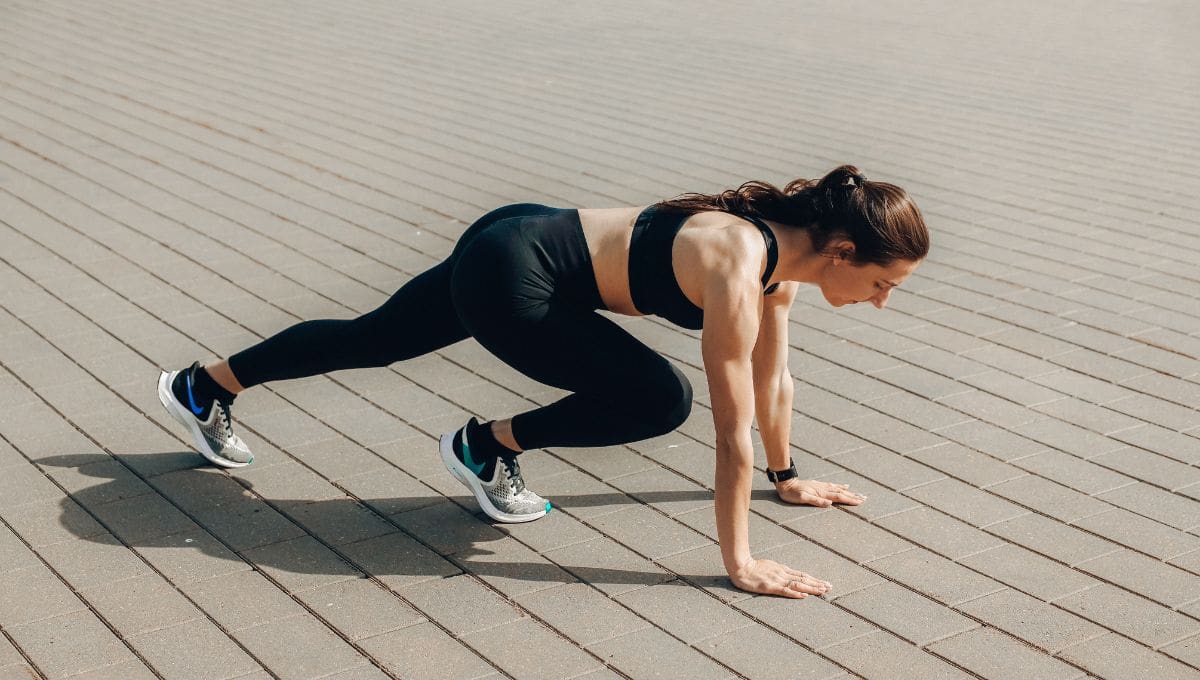
- Mountain climbers
- High knees
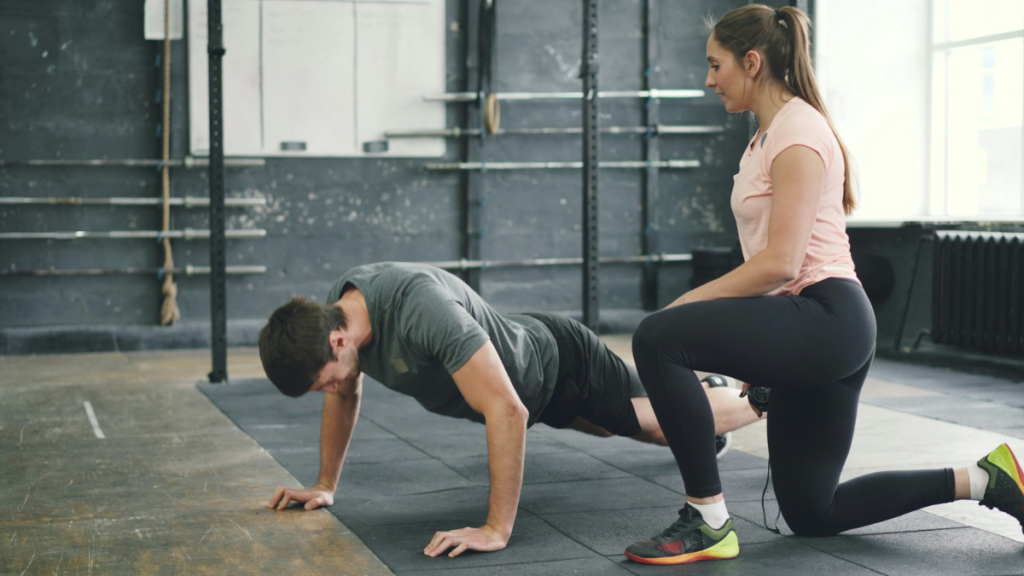
- Push ups
- Lunges
Compound movements that engage large muscle groups are more effective for raising heart rate and increasing energy expenditure.
Tip 2: Prioritize Recovery to Improve Performance and Consistency
HIIT is demanding. While that intensity drives results, it also places significant stress on your muscles, cardiovascular system, and nervous system. Without proper recovery, performance declines and injury risk increases.
Why Recovery Is Critical in HIIT
Research shows that HIIT leads to greater acute fatigue compared to moderate intensity exercise. This includes both muscular fatigue and central fatigue, which affects your nervous system.
Recovery allows your body to:
- Repair muscle tissue
- Restore glycogen stores
- Adapt to training stress
- Maintain hormonal balance
Without adequate recovery, you may experience overtraining symptoms such as persistent fatigue, reduced performance, and increased injury risk.
How Often Should You Do HIIT?
Scientific literature suggests that two to four HIIT sessions per week is optimal for most people. More frequent sessions do not necessarily lead to better results and can actually impair recovery.
For beginners, starting with two sessions per week is often sufficient. More advanced individuals can increase to three or four sessions depending on their overall training load.
Active Recovery vs Complete Rest
Recovery does not always mean doing nothing. Active recovery, which involves low intensity movement, can help improve blood flow and reduce muscle soreness.
Examples include:
- Walking
- Light cycling
- Mobility work
- Stretching

These activities promote recovery without adding significant stress.
Sleep and Nutrition Matter
Sleep plays a critical role in recovery from high intensity exercise. Studies show that sleep deprivation can impair performance, reduce reaction time, and limit recovery.
Aim for at least seven to nine hours of sleep per night to support optimal adaptation.
Nutrition is equally important. After HIIT workouts, your body needs:
- Protein to support muscle repair
- Carbohydrates to replenish glycogen stores
- Fluids to maintain hydration
Even when training at home, neglecting nutrition can limit your progress.
Tip 3: Progress Your Workouts to Keep Getting Results
One of the main reasons people stop seeing results from HIIT is a lack of progression. Doing the same workout repeatedly leads to adaptation, which reduces the stimulus for further improvement.
The Principle of Progressive Overload
Progressive overload is a fundamental concept in exercise science. It means gradually increasing the demands placed on your body to continue driving adaptation.
In the context of home HIIT, you can apply progressive overload in several ways.
Increase Intensity
You can make your workouts more challenging by increasing the intensity of each interval.
This can be done by:
- Moving faster
- Jumping higher
- Adding explosive variations
- Reducing rest time
For example, you can progress from regular squats to jump squats or from standard push ups to plyometric push ups.
Increase Volume
Another way to progress is by increasing the total amount of work you do.
This can include:
- Adding more intervals
- Extending the duration of each interval
- Increasing total workout time
Research shows that increasing training volume can lead to greater improvements in cardiovascular fitness and endurance.
Increase Complexity
As you become more experienced, you can introduce more complex movements that challenge coordination and stability.
Examples include:
- Single leg exercises
- Rotational movements
- Combination movements such as squat to press
These variations increase neuromuscular demand and can enhance overall athletic performance.
Track Your Performance
Tracking your workouts is one of the most effective ways to ensure progression.
You can track:
- Number of intervals completed
- Repetitions per interval
- Perceived effort
- Recovery time
Keeping a simple log helps you identify improvements and adjust your training accordingly.
Avoid Plateaus
Plateaus occur when your body has fully adapted to your current routine. To avoid this, change one variable at a time every few weeks.
For example:
- Week 1 to 3: 30 seconds work, 30 seconds rest
- Week 4 to 6: 40 seconds work, 20 seconds rest
- Week 7 to 9: Add more intervals or new exercises
This gradual progression keeps your workouts challenging and effective.
Common Mistakes in Home HIIT Workouts
Even with the best intentions, many people make mistakes that limit the effectiveness of their training.
Going Too Hard Too Often
HIIT is intense by design, but doing it every day can lead to burnout. Balance is key.
Ignoring Technique
Poor form increases injury risk and reduces exercise effectiveness. Focus on proper movement patterns even when fatigued.
Skipping Warm Ups and Cool Downs
A proper warm up prepares your body for high intensity effort, while a cool down helps your body return to a resting state.
Lack of Consistency
Consistency is more important than perfection. Regular training over time leads to better results than sporadic intense sessions.
Putting It All Together
An effective home HIIT routine does not require expensive equipment or complicated programming. By focusing on structure, recovery, and progression, you can create workouts that deliver real results.
Here is an example weekly plan:
- Monday: HIIT workout
- Tuesday: Active recovery
- Wednesday: HIIT workout
- Thursday: Rest or light activity
- Friday: HIIT workout
- Saturday: Active recovery
- Sunday: Rest
Each session should be structured, intense, and aligned with your current fitness level.
Conclusion
HIIT is one of the most efficient and scientifically supported ways to improve fitness at home. But effectiveness depends on how you apply it.
By structuring your intervals properly, prioritizing recovery, and progressively increasing the challenge, you can maximize results while minimizing risk.
These three tips are simple, but they are grounded in strong scientific evidence. Apply them consistently, and your home HIIT workouts will become more effective, more sustainable, and more rewarding.
References
- Gibala, M.J., Little, J.P., Macdonald, M.J. and Hawley, J.A. (2012). Physiological adaptations to low volume, high intensity interval training in health and disease. The Journal of Physiology, 590(5), pp.1077-1084.
- Weston, M., Taylor, K.L., Batterham, A.M. and Hopkins, W.G. (2014). Effects of low volume high intensity interval training on fitness in adults. British Journal of Sports Medicine, 48(16), pp.1227-1234.
- Milanović, Z., Sporiš, G. and Weston, M. (2015). Effectiveness of high intensity interval training compared to moderate intensity continuous training. Sports Medicine, 45(10), pp.1469-1481.
- Boutcher, S.H. (2011). High intensity intermittent exercise and fat loss. Journal of Obesity, 2011, pp.1-10.
- Burgomaster, K.A., Hughes, S.C., Heigenhauser, G.J., Bradwell, S.N. and Gibala, M.J. (2005). Six sessions of sprint interval training increases muscle oxidative potential. Journal of Applied Physiology, 98(6), pp.1985-1990.
- Laursen, P.B. and Jenkins, D.G. (2002). The scientific basis for high intensity interval training. Sports Medicine, 32(1), pp.53-73.
- Buchheit, M. and Laursen, P.B. (2013). High intensity interval training solutions to the programming puzzle. Sports Medicine, 43(5), pp.313-338.