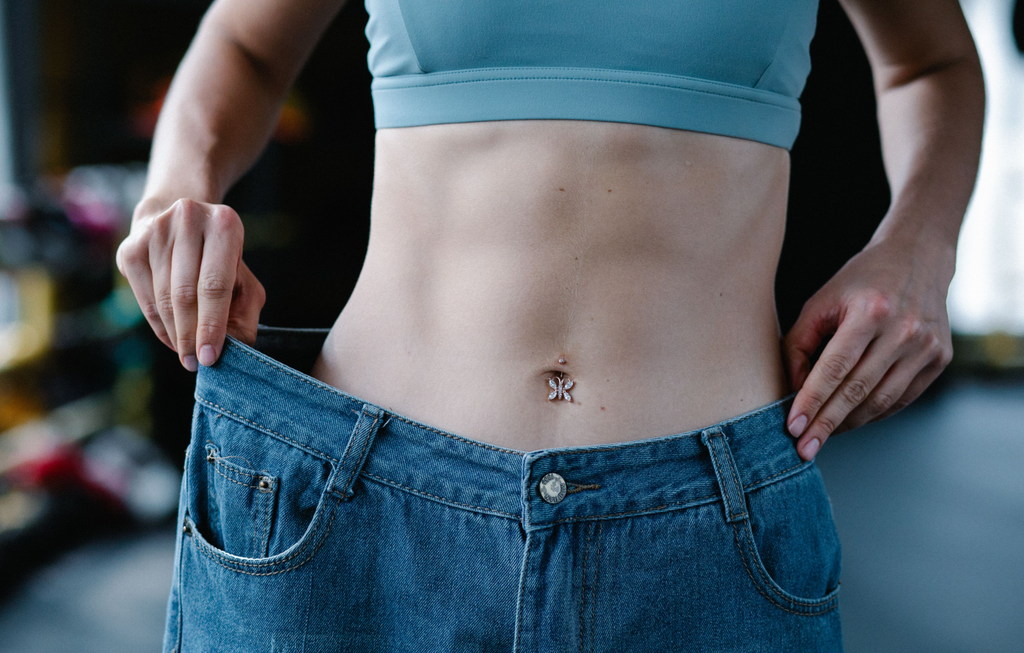


Getting leaner is often associated with strict dieting, constant hunger, and low energy. Many people assume the only way to lose fat quickly is to dramatically cut calories. That approach can work in the short term, but it often leads to muscle loss, reduced performance, and eventual weight regain.
A more effective method focuses on improving how your body uses energy while maintaining a reasonable food intake. By optimizing training, protein intake, movement, sleep, and recovery, you can create the conditions for fat loss without extreme restriction. This article explains exactly how to do that, using evidence based strategies that can deliver visible results within 30 days.


What Getting Leaner Really Means
Before discussing how to get leaner, it is important to understand what that goal actually involves. Many people focus only on the number on the scale, but that is not the most useful metric.
Fat Loss vs Weight Loss
Weight loss includes everything from water and glycogen to muscle and fat. Getting leaner specifically refers to reducing body fat while maintaining or even increasing lean muscle mass. This distinction matters because muscle tissue plays a critical role in metabolic health, physical performance, and long term weight maintenance.

When you lose weight too quickly through aggressive calorie restriction, a significant portion of that loss can come from muscle. Research shows that preserving lean mass during fat loss helps maintain metabolic rate and improves long term outcomes.
Why Extreme Dieting Backfires
When calorie intake drops too low, the body responds in predictable ways. Hunger hormones increase, satiety hormones decrease, and energy expenditure falls. These adaptations are part of a survival mechanism designed to prevent starvation.
At the same time, muscle protein breakdown increases, especially if protein intake and resistance training are insufficient. This combination makes it harder to continue losing fat and easier to regain weight once normal eating resumes.
A more moderate approach avoids these issues and produces more sustainable results.
The Core Principle: Improve Output Before Slashing Intake
Fat loss requires a calorie deficit, but that deficit does not have to come from severe food restriction. Increasing energy expenditure while maintaining adequate nutrition is often more effective.
This approach focuses on improving energy partitioning, which refers to how the body directs incoming calories. Ideally, more energy should go toward muscle repair and less toward fat storage. Resistance training, adequate protein intake, and good sleep all contribute to this process.
At the same time, increasing daily activity raises total energy expenditure. This allows you to create a meaningful deficit without drastically reducing food intake.
Strength Training: The Foundation of a Leaner Physique
Resistance training is one of the most important tools for getting lean without aggressive dieting. It not only helps burn calories but also preserves and builds muscle.
Why Resistance Training Works
Strength training increases muscle protein synthesis, which helps maintain lean mass during fat loss. It also elevates resting metabolic rate because muscle tissue requires more energy to maintain than fat tissue.
In addition, resistance training improves insulin sensitivity, meaning your body becomes more efficient at using carbohydrates for energy rather than storing them as fat.
Studies consistently show that combining resistance training with a moderate calorie deficit leads to greater fat loss and better muscle retention compared to dieting alone.
How to Train Effectively
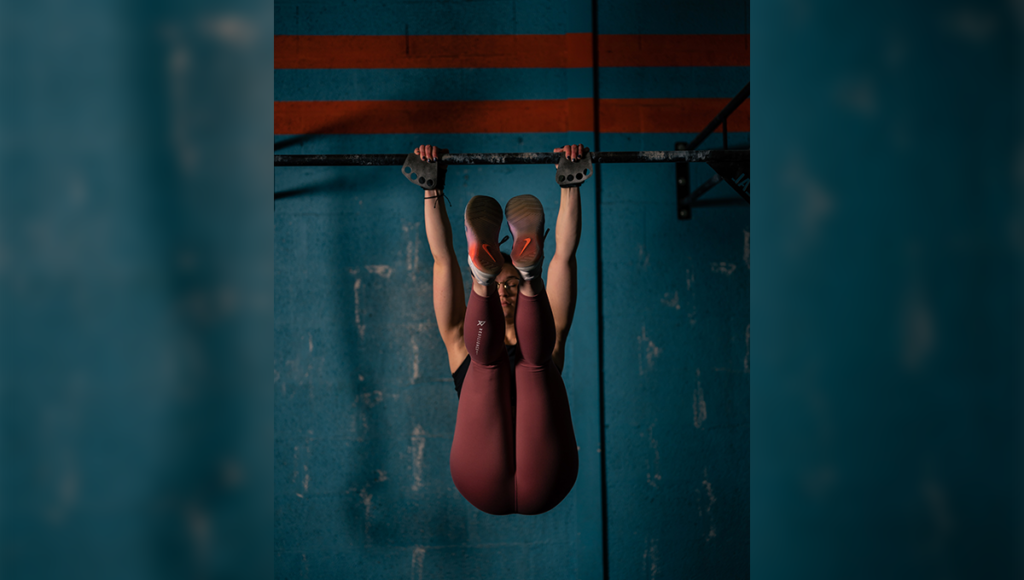
A well structured program should include compound movements that target multiple muscle groups. Exercises such as squats, deadlifts, presses, and rows provide the most benefit because they recruit a large amount of muscle mass.
Training three to five times per week is sufficient for most people. Each session should be challenging enough to stimulate adaptation, but not so exhausting that recovery becomes an issue.
Maintaining or improving strength during this period is a strong indicator that muscle mass is being preserved.
Protein Intake: The Key Nutritional Factor
If there is one nutritional variable that has the biggest impact on getting lean without cutting calories hard, it is protein intake.
Why Protein Matters
Protein plays several important roles in fat loss. It increases satiety, which helps regulate appetite without conscious calorie restriction. It also has a higher thermic effect than carbohydrates or fat, meaning the body uses more energy to digest it.
Most importantly, protein supports muscle maintenance during periods of fat loss. Without sufficient protein, the body is more likely to break down muscle tissue for energy.
How Much Protein You Need
Research suggests that a daily intake between 1.6 and 2.2 grams per kilogram of body weight is optimal for preserving muscle while losing fat. This range supports recovery from training and helps maintain a higher metabolic rate. Distributing protein evenly across meals can further enhance muscle protein synthesis throughout the day.
Daily Movement: The Overlooked Fat Loss Tool
Structured workouts are important, but they are only part of the picture. Daily movement, often referred to as non exercise activity thermogenesis, can significantly influence total energy expenditure.
Why Movement Matters
Some individuals naturally burn hundreds of extra calories per day simply by moving more. This includes walking, standing, and general activity. Research shows that higher levels of daily movement are associated with lower body fat levels, even when formal exercise is similar.
How to Increase Movement
Aiming for around 8,000 to 12,000 steps per day is a practical target for most people. This level of activity can create a meaningful calorie deficit over time without increasing fatigue or hunger significantly.
Incorporating more movement into daily routines, such as walking after meals or taking short activity breaks, can make a noticeable difference over a 30 day period.
Cardio: Use It Strategically
Cardiovascular exercise can support fat loss, but it should be used carefully. Excessive cardio can interfere with recovery and increase hunger, which makes it harder to maintain a balanced approach.
Moderate amounts of cardio are effective for increasing calorie expenditure and improving cardiovascular health. Both low intensity steady state exercise and short high intensity sessions can be useful.
Including two to four sessions per week is typically sufficient. The goal is to complement strength training, not replace it.
Meal Timing and Nutrient Distribution
While total daily intake is the most important factor, how you distribute your food can influence performance and recovery.
Eating protein at regular intervals throughout the day supports muscle protein synthesis. Consuming a combination of protein and carbohydrates before and after training helps maintain performance and improves recovery.
This approach allows you to train at a higher intensity, which contributes to better results over time.
Sleep: A Critical Factor for Fat Loss
Sleep is often underestimated, but it has a profound effect on body composition.
Hormonal Impact
Insufficient sleep disrupts hormones that regulate hunger and satiety. Levels of ghrelin increase, while leptin decreases. This combination leads to increased appetite and a higher likelihood of overeating.
Sleep deprivation also impairs insulin sensitivity, making it harder for the body to manage blood sugar effectively.

Performance and Recovery
Poor sleep reduces physical performance and slows recovery from training. Over time, this leads to lower training quality and reduced calorie expenditure.
Getting between seven and nine hours of sleep per night supports hormonal balance, recovery, and overall fat loss.
Stress Management and Its Role in Body Composition
Chronic stress can interfere with fat loss, even when diet and exercise are well controlled. Elevated cortisol levels are associated with increased fat storage, particularly in the abdominal area. Stress can also lead to emotional eating and poor sleep, both of which negatively affect body composition.
Managing stress through regular physical activity, time outdoors, and relaxation techniques helps create a more favorable environment for fat loss.
Food Quality and Appetite Control
You do not need to count every calorie to get leaner, but food choices still matter. Whole, minimally processed foods tend to be more filling and provide essential nutrients that support metabolic health. These foods help regulate appetite naturally, making it easier to maintain a moderate calorie intake without feeling deprived.
In contrast, highly processed foods are often less satisfying and easier to overeat. Reducing their intake can lead to a spontaneous decrease in calorie consumption without deliberate restriction.
Hydration and Its Subtle Effects
Hydration plays a supporting role in fat loss. Adequate water intake helps maintain metabolic function and supports physical performance.
Drinking water before meals can also reduce hunger, which may help control overall intake without conscious calorie cutting. While hydration alone will not drive fat loss, it contributes to an overall environment that supports it.
Tracking Progress Without Obsession
Relying solely on body weight can be misleading, especially when trying to preserve muscle. Changes in body composition may not always be reflected on the scale.
Measuring waist circumference, taking progress photos, and tracking strength levels provide a more complete picture. If strength is maintained or improving while body measurements decrease, it is a strong indication that fat loss is occurring.
What to Expect in 30 Days
With consistent application of these strategies, noticeable changes can occur within a month. These may include reduced body fat, improved muscle definition, and better overall energy levels.
It is important to set realistic expectations. The goal is not rapid weight loss, but meaningful improvements in body composition. A steady and sustainable approach leads to better long term results.
Common Mistakes That Slow Progress
One of the most common mistakes is eating too little. While it may seem logical to cut calories aggressively, this often leads to muscle loss and reduced metabolic rate. Another mistake is relying too heavily on cardio while neglecting strength training. Without resistance training, the body is more likely to lose muscle during weight loss.
Poor sleep and high stress levels are also major factors that can undermine progress, even when training and nutrition are well managed.
The Bottom Line
Getting leaner in 30 days without cutting calories hard is not about shortcuts. It is about using proven strategies that work with your physiology rather than against it.
By prioritizing resistance training, consuming enough protein, increasing daily movement, and supporting recovery through sleep and stress management, you can create a sustainable path to fat loss. This approach not only improves how you look, but also enhances performance and overall health.
References
- Areta, J.L. et al. (2013). Timing and distribution of protein ingestion during prolonged recovery from resistance exercise alters myofibrillar protein synthesis. Journal of Physiology.
- Hall, K.D. et al. (2016). Energy balance and its components. American Journal of Clinical Nutrition.
- Leidy, H.J. et al. (2015). The role of protein in weight loss and maintenance. American Journal of Clinical Nutrition.
- Levine, J.A. (2002). Non exercise activity thermogenesis. Proceedings of the Nutrition Society.
- Morton, R.W. et al. (2018). Protein intake to maximize resistance training induced muscle mass. British Journal of Sports Medicine.
- Schoenfeld, B.J. et al. (2016). Effects of resistance training frequency on muscle hypertrophy. Sports Medicine.