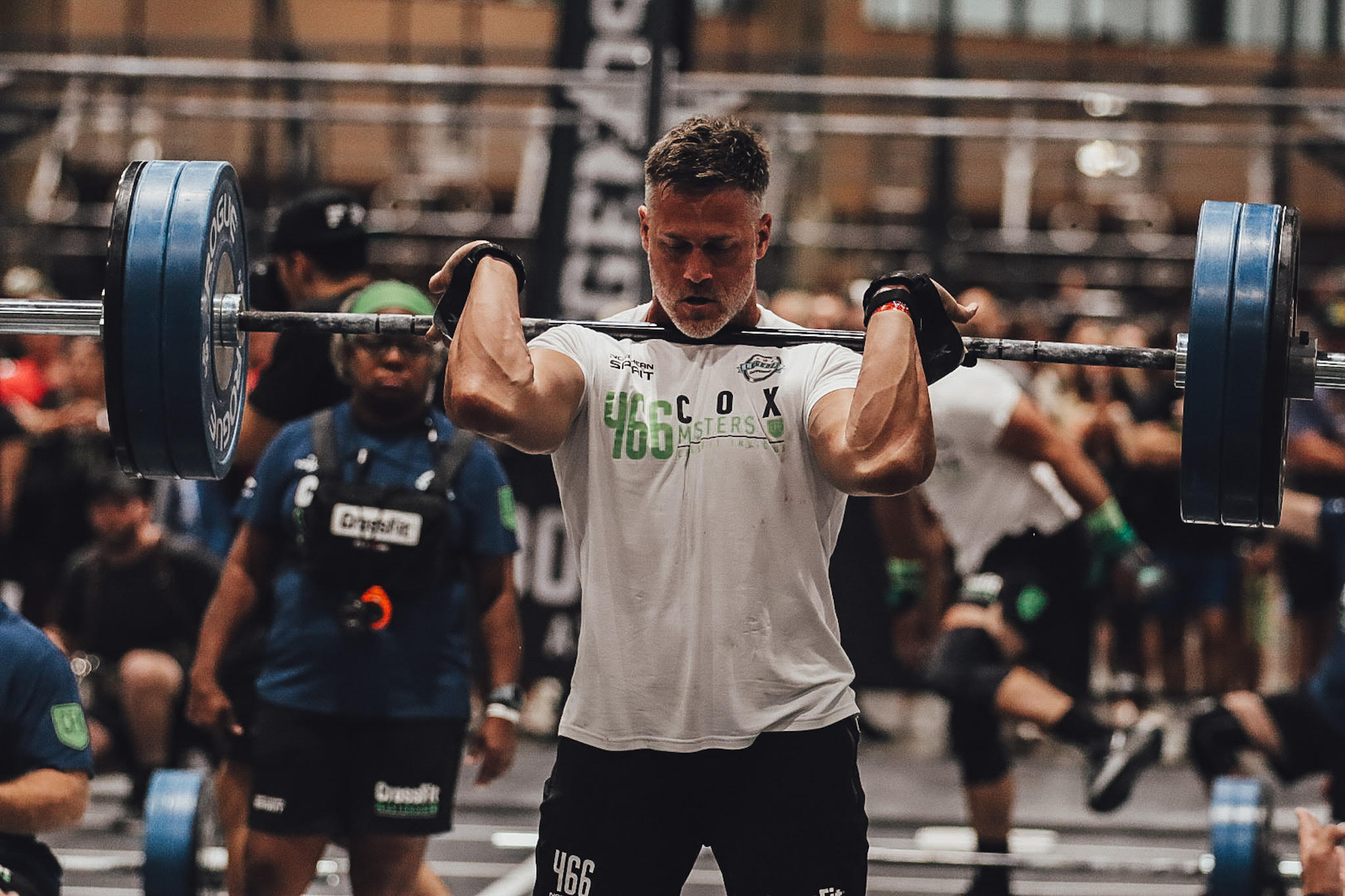


Getting older does not mean getting weaker. In fact, many athletes perform at a very high level well into their 30s, 40s, and beyond. However, training after 30 does require a smarter approach. Recovery slows slightly, muscle protein synthesis becomes less efficient, and joint stress accumulates over years of hard training. The good news is that compound exercises remain one of the most effective tools for maintaining strength, muscle mass, athletic performance, and long term health.
Compound exercises train multiple muscle groups and joints at the same time. This creates a greater training stimulus while improving coordination, balance, and movement efficiency. For athletes over 30, compound lifts are especially valuable because they provide more return from less training volume. Instead of spending hours on isolation work, a few carefully selected movements can deliver excellent results.


Research consistently shows that resistance training helps preserve lean muscle mass, bone density, hormonal health, metabolic function, and physical independence as we age. Compound lifts also improve functional strength that carries over into sports and daily life.
Why Compound Exercises Matter More After 30
After the age of 30, the body gradually begins to lose muscle mass in a process known as sarcopenia. While the decline is slow at first, inactivity accelerates the process significantly. Strength training is one of the most powerful interventions for slowing or reversing this decline.
Compound exercises offer several unique advantages for aging athletes.

Greater Muscle Recruitment
Compound lifts involve multiple joints and large muscle groups. This creates higher levels of muscular activation compared to isolation exercises. More muscle recruitment means greater strength development and improved energy expenditure.
For example, a pull up trains the back, biceps, shoulders, forearms, and core simultaneously. A bench press involves the chest, shoulders, triceps, and stabilizing muscles.
Improved Hormonal Response
Research shows that compound resistance training can stimulate anabolic hormones such as testosterone and growth hormone. While hormonal changes after 30 are normal, resistance training helps maintain a healthier anabolic environment.
Better Joint Stability
Athletes over 30 often experience joint discomfort from years of repetitive movement or previous injuries. Compound exercises strengthen surrounding musculature and connective tissue, improving joint stability and reducing injury risk when performed correctly.
Time Efficiency
Busy schedules become more common with age. Compound lifts maximize efficiency by training several muscles at once. This makes it easier to maintain consistency without spending excessive time in the gym.
Athletic Transfer
Sports performance depends on coordinated movement patterns rather than isolated muscle function. Compound exercises improve force production, stability, posture, and movement efficiency in ways that translate directly to athletic performance.
Exercise 1: Pull Ups
The pull up remains one of the best upper body exercises ever created. It develops relative strength, muscular coordination, grip strength, and shoulder stability simultaneously.
Many athletes stop prioritizing pull ups after their 20s because they become harder with age or body weight increases. That is exactly why they remain so valuable.

Why Pull Ups Matter After 30
Pull ups challenge several critical areas that often decline with aging:
- Grip strength
- Upper back strength
- Shoulder stability
- Relative bodyweight strength
- Core control
Grip strength alone has been strongly associated with overall health outcomes, longevity, and reduced risk of disability.
The pull up also strengthens postural muscles that help counteract the effects of prolonged sitting and screen time.
Muscles Worked
The pull up primarily targets:
- Latissimus dorsi
- Rhomboids
- Trapezius
- Biceps
- Rear deltoids
- Forearms
- Core musculature
Proper Pull Up Technique
To perform a strict pull up:
- Grip the bar slightly wider than shoulder width.
- Start from a dead hang with arms fully extended.
- Engage the core and pull the chest toward the bar.
- Drive elbows downward rather than pulling with the hands.
- Lower under control until arms are fully extended again.
Avoid excessive swinging or partial repetitions.
Common Mistakes
Many athletes compromise shoulder health by using poor pull up mechanics. Common issues include:
- Shrugging shoulders excessively
- Swinging the lower body
- Incomplete range of motion
- Pulling with the neck instead of the back
Controlled movement quality matters far more than repetition count.
Best Variations for Athletes Over 30
Different variations allow athletes to progress safely while minimizing joint irritation.
Assisted Pull Ups
Resistance bands or assisted machines help build strength while reducing load.
Neutral Grip Pull Ups
A neutral grip places less stress on the shoulders and elbows.
Weighted Pull Ups
Advanced athletes can add weight for continued progression.
Chin Ups
An underhand grip increases biceps involvement and may feel easier for some athletes.
Scientific Evidence Supporting Pull Ups
Research consistently shows that vertical pulling movements improve upper body strength, scapular control, and muscular endurance. Pull ups also activate stabilizing musculature around the shoulder girdle, which is essential for maintaining shoulder health with age.
Studies on resistance training in older adults demonstrate significant improvements in muscular function, posture, and functional performance from upper body pulling exercises.
Programming Recommendations
For athletes over 30:
- Train pull ups 2 to 3 times weekly
- Focus on quality repetitions
- Leave 1 to 2 reps in reserve
- Prioritize controlled eccentric lowering
Example:
- 4 sets of 5 to 8 reps
- Rest 90 to 120 seconds between sets
If strict pull ups are not yet possible, use assisted variations consistently.
Exercise 2: Bench Press
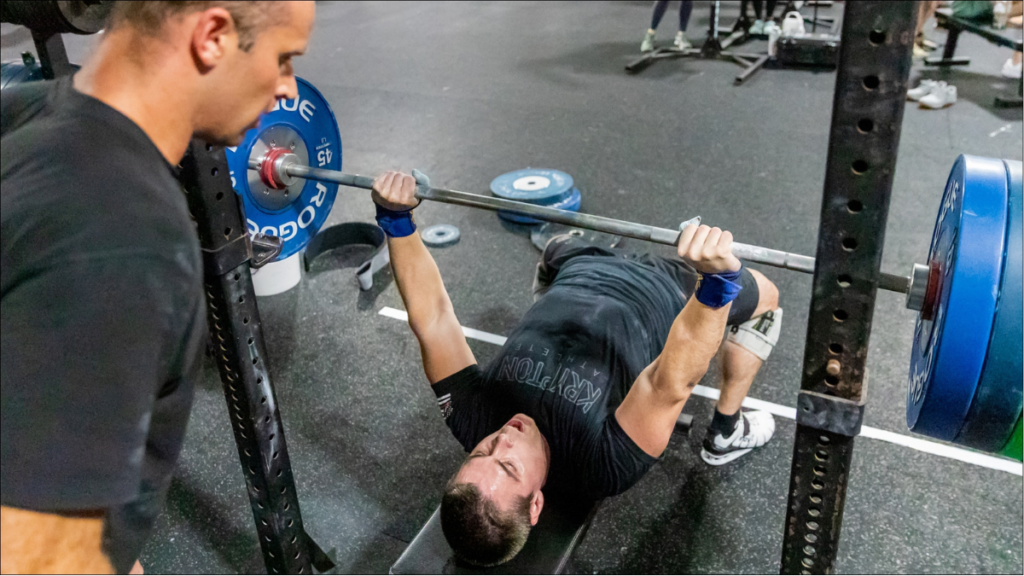
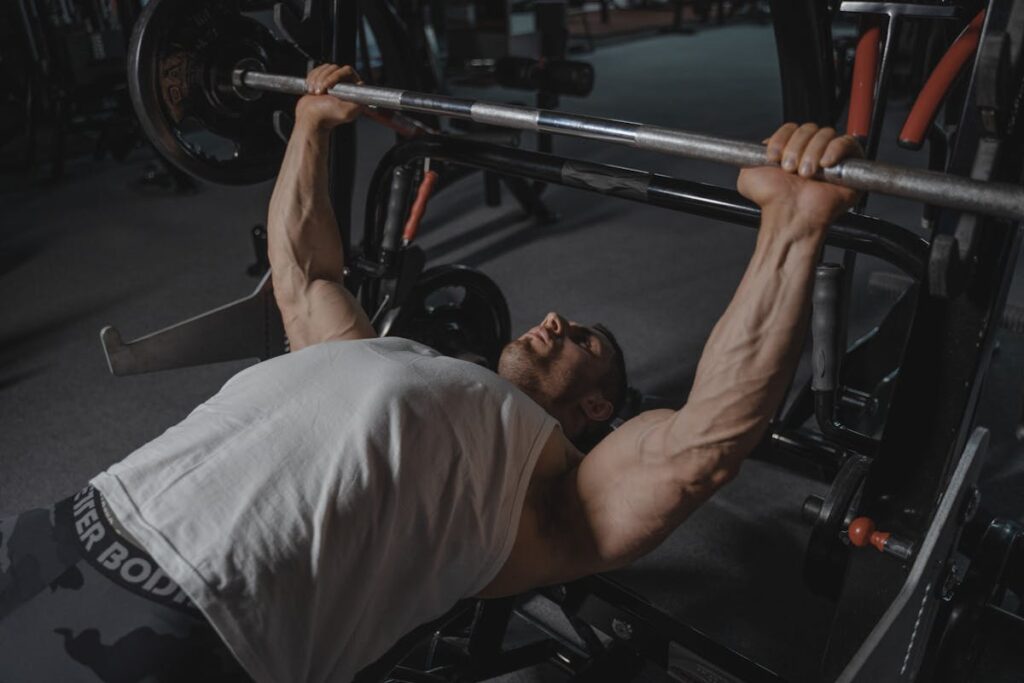
The bench press remains one of the most effective compound exercises for developing upper body pushing strength. While it sometimes receives criticism for overuse or ego lifting, proper bench pressing offers substantial benefits for athletes over 30.
The key is intelligent execution and appropriate loading.
Why the Bench Press Matters After 30
Many adults gradually lose pushing strength with age. This decline impacts sports performance, posture, and daily activities.
The bench press helps maintain:
- Upper body strength
- Bone density
- Muscle mass
- Neuromuscular coordination
- Pressing power
Research shows that resistance training involving compound pressing movements significantly improves strength and muscular preservation in aging populations.
Muscles Worked
The bench press primarily trains:
- Pectoralis major
- Anterior deltoids
- Triceps
- Serratus anterior
- Stabilizing musculature of the shoulder girdle
Proper Bench Press Technique
A technically sound bench press minimizes shoulder stress and maximizes force production.
- Lie flat with feet firmly planted.
- Maintain a slight natural arch in the lower back.
- Grip the bar slightly wider than shoulder width.
- Retract the shoulder blades.
- Lower the bar to the mid chest under control.
- Press upward while maintaining shoulder stability.
Common Bench Press Mistakes
Poor technique often leads to shoulder irritation.
Common problems include:
- Flaring elbows excessively
- Bouncing the bar off the chest
- Losing upper back tension
- Using too much weight
- Incomplete range of motion
Athletes over 30 benefit more from controlled repetitions than maximal loading.
Best Bench Press Variations
Dumbbell Bench Press
Dumbbells allow more natural shoulder movement and reduce joint stress.
Incline Bench Press
Targets the upper chest and anterior shoulders more effectively.
Neutral Grip Dumbbell Press
Excellent for athletes with shoulder discomfort.
Floor Press
Limits shoulder extension and reduces strain.
Scientific Support for Bench Press Training
Research shows that compound pressing exercises improve upper body strength and preserve lean mass during aging. Resistance training also enhances bone mineral density, which becomes increasingly important after 30.
Studies demonstrate that moderate to heavy resistance training improves functional capacity, muscle quality, and metabolic health in adults across multiple age groups.
Shoulder Health Considerations
Shoulder pain is common among aging athletes, but the bench press itself is not inherently dangerous. Problems usually arise from:
- Excessive training volume
- Poor mobility
- Imbalanced programming
- Weak upper back musculature
- Poor technique
Balancing pressing with pulling exercises significantly reduces risk.
Programming Recommendations
For long term progress:
- Train bench press 1 to 2 times weekly
- Prioritize moderate loads
- Use controlled tempo
- Avoid constant max effort training
Example:
- 4 sets of 6 to 10 reps
- Rest 2 minutes between sets
Athletes with shoulder limitations can use dumbbell or neutral grip variations successfully.
Exercise 3: Overhead Press
The overhead press may be the most underappreciated upper body compound movement for athletes over 30. It develops shoulder strength, core stability, coordination, and functional pressing power.
Unlike machine based shoulder exercises, the overhead press trains the body as an integrated system.
Why Overhead Pressing Is Essential After 30
As athletes age, shoulder mobility and stability often decline simultaneously. The overhead press helps maintain both when programmed intelligently.
Benefits include:
- Stronger shoulders
- Better posture
- Improved scapular control
- Increased core activation
- Functional overhead strength
The movement also reinforces thoracic extension, which counteracts the rounded posture associated with prolonged sitting.
Muscles Worked
The overhead press targets:
- Deltoids
- Triceps
- Upper chest
- Trapezius
- Serratus anterior
- Core stabilizers
Proper Overhead Press Technique
- Stand with feet shoulder width apart.
- Grip the bar just outside shoulder width.
- Brace the core and glutes.
- Press the bar vertically overhead.
- Move the head slightly back to allow a straight bar path.
- Lock out overhead with biceps near the ears.
- Lower under control.
Common Overhead Press Mistakes
Several technical errors increase injury risk.
These include:
- Excessive lower back arching
- Pressing in front of the body
- Weak core bracing
- Limited shoulder mobility
- Using momentum excessively
Athletes over 30 should prioritize strict form over heavy loading.
Best Overhead Press Variations
Dumbbell Overhead Press
Allows independent shoulder movement and greater range of motion.
Landmine Press
Excellent for athletes with limited shoulder mobility.
Seated Dumbbell Press
Reduces lower body involvement while improving shoulder focus.
Push Press
Useful for developing power once foundational strength exists.
Scientific Evidence for Overhead Pressing
Research supports overhead resistance training for improving shoulder stability, neuromuscular coordination, and upper body strength. Proper overhead training also strengthens stabilizing musculature that protects the shoulder joint.
Studies on aging populations show that resistance training involving multi joint movements improves movement quality, functional independence, and muscular endurance.
Mobility Requirements
Successful overhead pressing depends on:
- Thoracic mobility
- Shoulder flexion
- Scapular upward rotation
- Core stability
Athletes with mobility restrictions should address these limitations gradually rather than forcing overhead positions.
Programming Recommendations
For most athletes over 30:
- Train overhead press 1 to 2 times weekly
- Use moderate repetition ranges
- Emphasize movement quality
Example:
- 3 to 4 sets of 5 to 8 reps
- Rest 90 to 120 seconds
Landmine pressing can be an excellent alternative for athletes with shoulder restrictions.
Why Recovery Matters More After 30
Training hard is important, but recovery becomes increasingly important with age.
Athletes over 30 can still build strength and muscle effectively, but recovery capacity often changes due to:
- Increased life stress
- Reduced sleep quality
- Hormonal shifts
- Accumulated training wear
The solution is not training less. The solution is recovering smarter.
Key Recovery Strategies
Prioritize Sleep
Sleep directly impacts:
- Muscle recovery
- Hormone production
- Cognitive performance
- Injury risk
Aim for 7 to 9 hours nightly.
Eat Enough Protein
Protein intake becomes increasingly important with age due to anabolic resistance.
Research suggests athletes over 30 benefit from:
- 1.6 to 2.2 grams of protein per kilogram of bodyweight daily
Manage Training Volume
More is not always better.
Consistent moderate training often outperforms excessive high intensity programs over the long term.
Deload Regularly
Every 4 to 8 weeks, reduce training volume or intensity temporarily to facilitate recovery.
How These Exercises Improve Athletic Performance
The three exercises covered in this article provide broad athletic benefits beyond muscle growth.
Improved Force Production
Compound exercises improve the nervous system’s ability to recruit muscle fibers efficiently.
This translates to:
- Faster sprinting
- Better jumping
- More powerful striking
- Improved lifting performance
Enhanced Joint Integrity
Strengthening muscles surrounding the shoulders and spine improves movement resilience.
Better Movement Coordination
Compound lifts teach the body to function as a coordinated unit rather than isolated parts.
Increased Longevity
Research consistently links resistance training with:
- Lower mortality risk
- Better metabolic health
- Improved mobility
- Reduced injury risk
Sample Weekly Upper Body Plan for Athletes Over 30
Here is a simple structure incorporating all three movements.
Day 1
- Pull Ups: 4 sets x 6 reps
- Bench Press: 4 sets x 8 reps
- Dumbbell Rows: 3 sets x 10 reps
- Face Pulls: 3 sets x 15 reps
Day 2
- Overhead Press: 4 sets x 6 reps
- Chin Ups: 3 sets x 8 reps
- Incline Dumbbell Press: 3 sets x 10 reps
- Farmer Carries: 3 rounds
This approach balances pushing and pulling while managing joint stress.
Key Training Principles for Athletes Over 30
The exercises matter, but execution matters more.
Focus on Consistency
Long term consistency beats short bursts of extreme effort.
Train Hard But Not Recklessly
Leave ego lifting behind. Progress comes from intelligent overload.
Warm Up Properly
Aging athletes generally benefit from longer warm ups that include:
- Dynamic mobility
- Activation work
- Gradual loading
Maintain Mobility
Strength without mobility eventually creates movement limitations.
Listen to Pain Signals
Discomfort and fatigue are normal. Sharp pain is not.
Modify movements when needed rather than pushing through injury.
Final Thoughts
Aging does not eliminate athletic potential. In many cases, athletes over 30 can continue building strength, muscle, and performance for decades with the right approach.
Pull ups, bench presses, and overhead presses remain three of the most effective upper body compound exercises available because they develop strength, stability, coordination, and resilience simultaneously.
These movements also provide exceptional efficiency. They train multiple muscle groups at once, improve athletic function, and help preserve the qualities most associated with long term health and performance.
The key is intelligent programming. Prioritize quality movement, consistent progression, and adequate recovery. Avoid excessive volume and focus on sustainable training habits.
Athletes who continue strength training after 30 are investing not only in performance, but also in long term physical independence and quality of life.
Key Takeaways Table
| Exercise | Main Benefits | Key Muscles Worked | Best Variation for Joint Health | Recommended Reps |
|---|---|---|---|---|
| Pull Ups | Improves relative strength, posture, grip strength, and shoulder stability | Lats, biceps, upper back, core | Neutral grip pull ups | 5 to 8 reps |
| Bench Press | Builds upper body pushing strength and muscle mass | Chest, shoulders, triceps | Dumbbell bench press | 6 to 10 reps |
| Overhead Press | Develops shoulder strength, posture, and core stability | Deltoids, triceps, upper chest, core | Landmine press | 5 to 8 reps |
References
- American College of Sports Medicine. (2009) ‘Progression Models in Resistance Training for Healthy Adults’, Medicine and Science in Sports and Exercise, 41(3), pp. 687 to 708.
- Fragala, M.S., Cadore, E.L., Dorgo, S., Izquierdo, M., Kraemer, W.J., Peterson, M.D. and Ryan, E.D. (2019) ‘Resistance Training for Older Adults: Position Statement From the National Strength and Conditioning Association’, Journal of Strength and Conditioning Research, 33(8), pp. 2019 to 2052.
- Granacher, U., Gruber, M. and Gollhofer, A. (2009) ‘Resistance Training and Neuromuscular Performance in Seniors’, Exercise and Sport Sciences Reviews, 37(2), pp. 62 to 67.
- Grgic, J., Schoenfeld, B.J., Orazem, J. and Sabol, F. (2020) ‘Effects of Resistance Training Performed to Repetition Failure or Non Failure on Muscular Strength and Hypertrophy: A Systematic Review and Meta Analysis’, Journal of Sport and Health Science, 10(2), pp. 202 to 211.