

Strong abs are not just about aesthetics. After 40, core training becomes one of the most important parts of maintaining strength, mobility, posture, athletic performance, and long term health. A strong core helps stabilize the spine, protects the lower back, improves balance, and supports nearly every movement you perform inside and outside the gym.
Unfortunately, many men continue training abs the same way they did in their twenties. Endless crunches, random circuits, and high volume bodyweight workouts often create more strain than results. Recovery changes with age, joints become less forgiving, and poor movement habits accumulated over decades can make certain exercises problematic.


The good news is that men over 40 can still build impressive core strength, visible abs, and athletic performance. In many cases, smarter training produces better results than the high intensity workouts younger athletes rely on. This approach builds a stronger and leaner midsection while reducing injury risk and improving overall movement quality.
Why Core Training Changes After 40
After age 30, muscle mass gradually declines in a process known as sarcopenia. Testosterone levels may slowly decrease, recovery becomes less efficient, and many men become more sedentary because of work and family responsibilities.
Research consistently shows that resistance training remains highly effective for preserving muscle mass and physical performance as men age. Core training plays a major role because the trunk muscles stabilize the body during almost every movement pattern. The core is not just the six pack. It includes a complex network of muscles that work together to protect the spine and transfer force efficiently. Key muscles include:
• Rectus abdominis
• Transverse abdominis
• Internal and external obliques
• Erector spinae
• Multifidus
• Diaphragm
• Glutes and hip stabilizers
A weak or poorly functioning core can contribute to lower back pain, poor posture, reduced athletic performance, and instability during lifting or daily activities.

Studies have shown that targeted core training can improve balance, posture, spinal stability, and movement efficiency in older adults and athletes alike.
The Biggest Ab Training Mistakes Men Over 40 Make
Many abdominal workouts fail because they focus on fatigue instead of function. Men over 40 often benefit more from quality movement than sheer exercise volume.
Too Many Crunches
Crunches became popular because they create a strong muscular burn. However, excessive spinal flexion may place unnecessary stress on the lower back, especially in men who already spend long hours sitting. Crunches are not inherently dangerous, but relying on them as the foundation of an ab program is outdated.
Ignoring Core Stability
One of the main functions of the core is resisting movement. Your trunk stabilizes the spine during lifting, walking, carrying, sprinting, and rotational movement. Exercises that train anti rotation, anti extension, and anti lateral flexion often provide greater long term benefits than repetitive sit ups.
Training Abs Every Day
The abdominal muscles recover like any other muscle group. Constant high volume ab training can interfere with recovery and increase soreness or irritation. Most men over 40 respond best to focused core sessions two to four times per week.
Using High Impact Exercises Excessively
Explosive twisting drills and repetitive jumping movements may increase stress on aging joints and connective tissue. There is nothing wrong with athletic movement after 40, but exercise selection matters. Controlled resistance training usually delivers better long term results than random high intensity circuits.
What the Best Ab Workout for Men Over 40 Should Include
An effective core program should train multiple functions of the trunk.
Anti Extension
These exercises teach the core to resist excessive arching of the lower back. Examples include:
• Planks
• Ab wheel rollouts
• Dead bugs
Anti Rotation
These movements improve stability and protect the spine during rotational force. Examples include:
• Pallof presses
• Bird dogs
• Single arm carries
Controlled Flexion
Some spinal flexion exercises can still be useful when performed properly and in moderation. Examples include:
• Reverse crunches
• Hanging knee raises
• Stability ball crunches
Hip and Glute Integration
The glutes and hips work closely with the core. Weak glutes often contribute to lower back stress and poor movement mechanics. Examples include:
• Glute bridges
• Farmer carries
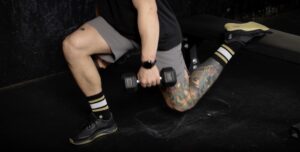
• Split squats
The Science Behind Core Stability Training
Research has increasingly shifted toward core stability rather than endless spinal flexion exercises. Studies from spine researcher Stuart McGill have shown that endurance and stability of the core musculature play a major role in reducing back pain and improving spinal resilience.
Other research has demonstrated that exercises emphasizing trunk stability can improve athletic performance and movement efficiency while reducing unnecessary spinal loading. The transverse abdominis is especially important. This deep abdominal muscle acts like a natural weight belt around the spine. Proper core training activates this muscle to create stability and improve force transfer. Exercises that train the core to resist movement often create better functional carryover than exercises based solely on spinal bending.

The Best Ab Workout for Men Over 40
This workout is designed to improve core strength, posture, stability, and muscular endurance while minimizing unnecessary joint stress. Perform this workout two to three times per week on non consecutive days.
Warm Up
Before training the core, prepare the hips, spine, and shoulders with light mobility work.
Cat Camel
Perform 8 to 10 slow repetitions. This movement improves spinal mobility and prepares the trunk for exercise.
Glute Bridge
Perform 2 sets of 10 repetitions. Focus on squeezing the glutes at the top without arching the lower back.
Dead Bug
Perform 2 sets of 8 repetitions per side. Move slowly and keep the lower back pressed gently into the floor.
Main Workout
Front Plank

Sets: 3
Time: 30 to 45 seconds
The plank remains one of the best core exercises when performed correctly.
Focus on:
• Keeping the ribs down
• Squeezing the glutes
• Maintaining a neutral spine
• Breathing steadily
Avoid allowing the hips to sag or the lower back to arch excessively.
Side Plank
Sets: 3 per side
Time: 20 to 40 seconds
The side plank trains the obliques and improves lateral stability. Research shows that side planks strongly activate the quadratus lumborum and oblique muscles while placing relatively low stress on the spine.
Pallof Press
Sets: 3
Reps: 10 to 12 per side
The Pallof press is one of the best anti rotation exercises available. Using a cable or resistance band, press the handle away from the chest while resisting rotational pull. Move slowly and maintain posture throughout the movement.
Bird Dog
Sets: 3
Reps: 8 per side
The bird dog improves spinal stability and coordination. Focus on controlled movement rather than speed. Avoid excessive lower back rotation.
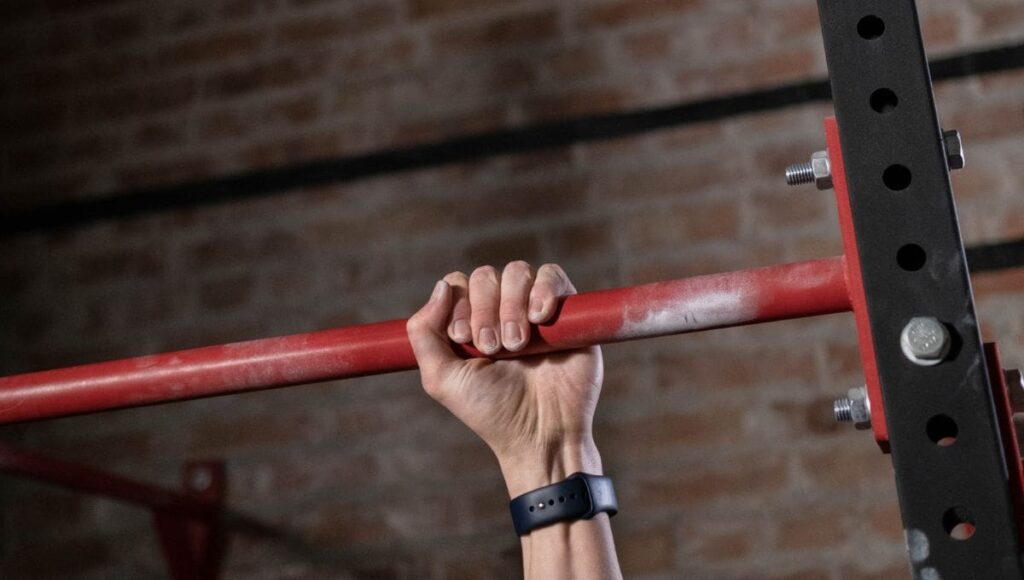
Hanging Knee Raise
Sets: 3
Reps: 10 to 15
This exercise trains the lower abdominal region and hip flexors while improving trunk control. If hanging raises are too difficult, substitute lying reverse crunches.
Farmer Carry
Sets: 4
Distance: 30 to 40 yards
Farmer carries are one of the most underrated core exercises for men over 40. Carrying heavy weights while maintaining posture trains the entire trunk, grip, shoulders, and hips simultaneously. Research shows loaded carries significantly increase trunk muscle activation and improve functional strength.
Ab Wheel Rollout
Sets: 2 to 3
Reps: 6 to 10
The ab wheel rollout is an advanced anti extension exercise that strongly activates the rectus abdominis and deep core musculature. Start from the knees and progress slowly. If this movement irritates the lower back, reduce the range of motion or substitute stability ball rollouts.
Why This Workout Works
This routine works because it trains the core the way the body actually functions. Instead of relying on endless crunches, it develops:
• Stability
• Bracing strength
• Rotational control
• Postural endurance
• Athletic movement capacity
The exercises also minimize unnecessary spinal stress while targeting the entire trunk. This becomes increasingly important with age because spinal discs, connective tissue, and joints tolerate poor mechanics less effectively than they did decades earlier.
Nutrition Matters More Than Most Ab Workouts
One of the biggest misconceptions in fitness is the idea that ab exercises alone create visible abs. Body fat levels determine abdominal visibility far more than high repetition core training. Research consistently shows that spot reduction does not work. Training the abs does not selectively burn belly fat.

Men over 40 often become more insulin resistant and may experience hormonal changes that increase fat storage around the waistline. Nutrition becomes increasingly important for maintaining a lean midsection. Key nutritional priorities include:
Prioritize Protein
Higher protein intake supports muscle retention and recovery during aging. Research suggests older adults may benefit from higher protein intake than younger individuals due to anabolic resistance. Good protein sources include:
• Lean meat
• Fish
• Eggs
• Greek yogurt
• Whey protein
• Cottage cheese
Control Total Calories
Even the best ab workout cannot overcome chronic overeating. Maintaining a modest calorie deficit is usually necessary for fat loss.
Eat More Fiber
Higher fiber intake improves satiety, digestive health, and blood sugar regulation.
Limit Ultra Processed Foods
Highly processed foods are strongly associated with increased calorie intake and body fat accumulation.
The Role of Strength Training
Men over 40 should not isolate core training from full body strength work. Compound exercises remain some of the best abdominal exercises available because they require the trunk to stabilize heavy loads. Excellent compound movements for core development include:
• Squats
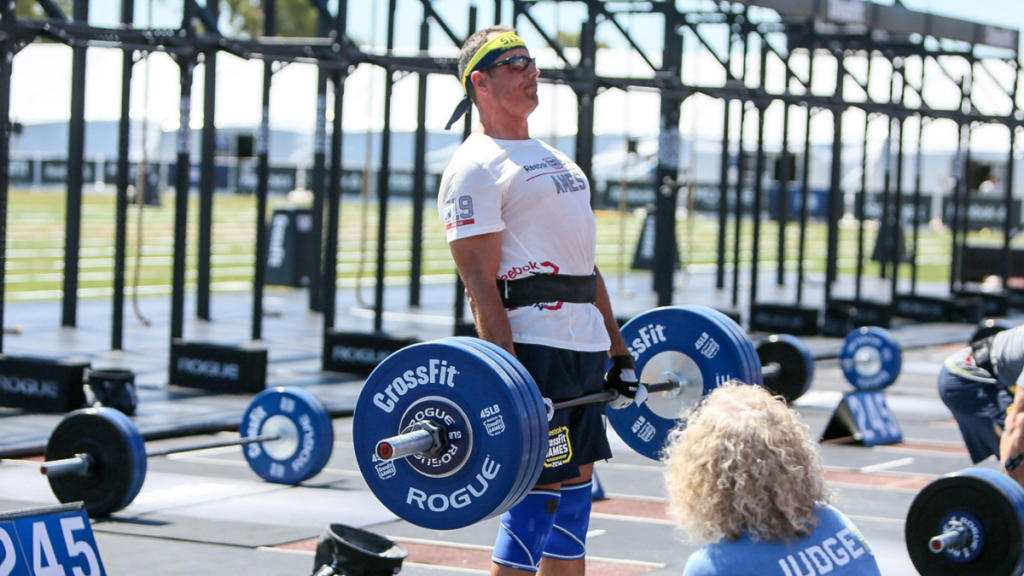
• Deadlifts
• Pull ups
• Overhead presses
• Lunges
• Loaded carries
Research shows free weight exercises produce significant activation of the abdominal and spinal stabilizing muscles. A strong overall physique supports a stronger and more functional core.
Key Takeaways
| Goal | Best Strategy |
|---|---|
| Improve core strength | Focus on stability based exercises |
| Reduce back pain risk | Train anti rotation and anti extension movements |
| Build visible abs | Combine training with calorie control and high protein intake |
| Protect joints | Avoid excessive high impact ab circuits |
| Improve posture | Strengthen deep core and glute muscles |
| Increase athletic performance | Use compound lifts and loaded carries |
| Support longevity | Prioritize consistency and recovery |