A wide upper body with broad shoulders, well developed lats, and a narrow looking waist has long been associated with strength, athleticism, and physical attractiveness. This look is commonly called the V shaped torso. While genetics influence shoulder width and bone structure, your training has a major impact on how pronounced this shape becomes.
Many beginners assume they need a gym membership or expensive equipment to build an impressive upper body. Fortunately, that is not true. Several bodyweight exercises effectively develop the muscles responsible for creating the V taper while also improving overall strength, posture, and athletic performance.


The key muscles include the latissimus dorsi, deltoids, upper chest, serratus anterior, and core. Together, these muscles create the illusion of broader shoulders and a tighter waist. Research consistently shows that bodyweight resistance training can produce significant improvements in muscle size and strength when exercises are performed with sufficient intensity and progressive overload.
Here are three of the best beginner bodyweight exercises that will help build a stronger, wider, and more muscular upper body.
Why the V Shape Matters
The V shaped torso is more than an aesthetic goal. Building these muscles also improves posture, shoulder stability, athletic performance, and functional strength.
Strong lats help with pulling movements, climbing, swimming, and lifting. Well developed shoulders improve pressing strength and reduce injury risk during sports. A stronger core improves force transfer between the upper and lower body while helping maintain spinal stability.
3 Best Beginner Exercises for Ripped and Attractive Abs
Research also shows that increasing upper body muscle mass improves insulin sensitivity, metabolic health, and overall physical function throughout life.
The Science Behind Bodyweight Muscle Growth
One of the biggest misconceptions is that heavy weights are essential for hypertrophy. Numerous studies have shown that muscle growth depends primarily on mechanical tension, adequate training volume, and training close to muscular failure rather than simply lifting heavy loads. Bodyweight exercises can satisfy these requirements by manipulating leverage, repetitions, tempo, and range of motion.
Research comparing low load and high load resistance training has repeatedly found similar hypertrophy outcomes when sets are taken close to failure. This makes bodyweight training especially valuable for beginners because it allows gradual progression while teaching movement quality and joint control before external weights are introduced.
Exercise 1: Pull Ups or Assisted Pull Ups
Why Pull Ups Build the Ultimate V Shape
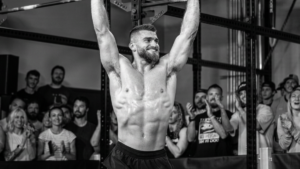
If there is one exercise that defines an impressive upper body, it is the pull up. Pull ups heavily recruit the latissimus dorsi, which are the largest muscles of the upper back. As these muscles grow, they create the appearance of greater width beneath the shoulders, producing the classic V taper.
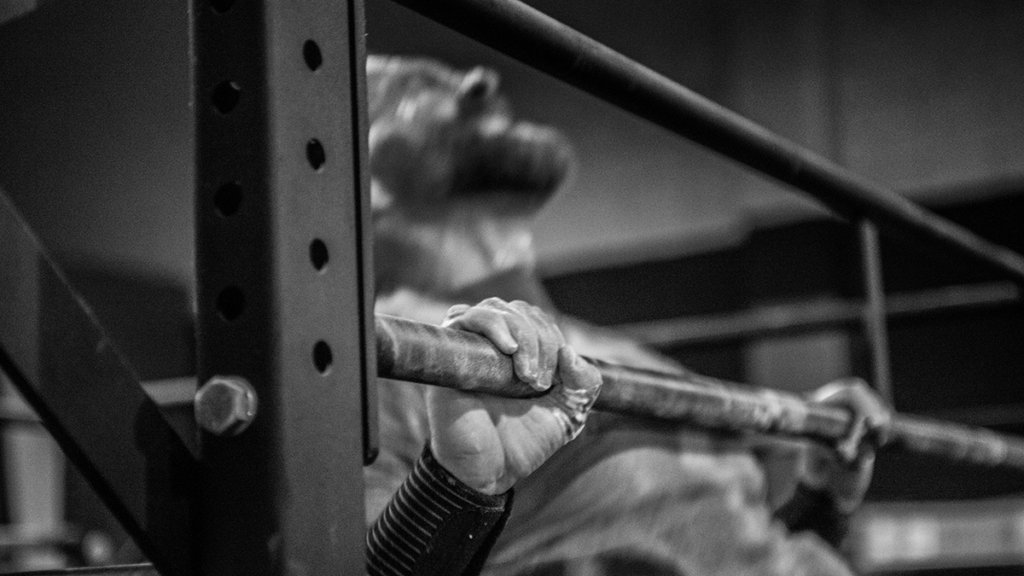
Electromyography studies consistently rank pull ups among the highest activation exercises for the lats. They also strongly recruit the lower trapezius, rhomboids, rear deltoids, biceps, forearms, and core.
Beginners who cannot yet perform a full pull up should start with assisted variations using resistance bands or an assisted pull up machine if available. Negative repetitions are another excellent option because they build strength throughout the movement.
How to Perform Pull Ups
- Grip the bar slightly wider than shoulder width.
- Hang with straight arms while keeping the shoulders active rather than completely relaxed.
- Pull the elbows toward your ribs while driving your chest toward the bar.
- Pause briefly at the top.
- Lower under control until your arms are fully extended.
- Avoid swinging or using momentum.
Beginner Progression
If you cannot perform one pull up yet, begin with dead hangs to strengthen the grip and shoulders. Next, practice controlled negatives by jumping to the top position and lowering yourself slowly over three to five seconds. Band assisted pull ups allow additional repetitions while maintaining proper movement mechanics. Aim to gradually reduce assistance until you perform full bodyweight repetitions.
Muscles Worked
The primary muscles include the latissimus dorsi, teres major, biceps brachii, brachialis, brachioradialis, lower trapezius, rhomboids, posterior deltoids, and core stabilizers.
Exercise 2: Push Ups

Why Push Ups Are Essential
Although push ups are commonly associated with chest development, they also contribute significantly to creating a V shaped torso. Well developed upper chest, shoulders, and serratus anterior increase upper body width while improving muscular definition across the rib cage.
The serratus anterior deserves special attention because it creates the distinctive muscle lines running along the sides of the ribs that many athletes display. This muscle also plays a critical role in shoulder health by stabilizing the scapula during pressing movements. Research shows that standard push ups generate muscle activation levels similar to moderate intensity bench pressing in trained individuals.
Push ups also strengthen the triceps and improve core stability because the body must remain rigid throughout the movement.
How to Perform Push Ups
- Place your hands slightly wider than shoulder width.
- Maintain a straight line from your head to your heels.
- Brace your core and squeeze your glutes.
- Lower until your chest nearly reaches the floor.
- Push forcefully back to the starting position.
- Do not allow your hips to sag or your elbows to flare excessively.
Beginner Progression
Wall push ups are an excellent starting point. Once comfortable, move to incline push ups using a sturdy bench or countertop. Progress to knee push ups if needed before performing full push ups on the floor. Eventually increase difficulty by elevating the feet or slowing the lowering phase.
Muscles Worked
Push ups primarily target the pectoralis major, anterior deltoids, triceps brachii, serratus anterior, rectus abdominis, transverse abdominis, and obliques.
Exercise 3: Pike Push Ups
Why Pike Push Ups Build Broad Shoulders
Wide shoulders are one of the defining characteristics of an attractive V taper. The pike push up shifts much of the workload from the chest toward the shoulders, particularly the anterior and lateral deltoids.
Unlike standard push ups, the body position more closely resembles an overhead press. This movement pattern develops shoulder size while improving overhead strength and shoulder mobility. As strength improves, pike push ups serve as an excellent stepping stone toward handstand push ups. Electromyography studies demonstrate that shoulder activation increases substantially as the torso becomes more vertical during pressing exercises.
How to Perform Pike Push Ups
- Begin in a high plank.
- Walk your feet toward your hands until your hips are elevated.
- Your body should resemble an inverted V.
- Keep your elbows angled roughly forty five degrees.
- Lower the top of your head toward the floor.
- Press back to the starting position.
- Focus on pushing through the shoulders rather than relying solely on the chest.
Beginner Progression
Reduce the angle by placing your hands on an elevated surface. Gradually increase hip height as strength improves. Eventually elevate your feet to increase shoulder loading.
Muscles Worked
The primary muscles include the anterior deltoids, lateral deltoids, upper trapezius, triceps, upper chest, serratus anterior, and core stabilizers.
How Often Should Beginners Train?
Most beginners achieve excellent progress by training these exercises two to three times per week. Each workout should include three to four sets of each exercise. Aim for six to fifteen repetitions depending on the exercise and your current ability.
The final repetitions should feel challenging while maintaining excellent technique. As strength improves, increase repetitions, reduce assistance, slow the lowering phase, or progress to more difficult exercise variations. Consistent progression remains the primary driver of long term muscle growth.
Building the Complete V Shape
These three exercises complement one another exceptionally well.
- Pull ups build the wide back that defines the V taper.
- Push ups develop the chest and serratus while improving overall upper body mass.
- Pike push ups add shoulder width that enhances the illusion of a narrower waist.
Combined with proper nutrition, adequate protein intake, progressive overload, and consistent training, these movements provide nearly everything a beginner needs to build an athletic, muscular upper body without using weights.
The V shaped torso is ultimately the result of patient, consistent work. Beginners who master these foundational exercises develop not only an impressive physique but also the strength and movement quality that support more advanced training in the future.
Key Takeaways
| Exercise | Primary Benefit | Main Muscles | Beginner Progression |
|---|---|---|---|
| Pull Ups | Builds upper back width and V taper | Latissimus dorsi, biceps, rear deltoids, lower traps | Dead hangs, negatives, band assisted pull ups |
| Push Ups | Develops chest, shoulders, and serratus | Chest, triceps, anterior deltoids, serratus anterior | Wall push ups, incline push ups, knee push ups |
| Pike Push Ups | Builds broader shoulders | Anterior deltoids, lateral deltoids, triceps, upper chest | Elevated hands, higher hip position, feet elevated |
| Training Frequency | Promotes steady muscle growth | Entire upper body | Train two to three sessions each week |
| Nutrition | Supports muscle growth and recovery | Whole body | Consume adequate protein and calories while sleeping seven to nine hours nightly |
References
- American College of Sports Medicine. (2021). ACSM’s Guidelines for Exercise Testing and Prescription. 11th ed. Philadelphia: Wolters Kluwer.
- Andersen, V., Fimland, M.S., Gunnarskog, A., Jungard, G.A., Slattland, R.A., Vraalsen, O.F. and Saeterbakken, A.H. (2014). Electromyographic comparison of barbell bench press and push up exercises. Journal of Strength and Conditioning Research, 28(4), pp.1077 to 1082.
- Dankel, S.J., Mattocks, K.T., Jessee, M.B., Buckner, S.L., Mouser, J.G., Counts, B.R. and Loenneke, J.P. (2017). Do metabolites that are produced during resistance exercise enhance muscle hypertrophy? European Journal of Applied Physiology, 117(11), pp.2125 to 2135.
- Gentil, P., Fisher, J. and Steele, J. (2017). A review of the acute effects and long term adaptations of single and multi joint exercises during resistance training. Sports Medicine, 47(5), pp.843 to 855.
- Grgic, J., Schoenfeld, B.J., Orazem, J. and Sabol, F. (2022). Effects of resistance training performed to repetition failure or non failure on muscular strength and hypertrophy. Scandinavian Journal of Medicine and Science in Sports, 32(2), pp.183 to 195.
- Kikuchi, N. and Nakazato, K. (2017). Low load bench press and push up induce similar muscle hypertrophy and strength gain. Journal of Exercise Science and Fitness, 15(1), pp.37 to 42.
- Morton, R.W., Murphy, K.T., McKellar, S.R., Schoenfeld, B.J., Henselmans, M., Helms, E., Aragon, A.A., Devries, M.C., Banfield, L., Krieger, J.W. and Phillips, S.M. (2018). A systematic review, meta analysis and meta regression of protein supplementation on resistance training induced gains in muscle mass and strength. British Journal of Sports Medicine, 52(6), pp.376 to 384.
- Schoenfeld, B.J. (2010). The mechanisms of muscle hypertrophy and their application to resistance training. Journal of Strength and Conditioning Research, 24(10), pp.2857 to 2872.