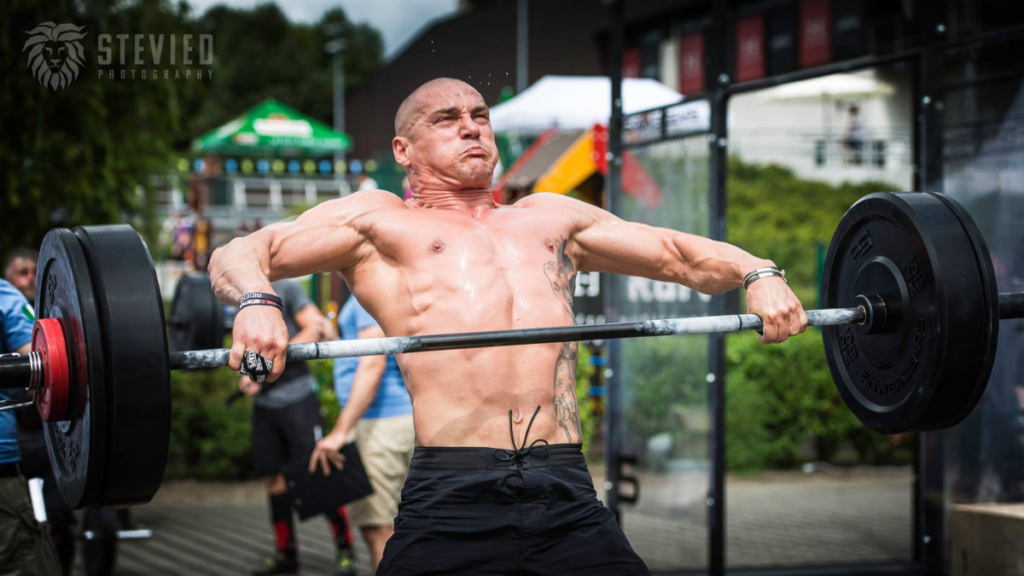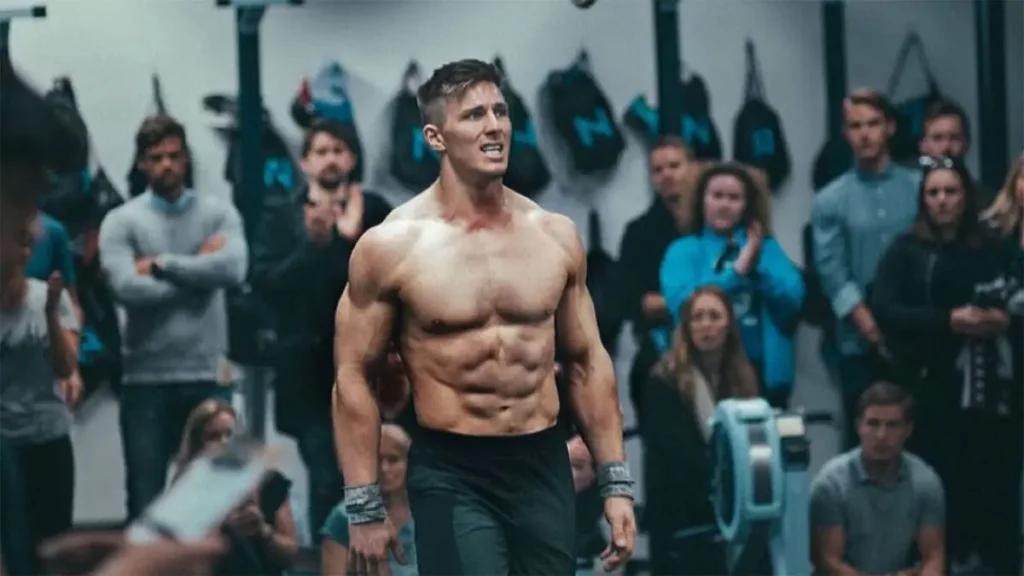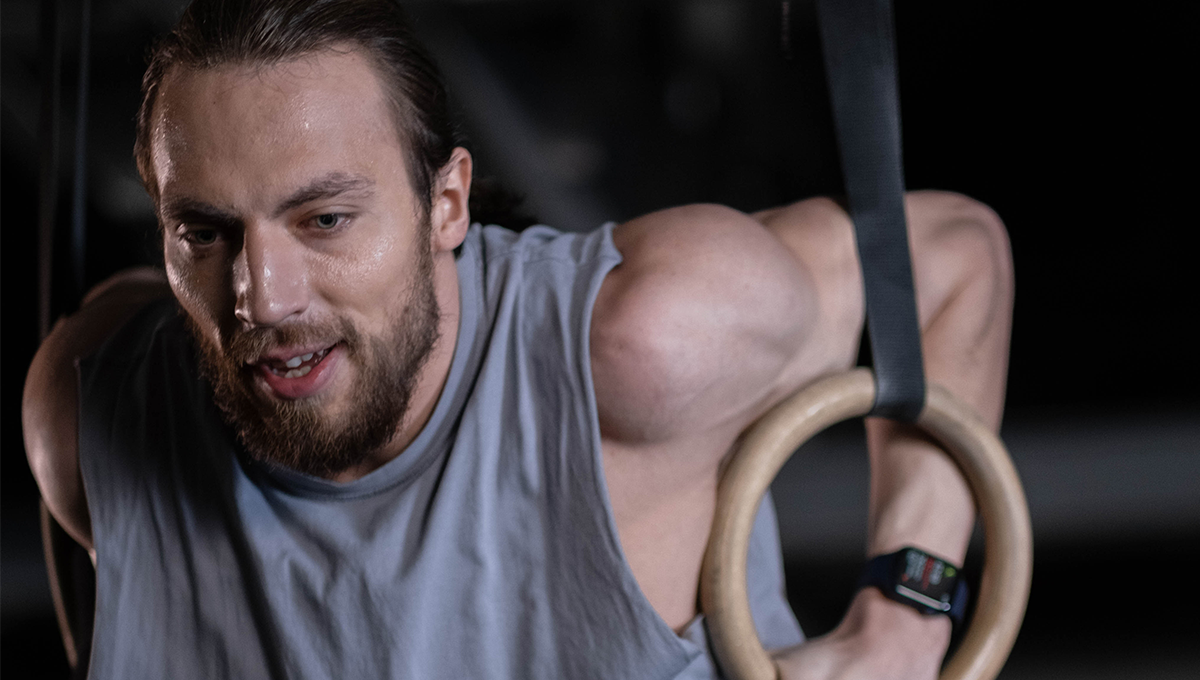


A wide back, broad shoulders, and a lean waist create the classic V shaped upper body that many people associate with strength and athleticism. While you cannot completely transform your physique in just 30 days, you can make noticeable progress if you follow a structured training plan, eat enough high quality protein, recover well, and stay consistent.
The biggest mistake beginners make is chasing shortcuts. Endless isolation exercises, random workouts from social media, and unrealistic expectations often lead to frustration rather than results. Scientific research consistently shows that muscle growth comes from progressive resistance training, sufficient nutrition, and adequate recovery.


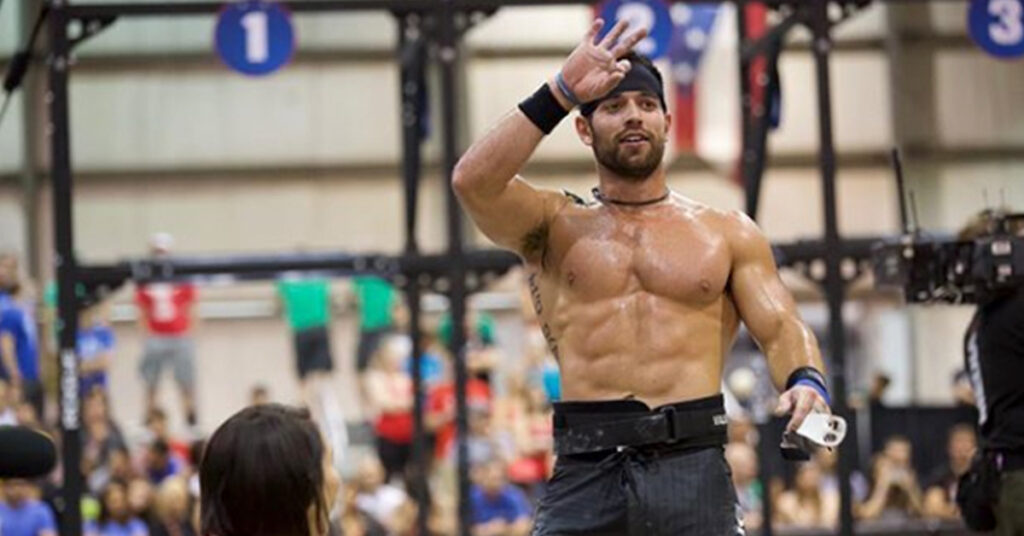
This guide explains exactly how beginners can maximize their first month of training using evidence based strategies. If you follow these principles, you will improve your posture, increase upper body muscle mass, build strength, and begin creating the wider appearance that defines the V taper.
What Creates a V Shaped Physique?
The V shape is largely created by developing three major muscle groups while keeping body fat under control. The latissimus dorsi, commonly called the lats, are the largest muscles in the upper body. When these muscles grow, they make the torso appear much wider from both the front and the back.
The deltoids, especially the lateral and rear heads, add width across the shoulders. Bigger shoulders create a stronger visual contrast with the waist. The upper chest and upper back contribute thickness and posture, helping the shoulders sit back naturally instead of rounding forward.
While your bone structure determines your maximum shoulder width and waist size, muscle growth can dramatically improve the appearance of your proportions. Research consistently shows that resistance training produces measurable increases in muscle size even within the first month, especially in beginners.
Can You Really Build a Jacked Upper Body in 30 Days?
The answer depends on your expectations. Thirty days is enough time to gain strength, improve muscle definition, and add measurable muscle mass if you are new to resistance training. It is not enough time to look like a professional bodybuilder or fitness model.
How Heavy Should Beginners Bench Press in The Gym?
Beginners experience what scientists often call the beginner effect. Because the body has never adapted to resistance training before, muscle protein synthesis increases rapidly, strength improves quickly through neural adaptations, and muscles become fuller as glycogen storage increases.
These early changes often create a visibly more athletic appearance even before substantial muscle growth occurs. The goal during your first month should not be perfection. It should be building habits that allow muscle growth to continue for months and years.
The Science of Muscle Growth
Muscle growth, also known as hypertrophy, occurs when resistance training creates enough mechanical tension to stimulate muscle protein synthesis. Research shows that three factors are particularly important. Mechanical tension comes from lifting challenging weights through a full range of motion.
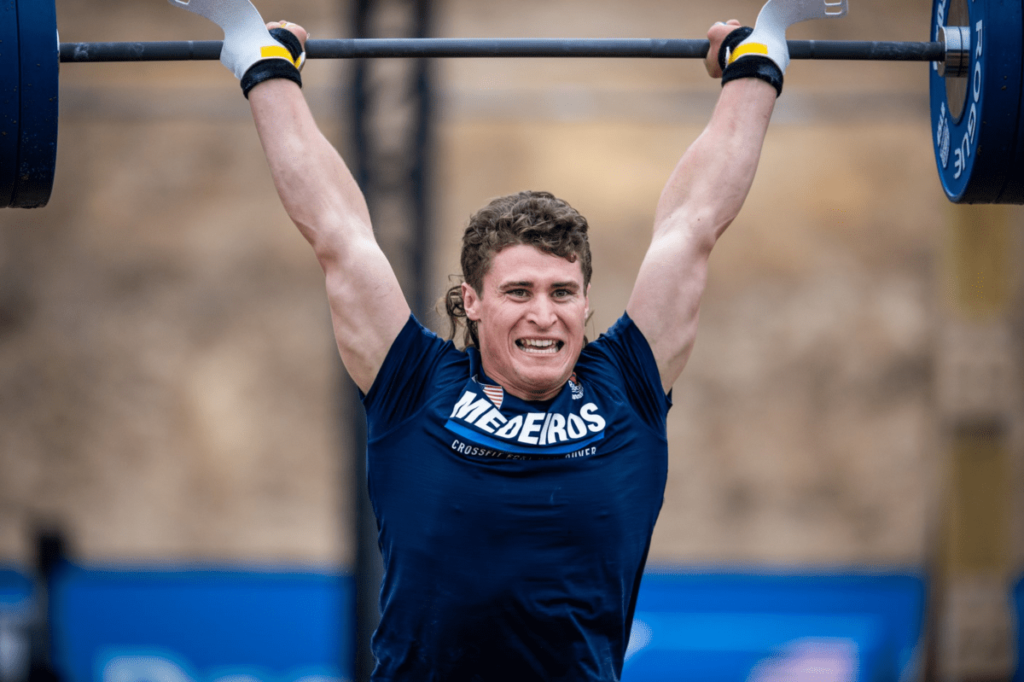
Training volume refers to the total amount of work performed. Multiple studies suggest that approximately ten to twenty challenging sets per muscle group each week produce excellent results for most people.
Progressive overload means gradually increasing the demands placed on the muscles. This can involve lifting more weight, performing more repetitions, improving technique, or completing additional sets over time.
Contrary to popular belief, muscle soreness is not required for muscle growth. Consistent progressive training matters far more than feeling sore after every workout.
The Best Exercises for Building Width
Pull Ups or Lat Pulldowns
Vertical pulling exercises are among the most effective ways to develop the lats. Beginners who cannot perform pull ups should use an assisted machine or perform lat pulldowns.
Focus on pulling the elbows down toward the ribs instead of simply pulling with the hands. This improves activation of the lats while reducing unnecessary strain on the arms.
Barbell Rows
Rows build thickness across the middle back while strengthening the muscles that stabilize the shoulders. A stronger upper back also improves posture, making the chest appear broader and the waist smaller.
Dumbbell Shoulder Press
Overhead pressing develops all three heads of the deltoids while strengthening the triceps and upper chest. Dumbbells encourage balanced development because each arm works independently.
Lateral Raises
Few exercises create visual shoulder width as effectively as lateral raises. Although the weight should remain relatively light, each repetition should be controlled with a full range of motion.
Incline Bench Press

The upper chest plays an important role in creating a complete upper body. Using an incline bench shifts more emphasis toward the clavicular portion of the pectoral muscles compared with a flat bench.
Face Pulls
Face pulls strengthen the rear deltoids and upper back while improving shoulder health.
Many beginners overtrain the front of the body while neglecting these important muscles.
Your 30 Day Training Plan
This simple four day routine gives beginners enough training volume while allowing adequate recovery.
Day One
Train the back, biceps, and rear shoulders.
Perform lat pulldowns, barbell rows, seated cable rows, face pulls, and dumbbell curls.
Day Two
Train the chest, shoulders, and triceps.
Perform incline bench press, dumbbell shoulder press, lateral raises, push ups, and cable triceps pushdowns.
Day Three
Rest or perform light walking and mobility work.
Recovery is when muscle growth actually occurs.
Day Four
Repeat the back focused workout while attempting to improve either the weight or the number of repetitions completed.
Day Five
Repeat the push workout while progressing at least one exercise.
Days Six and Seven
Rest, walk, stretch, and prepare for the following week.
Repeat this schedule for four weeks while aiming to improve gradually each session.
How Hard Should You Train?
One of the biggest misconceptions among beginners is that every set must end in complete exhaustion. Research shows that stopping one to three repetitions before failure often produces similar muscle growth while reducing unnecessary fatigue.
Choose a weight that allows you to complete eight to twelve repetitions with good technique. The final repetitions should feel challenging without sacrificing form. As your strength improves, gradually increase the resistance while staying within the same repetition range.
Nutrition That Supports Muscle Growth
Training provides the stimulus for muscle growth, but nutrition provides the building blocks. Protein is the most important nutrient for maximizing muscle protein synthesis. Most research suggests consuming approximately 1.6 to 2.2 grams of protein per kilogram of body weight each day.
Good sources include lean meat, poultry, fish, eggs, dairy products, soy foods, beans, and quality protein supplements when needed. Calories also matter.

If your goal is building muscle as quickly as possible, eating a moderate calorie surplus of around 200 to 300 calories above maintenance can support growth while minimizing excessive fat gain. Carbohydrates replenish muscle glycogen, allowing higher training quality and better recovery. Whole grains, potatoes, rice, oats, fruits, and vegetables should make up most carbohydrate intake.
Healthy fats support hormone production and overall health. Include foods such as nuts, seeds, olive oil, avocados, and fatty fish regularly.
Hydration Matters More Than You Think
Muscle is made up largely of water, and even mild dehydration can reduce strength, endurance, and training performance. Drink water consistently throughout the day rather than waiting until you feel thirsty.
Athletes training intensely or in warm environments may require substantially more fluid than sedentary individuals. Maintaining hydration also helps support recovery and overall physical performance.
Sleep Is Your Secret Weapon
Many beginners obsess over supplements while ignoring sleep. During deep sleep, the body releases hormones that support tissue repair and muscle recovery. Research consistently shows that insufficient sleep reduces recovery, decreases athletic performance, increases fatigue, and may impair muscle growth over time.
Aim for seven to nine hours of quality sleep every night. Maintaining a consistent bedtime, limiting late evening screen exposure, and avoiding excessive caffeine late in the day can improve sleep quality.
How to Measure Progress During the First Month
The scale tells only part of the story. Take front, side, and back photographs every week under similar lighting. Measure shoulder circumference, chest circumference, and upper arm size every two weeks.
Track every workout in a notebook or training app. If the weights or repetitions increase over time, your body is adapting. Pay attention to how your shirts fit. Many beginners notice tighter sleeves and a broader appearance across the shoulders before dramatic changes appear in the mirror.
What Happens After 30 Days?
The first month is only the beginning. Research shows that muscle growth continues for months and years when progressive overload remains consistent. After completing your first month, continue increasing training volume gradually, refine your exercise technique, and maintain a protein rich diet.
The habits established during these first thirty days are what ultimately determine whether you develop an impressive V shaped physique over the long term.
Final Thoughts
Building a jacked V shaped upper body is not about finding the perfect workout or buying expensive supplements. It comes from consistently applying proven training principles, eating enough high quality protein, sleeping well, and gradually becoming stronger.
Thirty days will not completely transform your physique, but it is enough time to build momentum, gain noticeable strength, improve muscle definition, and begin developing the wider shoulders and back that create the classic V taper.
Focus on mastering the fundamentals rather than chasing shortcuts. The combination of progressive resistance training, smart nutrition, and consistent recovery has decades of scientific support and remains the fastest path to building an impressive upper body.
Key Takeaways
| Principle | Why It Matters | Action |
|---|---|---|
| Progressive overload | Muscles grow by adapting to increasing demands | Add weight or repetitions gradually each week |
| Prioritize the back | Bigger lats create upper body width | Include vertical and horizontal pulling twice weekly |
| Train shoulders | Lateral deltoids increase visual shoulder width | Perform lateral raises and overhead presses weekly |
| Eat enough protein | Protein supports muscle repair and growth | Consume 1.6 to 2.2 g per kg of body weight daily |
| Recover properly | Muscle grows between workouts | Sleep seven to nine hours each night |
| Stay consistent | Long term adherence produces lasting results | Follow the plan for at least four weeks before making major changes |
References
- American College of Sports Medicine. (2009) ‘Progression models in resistance training for healthy adults’, Medicine & Science in Sports & Exercise, 41(3), pp. 687 to 708.
- Bird, S.P., Tarpenning, K.M. and Marino, F.E. (2005) ‘Designing resistance training programmes to enhance muscular fitness’, Sports Medicine, 35(10), pp. 841 to 851.
- Candow, D.G. and Chilibeck, P.D. (2008) ‘Timing of creatine or protein supplementation and resistance training in the elderly’, Applied Physiology, Nutrition, and Metabolism, 33(1), pp. 184 to 190.
- Grgic, J., Schoenfeld, B.J., Davies, T.B., Lazinica, B., Krieger, J.W. and Pedisic, Z. (2018) ‘Effect of resistance training to muscular failure versus non failure on muscular strength and hypertrophy’, Journal of Sport and Health Science, 10(3), pp. 275 to 283.
- Jäger, R., Kerksick, C.M., Campbell, B.I., Cribb, P.J., Wells, S.D., Skwiat, T.M., Purpura, M., Ziegenfuss, T.N., Ferrando, A.A., Arent, S.M., Smith Ryan, A.E., Stout, J.R., Arciero, P.J., Ormsbee, M.J., Taylor, L.W., Wilborn, C.D., Kalman, D.S., Kreider, R.B. and Antonio, J. (2017) ‘International Society of Sports Nutrition position stand: protein and exercise’, Journal of the International Society of Sports Nutrition, 14(20).
- Kreider, R.B., Kalman, D.S., Antonio, J., Ziegenfuss, T.N., Wildman, R., Collins, R., Candow, D.G., Kleiner, S.M., Almada, A.L. and Lopez, H.L. (2017) ‘International Society of Sports Nutrition position stand: safety and efficacy of creatine supplementation in exercise, sport, and medicine’, Journal of the International Society of Sports Nutrition, 14(18).
- Morton, R.W., Murphy, K.T., McKellar, S.R., Schoenfeld, B.J., Henselmans, M., Helms, E., Aragon, A.A., Devries, M.C., Banfield, L., Krieger, J.W. and Phillips, S.M. (2018) ‘A systematic review, meta analysis and meta regression of protein supplementation on resistance training induced gains in muscle mass and strength in healthy adults’, British Journal of Sports Medicine, 52(6), pp. 376 to 384.