


Losing body fat is often presented as a test of discipline. In reality, the people who succeed most consistently are not necessarily the people with the strongest willpower. They are usually the people who make their diet easier to repeat when work gets busy, motivation drops, social plans appear, and hunger feels stronger than expected.
Fat loss requires an energy deficit, meaning you consume less energy than your body uses over time. However, knowing that fact does not automatically make it easy to follow. Appetite, food availability, habits, sleep, stress, training demands, and expectations all affect whether a calorie deficit is realistic enough to maintain.


The best diet is not the most restrictive plan. It is the one that creates enough of a calorie deficit to produce progress while still allowing you to eat satisfying meals, train well, and live normally. These five secrets can help you build that kind of approach.
Secret 1: Make Your Calorie Deficit Small Enough to Live With
The first mistake many people make is trying to lose body fat as quickly as possible. They cut portion sizes dramatically, remove every food they enjoy, and add large amounts of cardio. This can work briefly, but it often creates a level of hunger and fatigue that makes the plan difficult to sustain.
A moderate calorie deficit is usually more effective because adherence matters more than a few perfect days. Research on weight loss consistently shows that successful outcomes depend heavily on whether someone can maintain changes in food intake over time. Severe restriction can increase food preoccupation, make training feel worse, and raise the chance of overeating later.

A useful target for many people is a rate of loss that feels steady rather than extreme. If body weight is dropping rapidly and you are constantly hungry, struggling in the gym, sleeping poorly, or thinking about food all day, the deficit may be too aggressive. Slowing the process slightly can make the diet much easier to follow for months rather than days.
Your body weight will also fluctuate from day to day because of water retention, carbohydrate intake, sodium, digestion, and hormonal changes. Do not judge progress from a single weigh in. Looking at weekly averages gives you a clearer picture of whether the plan is working.
Why Slower Can Be Smarter
A slower approach gives you room to eat enough protein, include fruit and vegetables, fuel your training, and enjoy meals with friends or family. It is also more likely to protect lean mass when combined with resistance training. Losing fat while keeping as much muscle as possible improves how your physique looks, how you perform, and how many calories your body uses at rest.
The goal is not to suffer through your diet. The goal is to create a routine you can still follow when motivation is ordinary.
Secret 2: Build Every Meal Around Protein and High Volume Foods
Hunger is one of the biggest reasons diets fail. You can make hunger more manageable by choosing foods that provide a lot of fullness for a reasonable number of calories.
Protein should be a priority at every meal. It is more filling than carbohydrate or fat, supports muscle protein synthesis, and helps preserve lean tissue during weight loss. This is especially important for people who lift weights, do CrossFit, train for HYROX, or want to maintain a muscular appearance while losing body fat.
For most active people, spreading protein across three or four meals makes it easier to reach an effective daily intake. Good options include eggs, Greek yogurt, cottage cheese, chicken, fish, lean beef, tofu, tempeh, lentils, beans, and protein shakes when convenient.
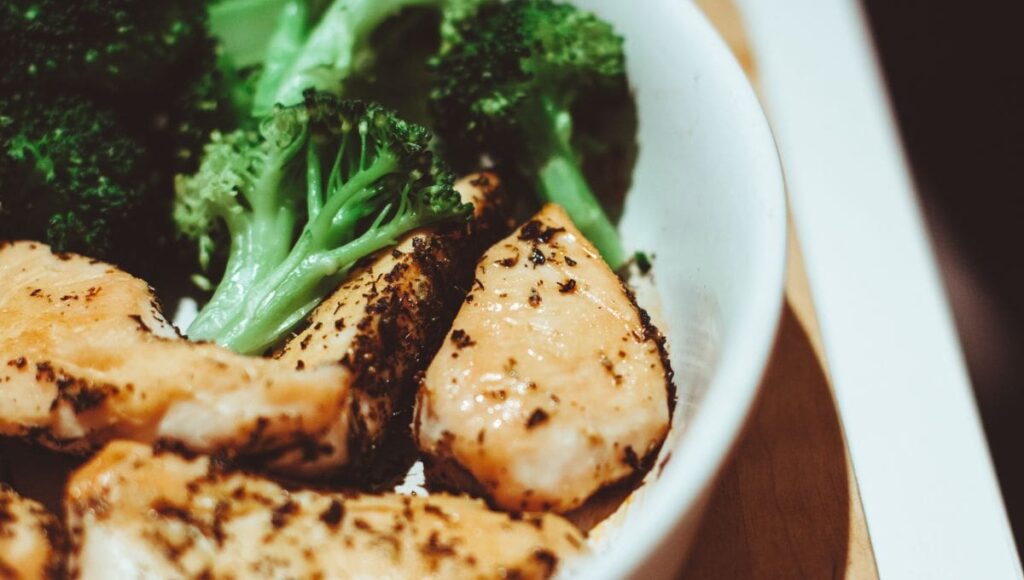
Alongside protein, include high volume foods such as vegetables, fruit, potatoes, oats, beans, soups, and whole grains. These foods tend to provide fiber and water, both of which can help you feel satisfied. A large meal built around lean protein, vegetables, and a sensible serving of carbohydrate is often far more satisfying than a small portion of highly processed snack food with the same calories.
Use Food Structure, Not Food Fear
You do not need to label foods as clean or bad. That way of thinking can make eating feel stressful and can turn ordinary treats into something emotionally charged.
Instead, aim for a strong nutritional base most of the time. Make protein, fruit, vegetables, and minimally processed meals your default choices, then deliberately include foods you enjoy in portions that fit your overall intake. This approach gives you flexibility while keeping the diet focused on foods that support fullness, health, and training.
If you know you enjoy dessert after dinner, plan for it. A planned dessert is usually easier to manage than trying to ban it, feeling deprived, and then eating far more than intended after a difficult day.
Secret 3: Make Your Environment Do Some of the Work
Willpower is unreliable because it changes with stress, tiredness, mood, and hunger. Your environment is more dependable. If highly tempting foods are constantly visible and easy to eat, you will have to make the difficult choice repeatedly. If filling, convenient foods are easy to access, good choices become more automatic.
Research into eating behavior shows that food cues and portion sizes can meaningfully affect how much people eat. People often consume more when food is served in larger portions, kept within easy reach, or displayed prominently. This is not a character flaw. It is a normal response to the environment around you.
Start by making your home environment easier to navigate. Keep fruit visible. Prepare protein sources in advance. Have simple meals ready for the moments when you are tired and do not want to cook. Store energy dense snack foods out of immediate sight, buy smaller packages where possible, and avoid eating directly from a large bag or box.
Plan for Your Most Difficult Moment
Most people do not struggle with their diet at breakfast. The hardest period may be late afternoon, after work, after training, or late at night when hunger and fatigue overlap.
Identify when your diet usually goes off course, then create a specific solution. If you snack excessively after work, eat a protein rich lunch and plan a filling afternoon snack. If you overeat at night, make dinner more substantial rather than trying to survive on a tiny meal. If weekends cause problems, decide in advance which meal will be more relaxed and keep the rest of the day simple.
This is more effective than telling yourself to be better next time. Specific plans reduce the number of decisions you need to make when you are tired.
Secret 4: Track the Behaviors That Actually Predict Progress
Many people rely entirely on motivation and guesswork. They start with good intentions, but they do not know whether their calorie intake, protein intake, steps, or body weight trend is actually moving in the right direction.
Self monitoring is one of the most consistent behaviors linked with successful weight management. Tracking does not have to mean weighing every ingredient forever. It means collecting enough useful information to notice patterns and make informed adjustments.
For some people, calorie tracking is helpful for a period because it reveals where energy intake is coming from. Oils, sauces, liquid calories, snacks, alcohol, restaurant meals, and large portions can add up quickly. For others, tracking meals with photographs, using repeatable breakfasts and lunches, or monitoring portions with simple hand based estimates may be more sustainable.
Use Several Measures, Not Just the Scale
The scale is useful, but it does not tell the whole story. Combine body weight with waist measurements, progress photos, gym performance, how your clothes fit, and energy levels. This gives you a more complete view of what is happening.
Weigh yourself under similar conditions and use a weekly average. If the average has not moved for several weeks and adherence has been consistent, make a small adjustment. You might reduce calories slightly, increase daily walking, or improve consistency around weekends. Avoid making dramatic changes based on a few days of scale fluctuation.

A simple structure helps. Keep protein high, train with resistance, walk regularly, sleep enough, and monitor your progress. You do not need a perfect plan. You need feedback that allows you to keep improving.
Secret 5: Stop Treating One Imperfect Meal as Failure
One restaurant meal, one birthday, one takeaway, or one evening of overeating does not erase weeks of progress. The real problem begins when someone interprets an imperfect meal as proof that the diet has failed.
Want More Muscular Shoulders? Do These 3 Barbell Exercises
This thinking is often called the abstinence violation effect. When people believe they have broken a strict rule, they can become more likely to abandon the plan completely. They may think they have already ruined the day, so there is no point stopping. That all or nothing mindset can turn one higher calorie meal into several days of uncontrolled eating.
A more useful response is to treat it as one normal event. Enjoy the meal, return to your usual routine at the next eating opportunity, and avoid punishment. Do not starve yourself the following day or do excessive cardio to compensate. Those reactions can create a cycle of restriction, hunger, and overeating.
Consistency Is Not Perfection
A successful fat loss diet includes flexibility. It allows for holidays, travel, celebrations, and meals that are not carefully measured. The skill is learning how to return to your normal habits without guilt or drama.
You can also use planned flexibility. If you know you are going out for dinner, keep earlier meals protein rich and filling, choose a meal you genuinely want, and return to your regular routine afterward. This is far more sustainable than avoiding every social occasion until you eventually feel burned out.
Long term success comes from accumulating many reasonably good choices. You do not need to eat perfectly. You need to make the next useful choice often enough that it becomes your normal pattern.
The Bottom Line
The secret to losing body fat is not finding a magical food, supplement, or perfect meal plan. It is creating a calorie deficit in a way that you can repeat without feeling constantly deprived.
Keep the deficit moderate, eat enough protein, use filling foods, shape your environment, monitor meaningful behaviors, and respond calmly when life does not go exactly to plan. These habits make fat loss more manageable because they reduce the need to rely on motivation alone.
The best result is not simply reaching a lower body weight. It is learning how to eat, train, and manage your routine in a way that helps you stay leaner, stronger, and more confident long after the diet ends.
Key Takeaways
| Key takeaway | What it means for your diet |
|---|---|
| Use a moderate calorie deficit | A sustainable deficit is easier to maintain and can support better training and muscle retention. |
| Prioritize protein and filling foods | Protein, fiber rich foods, fruit, vegetables, and minimally processed meals can help control hunger. |
| Improve your food environment | Make nutritious meals convenient and reduce exposure to foods that encourage mindless eating. |
| Monitor progress consistently | Use weekly weight averages, waist measurements, photos, and training performance to guide adjustments. |
| Expect imperfect meals | Return to your usual routine at the next meal instead of turning one setback into a longer lapse. |
References
- Anton, S.D. and Miller, P.M. (2005) ‘Do negative emotions predict alcohol consumption, saturated fat intake, and physical activity in older adults?’, Behavior Modification, 29(4), pp. 677 to 688.
- Burke, L.E., Wang, J. and Sevick, M.A. (2011) ‘Self monitoring in weight loss: a systematic review of the literature’, Journal of the American Dietetic Association, 111(1), pp. 92 to 102.
- Hall, K.D. and Kahan, S. (2018) ‘Maintenance of lost weight and long term management of obesity’, Medical Clinics of North America, 102(1), pp. 183 to 197.
- Hetherington, M.M. and Rolls, B.J. (1996) ‘Sensory specific satiety: theoretical frameworks and central characteristics’, British Journal of Nutrition, 76(5), pp. 587 to 596.
- Leidy, H.J., Clifton, P.M., Astrup, A., Wycherley, T.P., Westerterp Plantenga, M.S., Luscombe Marsh, N.D., Woods, S.C. and Mattes, R.D. (2015) ‘The role of protein in weight loss and maintenance’, American Journal of Clinical Nutrition, 101(6), pp. 1320S to 1329S.
- Lowe, M.R., Butryn, M.L., Didie, E.R., Annunziato, R.A., Thomas, J.G., Crerand, C.E., Ochner, C.N., Coletta, M.C., Bellace, D., Wallaert, M. and Halford, J. (2009) ‘The power of food scale and portion size in the obesity epidemic’, Physiology and Behavior, 97(5), pp. 609 to 615.
- Maclean, P.S., Wing, R.R., Davidson, T., Epstein, L., Goodpaster, B., Hall, K.D., Levin, B.E., Perri, M.G., Rolls, B.J. and Rosenbaum, M. (2015) ‘NIH working group report: Innovative research to improve maintenance of weight loss’, Obesity, 23(1), pp. 7 to 15.
- Stroebe, W., van Koningsbruggen, G.M., Papies, E.K. and Aarts, H. (2013) ‘Why most dieters fail but some succeed: a goal conflict model of eating behavior’, Psychological Review, 120(1), pp. 110 to 138.
- Wansink, B. and van Ittersum, K. (2013) ‘Portion size me: downsizing our consumption norms’, Journal of the American Dietetic Association, 107(7), pp. 1103 to 1106.
- Wing, R.R. and Phelan, S. (2005) ‘Long term weight loss maintenance’, American Journal of Clinical Nutrition, 82(1), pp. 222S to 225S.