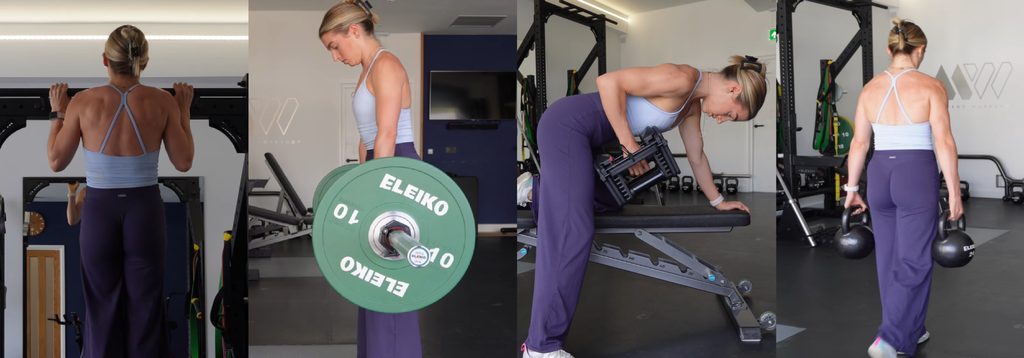
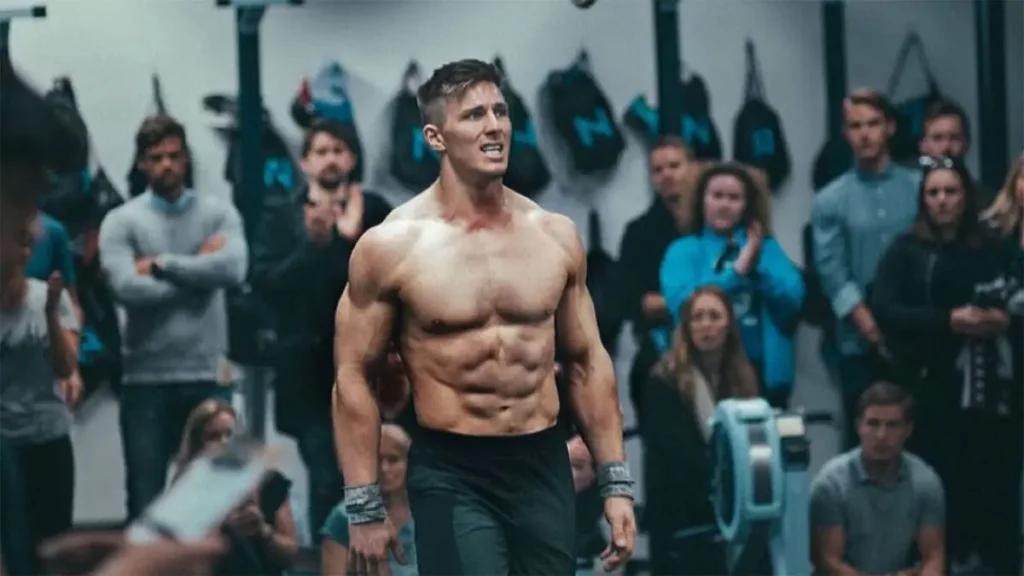
A strong V shaped torso is one of the most recognizable physiques in fitness. It combines broad shoulders and a wide upper back with a comparatively lean, controlled waist. The result is a silhouette that looks athletic in a T shirt, from the front, and from behind.
Genetics influence shoulder width, ribcage shape, clavicle length, and where your body stores fat. However, resistance training can make a major visual difference by adding muscle to the areas that create upper body width while strengthening the muscles that support a firm and capable midsection. Research consistently shows that progressive resistance training increases muscle size and strength when exercises are performed with sufficient effort, training volume, and consistency.


You do not need to train every muscle equally to improve your proportions. A V shaped torso is built by prioritizing five key muscles: the latissimus dorsi, lateral deltoids, upper chest, rectus abdominis, and obliques. Together, these muscles create width, density, posture, and definition.
What Creates a V Shaped Torso?
The V shape is largely a matter of proportions. Broad shoulders and a developed upper back make the torso appear wider at the top, while a smaller waist creates contrast through the middle. Studies of human body shape preferences have found that shoulder to waist proportions play an important role in perceptions of male physical attractiveness, strength, and athleticism.
That does not mean there is one perfect physique or that appearance should be the only reason to train. Building these muscles can also improve pulling strength, pressing performance, shoulder stability, trunk control, and general confidence in the gym.
Is Your Blood Pressure Healthy for Your Age?
Muscle development and body fat levels both matter. Strong lats and shoulders will create a wider frame, but excessive body fat around the waist can reduce the visual contrast. You cannot spot reduce fat from one area, so a sustainable calorie deficit, adequate protein intake, resistance training, and regular physical activity remain the most effective approach when fat loss is a goal.
1. Latissimus Dorsi
The latissimus dorsi, usually called the lats, are the largest muscles in the upper back. They run from the lower spine and pelvis toward the upper arm. When well developed, they create the wide flare from beneath the armpits down toward the waist that gives the torso its classic V shape.
Why Your Lats Matter
The lats are responsible for shoulder extension, adduction, and internal rotation. In simple terms, they help pull your upper arm down and back. They play a major role in vertical pulling movements such as pull ups and pulldowns, as well as rowing movements.
A bigger back makes the waist look narrower by comparison. This is one reason someone with well developed lats can look broad and athletic even without extreme bodyweight or unusually large arms. Increasing lat size also contributes to a stronger back for climbing, swimming, gymnastics movements, and many functional fitness exercises.
How to Train Them
Pull ups, chin ups, lat pulldowns, single arm cable pulldowns, chest supported rows, and dumbbell rows can all contribute to lat development. Vertical pulling movements are particularly useful because they train the lats through the arm path that most directly creates their width.
Use a full and controlled range of motion. Allow the shoulder blades to move naturally at the stretched position, then pull your elbows down toward your hips. Avoid turning every repetition into a biceps exercise by focusing on moving the upper arm rather than simply curling the hands toward the body.
Training close to muscular failure is important for hypertrophy. A load that allows roughly six to 20 controlled repetitions can build muscle effectively when the set is challenging enough.
2. Lateral Deltoids
The deltoids cover the shoulder joint and are divided into anterior, lateral, and posterior portions. The lateral deltoids sit on the outer side of the shoulders. They are the most important shoulder muscles for creating visible upper body width from the front.
Why Your Lateral Deltoids Matter
Your skeletal frame determines your natural clavicle width, but lateral deltoid growth can make the shoulders look substantially broader. This increases the contrast between the upper torso and waist, which is central to a V shaped appearance.

The lateral deltoids are primarily responsible for lifting the arm away from the body. They contribute during many pressing movements, but direct lateral raise variations are usually needed for complete development. Bench presses and overhead presses can build the front deltoids effectively, yet they do not always provide enough targeted work for the side delts.
Research on resistance training supports the value of including multiple exercises when the goal is balanced muscle growth. Different movements emphasize muscles and regions differently, even when they involve the same joint action.
How to Train Them
Dumbbell lateral raises, cable lateral raises, machine lateral raises, and leaning cable lateral raises are excellent choices. Cables and machines can be especially useful because they maintain resistance throughout more of the range of motion.
Keep the movement controlled and avoid using a heavy hip swing to lift the weight. Raise the arms out and slightly forward in the plane of the shoulder, stopping when your upper arms are approximately level with the floor. You do not need extremely heavy weights. Moderate and lighter loads can be highly effective when you use precise technique and take sets close to failure.
Two to four weekly sessions of direct lateral delt work can be practical because these exercises tend to create less overall fatigue than heavy compound lifts. Start with manageable volume, then add repetitions, load, or sets gradually over time.
3. Upper Chest
The pectoralis major is a large chest muscle with fibers that run in different directions. The upper region, often described as the clavicular head, is particularly valuable for a balanced V shaped torso because it adds fullness beneath the collarbones and connects the chest visually to the shoulders.
Why Your Upper Chest Matters
A strong upper chest helps the torso look more complete from the front. Without it, even broad shoulders can look disconnected from the rest of the upper body. Developing this area can create a fuller chest line, improve pressing strength, and support the visual impression of a powerful upper torso.

The chest is not usually the first muscle people associate with a V shape, but it makes a major difference. Wide shoulders and lats create the outline, while the upper chest adds depth and density within that outline. It is particularly noticeable in fitted clothing and when the arms are relaxed at the sides.
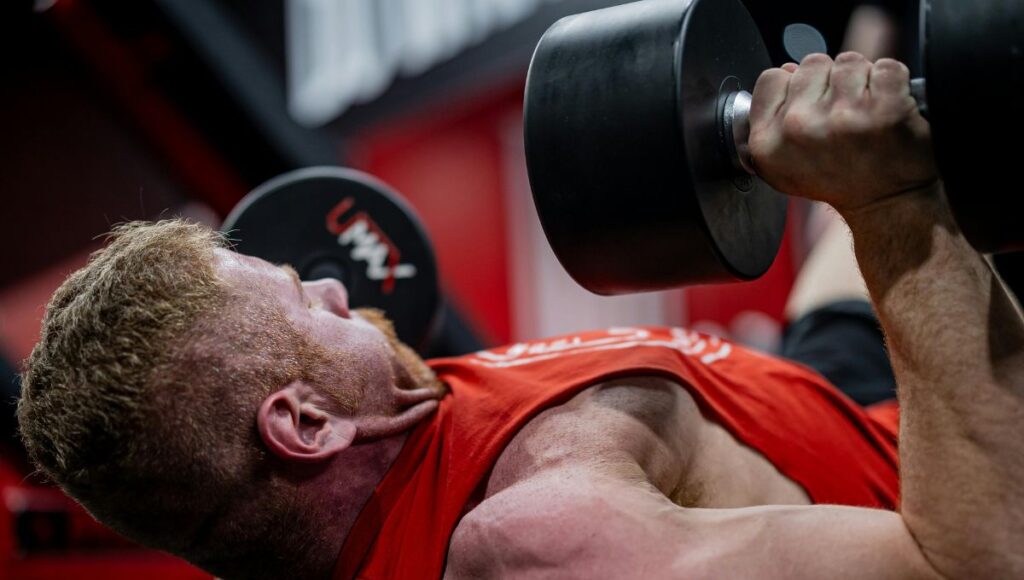
Research using muscle thickness measurements suggests that exercise angle can influence where growth occurs within a muscle. Incline pressing and low to high cable fly movements are useful options for emphasizing the upper chest, although every chest exercise will still involve more than one area of the pectoralis major.
How to Train It
Incline dumbbell presses, incline barbell presses, incline machine presses, push ups with the feet elevated, and low to high cable fly movements can all be useful. An incline angle that is too steep can shift more work toward the front deltoids, so a modest incline is often a sensible place to begin.
Use a grip and range of motion that feel comfortable for your shoulders. Lower the weight under control and press with intent, while keeping the shoulder blades stable on pressing exercises. Aim to progress over time rather than changing exercises every week.
Chest training does not need to be excessive. Consistent weekly volume, good technique, and gradual progression are more important than performing endless sets of presses. If your shoulders are already getting plenty of work from pressing, balance that work with adequate pulling volume for healthy training habits.
4. Rectus Abdominis
The rectus abdominis is the muscle most people mean when they talk about abs. It runs vertically down the front of the abdomen and is divided by connective tissue into the visible sections commonly called a six pack.
Why Your Abs Matter
Visible abs depend partly on muscle development and partly on low enough body fat to reveal them. Strong rectus abdominis muscles can make the midsection look more defined when body fat levels allow. They also help create tension and control through the trunk during lifting, running, jumping, and athletic movement.
A well trained abdominal wall does not need to mean an excessively thick waist. The goal is to build enough muscle to create definition and strength while maintaining a body composition that supports the proportions you want. Resistance training for the abs can increase muscle thickness, just as it can for other skeletal muscles.

Abdominal training is sometimes dismissed because people believe compound exercises are enough. Squats, deadlifts, loaded carries, and overhead lifts do challenge the trunk, but direct abdominal work can provide a more focused hypertrophy stimulus. Combining both approaches is a practical way to develop strength and visual definition.
How to Train It
Cable crunches, machine crunches, weighted decline crunches, reverse crunches, and hanging knee raises are strong options. The best choice is one you can perform through a controlled range of motion while progressively increasing the challenge.
During crunch based movements, think about curling the ribs toward the pelvis instead of simply pulling on your neck. During leg raise variations, avoid swinging and use the abs to control pelvic movement. Begin with two or three sessions per week and add load or repetitions once your technique remains consistent.
5. Obliques
The external and internal obliques sit on the sides of the abdomen. They help rotate and resist rotation through the trunk, assist with side bending, and contribute to bracing during loaded movements.
Why Your Obliques Matter
The obliques are often misunderstood in discussions about a smaller looking waist. They are important muscles for athletic movement and trunk strength, but extremely high volume heavy side bending may add more muscle to the sides of the waist than some people want for aesthetic reasons.
That does not mean you should avoid training them. Strong obliques help transfer force between the lower and upper body, stabilize the spine, and control rotation during sport and daily life. A trained waist looks athletic when it has strength, definition, and good posture.
Exercises that challenge the obliques to resist movement are particularly useful. They build trunk control without making side bending the primary focus of every session. This makes them a good match for a V shaped torso goal.
How to Train Them
Pallof presses, suitcase carries, front rack carries, side planks, cable rotations, and controlled hanging knee raise variations can train the obliques effectively. Suitcase carries are especially practical because they challenge grip, posture, and lateral trunk stability at the same time.
Keep your ribs stacked over your pelvis and avoid leaning excessively under load. The goal is not simply to survive the exercise. It is to maintain a stable torso while the resistance tries to pull you out of position.
Two or three weekly sessions of oblique focused work are enough for most people. Use a mixture of static holds, carries, and controlled rotational movements to develop strength that transfers beyond the gym.
How to Put the Five Muscles Together
Building a V shaped torso requires more than doing a few random exercises at the end of a workout. Prioritize the lats and lateral deltoids because they have the greatest influence on upper body width. Train the upper chest to build a stronger front profile, then include direct abdominal and oblique work to create a capable and defined midsection.
A productive weekly approach could include two upper body sessions. On each day, perform one vertical pulling exercise, one rowing exercise, one pressing exercise, direct lateral delt work, and one or two core exercises. Your total weekly training volume should be challenging enough to drive progress but manageable enough to recover from.
Progressive overload remains essential. You can add weight, perform more repetitions with the same load, improve range of motion, increase the number of hard sets, or use better control and execution. The most effective program is usually the one you can perform consistently for months.
Nutrition supports the work you do in training. Protein intake helps support muscle protein synthesis and recovery, while a modest calorie surplus can make gaining muscle easier. If reducing body fat is your priority, maintain resistance training and adequate protein while using a sustainable calorie deficit. Extreme dieting can make training performance and muscle retention more difficult.
Final Thoughts
An attractive V shaped torso comes from building a wider upper body and developing a strong midsection without losing sight of overall health and performance. Your lats and lateral deltoids create the width. Your upper chest adds front facing density. Your abs and obliques help make the waist look strong, controlled, and athletic.
Train these five areas consistently, use exercises you can progressively improve, and give your body enough food, protein, and recovery to adapt. The best results come from patient training rather than searching for a shortcut.
Key Takeaways
| Muscle | Main visual role | Effective exercise options |
|---|---|---|
| Latissimus dorsi | Creates upper back width and a stronger taper | Pull ups, pulldowns, rows |
| Lateral deltoids | Makes the shoulders look broader | Dumbbell lateral raises, cable lateral raises, machines |
| Upper chest | Adds fullness beneath the collarbones | Incline presses, elevated push ups, cable fly movements |
| Rectus abdominis | Builds abdominal definition and trunk strength | Cable crunches, reverse crunches, hanging knee raises |
| Obliques | Supports a stable, athletic looking waist | Pallof presses, suitcase carries, side planks |
References
- American College of Sports Medicine (2009) ‘American College of Sports Medicine position stand: Progression models in resistance training for healthy adults’, Medicine & Science in Sports & Exercise, 41(3), pp. 687–708.
- Barbalho, M., Coswig, V.S., Steele, J., Fisher, J.P., Paoli, A., Gentil, P. and Branco, P. (2020) ‘Evidence for an upper body resistance training dose response relationship: A systematic review and meta analysis’, Sports Medicine, 50(7), pp. 1225–1236.
- Cogley, R.M., Archambault, T.A., Fibeger, J.F., Koverman, M.M., Youdas, J.W. and Hollman, J.H. (2005) ‘Comparison of muscle activation using various hand positions during the push up exercise’, Journal of Strength and Conditioning Research, 19(3), pp. 628–633.
- Dankel, S.J., Mattocks, K.T., Jessee, M.B., Buckner, S.L., Mouser, J.G., Counts, B.R. and Loenneke, J.P. (2017) ‘Frequency: The overlooked resistance training variable for inducing muscle hypertrophy?’, Sports Medicine, 47(5), pp. 799–805.
- Helms, E.R., Aragon, A.A. and Fitschen, P.J. (2014) ‘Evidence based recommendations for natural bodybuilding contest preparation: Nutrition and supplementation’, Journal of the International Society of Sports Nutrition, 11, 20.
- Krzyszkowski, J. and Kipp, K. (2020) ‘Human body shape and attractiveness: The role of shoulder to hip ratio and body mass index’, Evolutionary Psychological Science, 6, pp. 1–10.
- Schoenfeld, B.J., Ogborn, D. and Krieger, J.W. (2017) ‘Dose response relationship between weekly resistance training volume and increases in muscle mass: A systematic review and meta analysis’, Journal of Sports Sciences, 35(11), pp. 1073–1082.
- Schoenfeld, B.J., Grgic, J., Ogborn, D. and Krieger, J.W. (2017) ‘Strength and hypertrophy adaptations between low versus high load resistance training: A systematic review and meta analysis’, Journal of Strength and Conditioning Research, 31(12), pp. 3508–3523.
- Schoenfeld, B.J., Contreras, B., Tiryaki Sonmez, G., Wilson, J.M. and Kolber, M.J. (2014) ‘Regional differences in muscle activation during hamstrings exercise’, Journal of Strength and Conditioning Research, 28(7), pp. 2020–2026.
- Wacker, J., Chavanon, M.L. and Stemmler, G. (2008) ‘Investigating the dopaminergic basis of extraversion in humans: A multilevel approach’, Journal of Personality and Social Psychology, 95(1), pp. 180–193.