

Fat loss is often misunderstood as a simple matter of eating less and moving more. While energy balance is essential, the type of exercise you perform can dramatically influence how efficiently your body burns fat, preserves muscle, and maintains long term results. Not all exercises are equal when it comes to fat loss.
Some create a larger metabolic disturbance, some elevate calorie burn after the workout ends, and others help retain lean muscle, which is critical for maintaining a higher resting metabolic rate.


This article breaks down five scientifically supported exercises that can accelerate fat loss. Each one is explained clearly, along with the physiological mechanisms behind why it works. You will also learn how to apply them in a practical way without unnecessary complexity.
Why Exercise Choice Matters for Fat Loss
Before diving into specific exercises, it is important to understand why certain movements are more effective than others.
Fat loss depends on several key factors:
Energy Expenditure
Exercises that recruit large muscle groups and require high effort increase calorie burn during and after training. This includes both aerobic and anaerobic energy systems.
Excess Post Exercise Oxygen Consumption
High intensity exercise increases oxygen demand after training. This effect, known as excess post exercise oxygen consumption, leads to additional calorie burning even at rest.
Muscle Preservation
Resistance training helps preserve lean muscle mass during a calorie deficit. Muscle tissue is metabolically active, so maintaining it supports long term fat loss.
Hormonal Response
Certain types of training can improve insulin sensitivity and increase fat oxidation. These adaptations make it easier for the body to use stored fat as fuel.
With this foundation in mind, here are five of the most effective exercises to speed up fat loss.
1. Squats
Squats are one of the most powerful compound exercises available. They engage the quadriceps, hamstrings, glutes, and core, making them highly effective for total body energy expenditure.

Why Squats Work for Fat Loss
Squats recruit a large amount of muscle mass. This increases calorie burn during the exercise and creates a strong metabolic demand. Research shows that multi joint resistance exercises lead to greater hormonal responses, including increases in growth hormone and testosterone, which support fat metabolism.
Squats also improve insulin sensitivity. Better insulin sensitivity helps the body use carbohydrates more efficiently and reduces fat storage.
Scientific Insight
Resistance training involving large muscle groups has been shown to significantly increase resting metabolic rate and fat free mass. This contributes to greater daily energy expenditure.
How to Use Squats
Perform 3 to 5 sets of 6 to 12 repetitions with moderate to heavy weight. Focus on proper depth and control. For fat loss, combining squats with short rest periods can increase metabolic stress.
2. Sprint Intervals
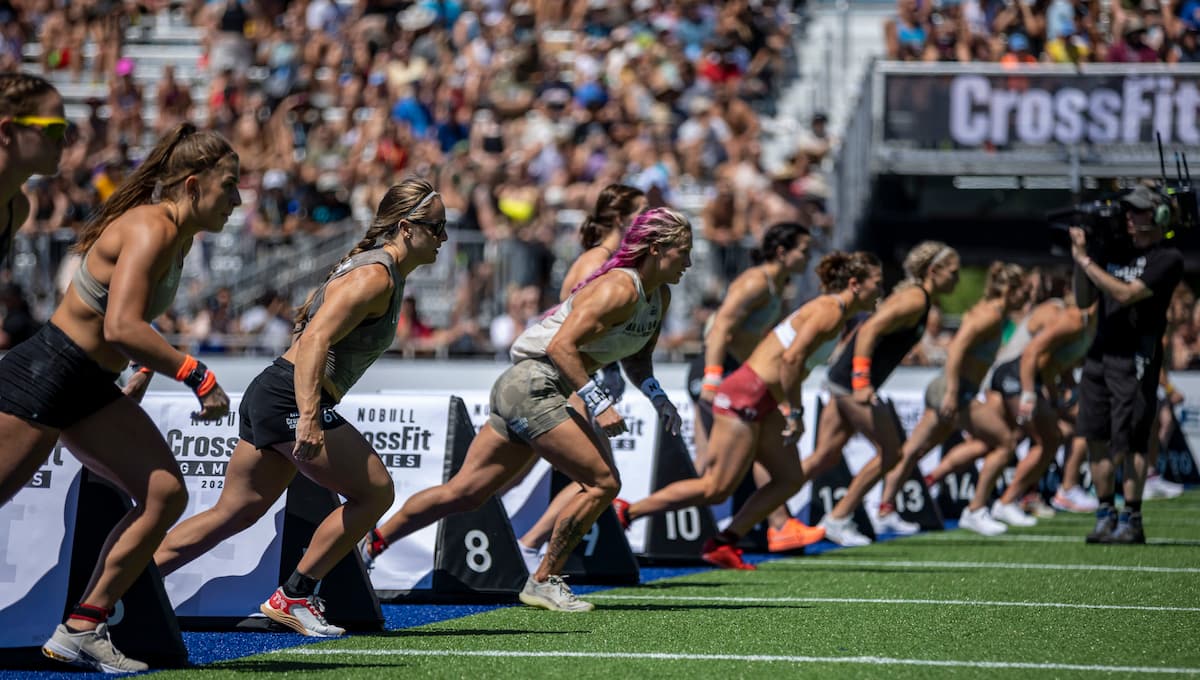
Sprint intervals are a form of high intensity interval training. They involve short bursts of maximal effort followed by recovery periods.
Why Sprint Intervals Work for Fat Loss
Sprint training produces a very high metabolic demand in a short period of time. It activates both aerobic and anaerobic systems and significantly increases excess post exercise oxygen consumption.

This means your body continues to burn calories long after the workout ends. Sprinting also improves mitochondrial function, which enhances fat oxidation.
Scientific Insight
Studies have shown that high intensity interval training can reduce body fat more effectively than steady state cardio, even when total exercise time is lower. It has also been associated with reductions in visceral fat, which is linked to metabolic disease.
How to Use Sprint Intervals
Perform 6 to 10 sprints of 20 to 30 seconds with 60 to 90 seconds of rest. This can be done on a track, bike, or rowing machine. Start conservatively if you are new to high intensity training.
3. Deadlifts
Deadlifts are another compound movement that targets the posterior chain, including the glutes, hamstrings, lower back, and core.
Why Deadlifts Work for Fat Loss
Deadlifts require high levels of muscular effort and coordination. This leads to significant energy expenditure and a strong stimulus for muscle retention.
They also improve functional strength, which can increase overall activity levels in daily life. Higher daily movement contributes to total calorie burn.
Scientific Insight
Compound resistance exercises like deadlifts have been shown to increase post exercise energy expenditure and promote favorable changes in body composition, including reductions in fat mass.
How to Use Deadlifts

Perform 3 to 5 sets of 5 to 10 repetitions. Focus on proper form to avoid injury. Use progressive overload by gradually increasing weight over time.
4. Burpees
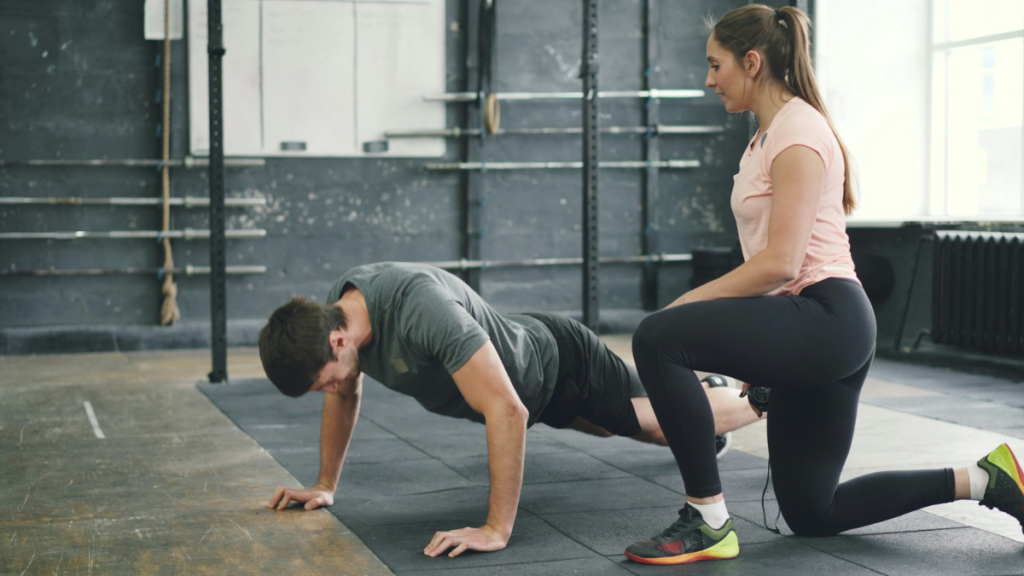
Burpees are a full body exercise that combines strength and cardiovascular demand. They involve a squat, jump, and push up in one continuous movement.
Why Burpees Work for Fat Loss
Burpees elevate heart rate quickly and require coordination across multiple muscle groups. This creates a high calorie burn in a short time.
They are also effective for improving cardiovascular fitness, which supports better recovery and endurance during other workouts.
Scientific Insight
Research has shown that bodyweight exercises performed at high intensity can produce similar cardiovascular and metabolic benefits to traditional endurance training. This includes improvements in aerobic capacity and fat oxidation.
How to Use Burpees
Perform 3 to 5 sets of 10 to 20 repetitions. Alternatively, use timed intervals such as 30 seconds of work followed by 30 seconds of rest.
5. Kettlebell Swings
Kettlebell swings are a dynamic movement that targets the hips, glutes, hamstrings, and core. They also require strong cardiovascular effort.
Why Kettlebell Swings Work for Fat Loss
This exercise combines resistance training with cardiovascular demand. The explosive hip movement increases power output and energy expenditure.
Kettlebell swings are particularly effective for improving aerobic capacity while also building strength. This dual benefit makes them ideal for fat loss.
Scientific Insight
Studies have shown that kettlebell training can significantly increase calorie burn and improve both strength and aerobic fitness. It has been compared to running in terms of cardiovascular demand.
How to Use Kettlebell Swings
Perform 3 to 5 sets of 15 to 25 repetitions. Focus on explosive hip movement rather than using the arms to lift the kettlebell.
How to Combine These Exercises for Maximum Fat Loss
Using these exercises in isolation is effective, but combining them strategically can produce even better results.
Circuit Training Approach
Perform each exercise back to back with minimal rest. This keeps heart rate elevated and increases calorie burn.
Example circuit:
- Squats
- Burpees
- Kettlebell swings
- Deadlifts
- Sprint intervals
Repeat for 3 to 5 rounds.
Progressive Overload
Increase weight, repetitions, or intensity over time. This ensures continued adaptation and prevents plateaus.
Frequency
Train 3 to 5 times per week depending on recovery. Consistency is more important than intensity alone.
Nutrition Still Matters
Even the best exercise program cannot overcome poor nutrition. Fat loss requires a calorie deficit, but the quality of food also matters.
Focus on:
- Adequate protein intake to preserve muscle
- Whole foods for better satiety
- Balanced macronutrients for energy and recovery

Recovery and Sleep
Sleep plays a critical role in fat loss. Poor sleep can disrupt hormones that regulate hunger and metabolism.
Aim for 7 to 9 hours of quality sleep per night. Recovery also includes managing stress and allowing time for muscles to repair.
Common Mistakes to Avoid
Doing Only Cardio
While cardio is useful, relying on it alone can lead to muscle loss and slower metabolism.
Ignoring Intensity
Low effort workouts may not provide enough stimulus for fat loss. Intensity is a key driver of results.
Lack of Consistency
Short bursts of effort followed by long breaks will not produce lasting results. Consistency over time is essential.
Final Thoughts
Fat loss is not about finding a single perfect exercise. It is about combining effective movements with consistency, proper nutrition, and recovery.
Squats, sprint intervals, deadlifts, burpees, and kettlebell swings stand out because they target multiple systems at once. They burn calories, preserve muscle, and improve metabolic health.
By focusing on these exercises and applying them intelligently, you can accelerate fat loss while building a stronger and healthier body.
References
• Boutcher, S.H., 2011. High intensity intermittent exercise and fat loss. Journal of Obesity, 2011, pp.1 to 10.
• Donnelly, J.E. et al., 2009. Appropriate physical activity intervention strategies for weight loss and prevention of weight regain. Medicine and Science in Sports and Exercise, 41(2), pp.459 to 471.
• Egan, B. and Zierath, J.R., 2013. Exercise metabolism and the molecular regulation of skeletal muscle adaptation. Cell Metabolism, 17(2), pp.162 to 184.
• Hackney, A.C., 2020. Stress and the neuroendocrine system. Endocrinology and Metabolism Clinics, 49(3), pp.363 to 375.
• Paoli, A. et al., 2012. High intensity interval resistance training improves cardiovascular fitness and body composition. Journal of Translational Medicine, 10(1), pp.1 to 8.
• Schoenfeld, B.J., 2010. The mechanisms of muscle hypertrophy and their application to resistance training. Journal of Strength and Conditioning Research, 24(10), pp.2857 to 2872.
• Tremblay, A., Simoneau, J.A. and Bouchard, C., 1994. Impact of exercise intensity on body fatness and skeletal muscle metabolism. Metabolism, 43(7), pp.814 to 818.
• Volek, J.S. et al., 2005. Hormonal responses to resistance exercise. Sports Medicine, 35(4), pp.339 to 361.
• Willardson, J.M., 2007. The application of training to failure in periodized multiple set resistance exercise programs. Journal of Strength and Conditioning Research, 21(2), pp.628 to 631.
• Zuhl, M. and Kravitz, L., 2012. HIIT vs continuous endurance training. ACSM Health and Fitness Journal, 16(3), pp.4 to 10.