

The barbell clean and jerk is one of the most powerful and technically demanding movements in strength and conditioning. It is a staple of Olympic weightlifting and a cornerstone in many athletic training programs, including CrossFit and general strength development. Despite its widespread use, the clean and jerk is often misunderstood.
Misconceptions about technique, safety, and training adaptations can lead to poor execution, stalled progress, or even injury.


This article breaks down three of the most common misconceptions about the barbell clean and jerk exercise. Each point is grounded in scientific evidence and practical coaching experience. The goal is to give you a clear understanding of what the movement actually does, how it should be performed, and why it deserves a place in your training program.
What is the Clean and Jerk?
Before diving into misconceptions, it is important to define the movement. The clean and jerk is a compound lift composed of two distinct phases.
The Clean
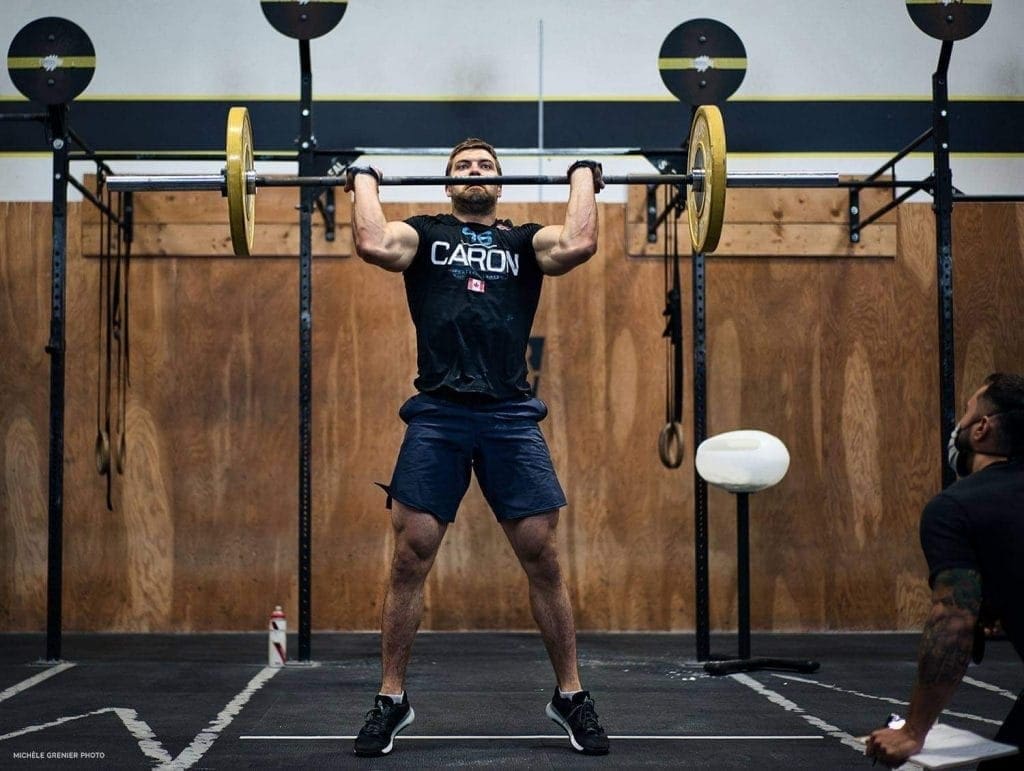
The clean involves lifting the barbell from the floor to the shoulders. This is typically done in one explosive movement, receiving the bar in a front squat position.
The Jerk
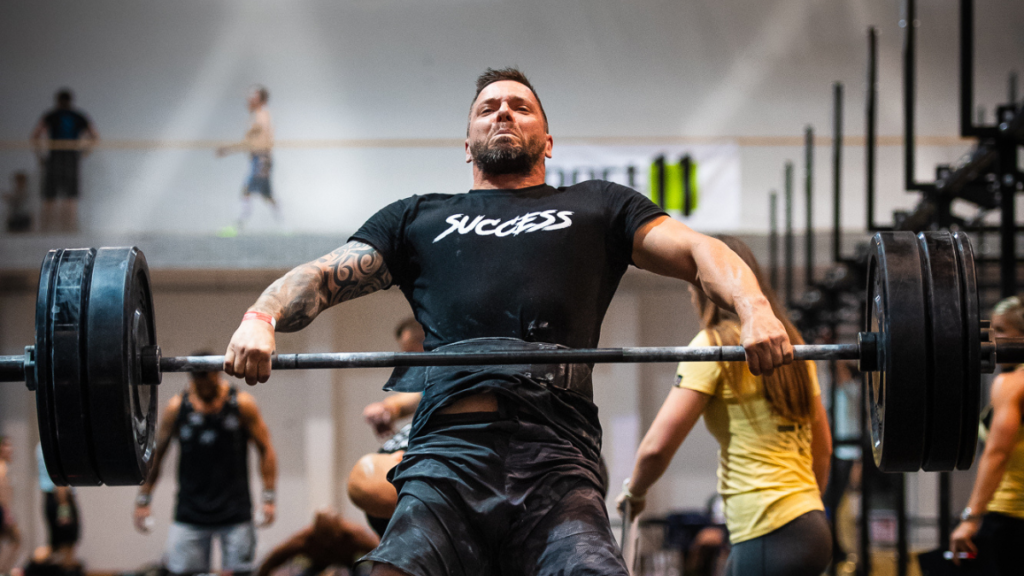
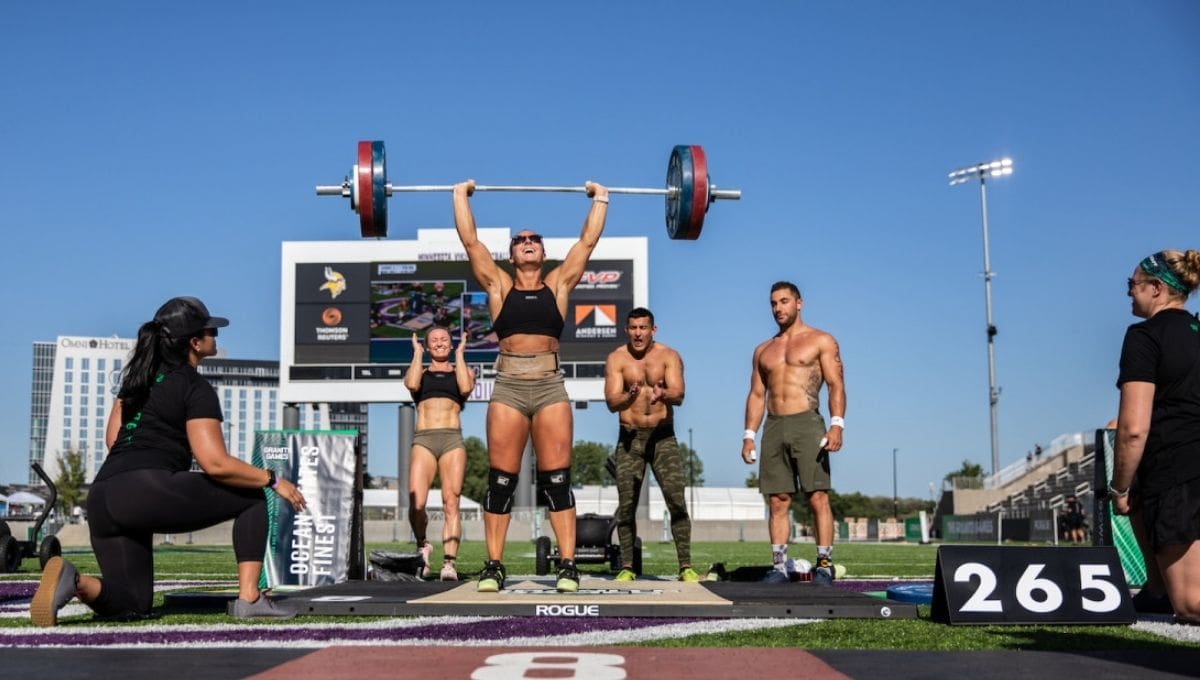
The jerk follows immediately after the clean. The lifter drives the bar overhead using a powerful leg drive and finishes with locked arms and stable posture.

Together, these phases require coordination, strength, speed, and mobility. Research has consistently shown that Olympic lifts like the clean and jerk produce high levels of power output, making them valuable for athletic performance.
Misconception 1: The Clean and Jerk is Only for Olympic Weightlifters
One of the most common myths is that the clean and jerk is only useful for competitive Olympic weightlifters. This belief limits many athletes and general population lifters from benefiting from the exercise.
Why This Misconception Exists
The clean and jerk is a competition lift in Olympic weightlifting, which gives it an aura of specialization. Many people assume that unless they are training for that sport, the movement has little relevance.
The Reality: A Universal Power Builder
The clean and jerk is one of the most effective exercises for developing full body power. Power is defined as the ability to produce force quickly. This quality is critical not only in sports but also in everyday activities like jumping, sprinting, and lifting objects.
Scientific research supports this. Studies have shown that Olympic lifts and their derivatives produce greater peak power outputs compared to traditional resistance exercises like squats and deadlifts. This is due to the rapid triple extension of the hips, knees, and ankles.
Athletes from various sports benefit from this type of training:
- Sprinters improve acceleration and stride power
- Football players enhance explosive strength for tackling and sprinting
- Basketball players increase vertical jump performance
- General population individuals improve functional strength and coordination
A study examining weightlifting movements found that they significantly improved vertical jump performance and sprint speed, both key indicators of athletic ability.
Transfer to Functional Strength
The clean and jerk also mimics real world movement patterns. Lifting an object from the ground and placing it overhead is a functional task that requires coordination and strength across multiple joints.
Research in strength and conditioning shows that multi joint movements improve neuromuscular coordination more effectively than isolated exercises. This means the clean and jerk trains your body to work as a unit rather than as separate parts.
Practical Takeaway
You do not need to be an Olympic weightlifter to benefit from the clean and jerk. It is a versatile exercise that improves power, coordination, and functional strength across a wide range of populations.
Misconception 2: The Clean and Jerk is Dangerous for the Average Person
Another widespread belief is that the clean and jerk is inherently unsafe, especially for beginners or non athletes. This often discourages people from learning the movement.
Why This Misconception Exists
The clean and jerk is technically complex. When performed poorly, it can place stress on the wrists, shoulders, and lower back. Videos of failed lifts can also reinforce the idea that the movement is risky.
The Reality: Injury Risk is Comparable or Lower Than Other Lifts
Scientific evidence does not support the idea that Olympic lifts are unusually dangerous. In fact, research comparing injury rates across different strength sports shows that Olympic weightlifting has a relatively low injury rate.
One review of strength sports found that Olympic weightlifting had fewer injuries per training hour than sports like soccer and rugby. Even compared to powerlifting, the injury rates were similar or lower.
The key factor is technique. When the movement is performed correctly and progressed gradually, the risk of injury is low.
Proper Technique Reduces Risk
Several biomechanical factors contribute to the safety of the clean and jerk:
- The bar path stays close to the body, reducing shear forces on the spine
- The load is distributed across multiple joints, lowering stress on any single area
- The receiving position in the clean allows the legs to absorb force
- The jerk uses leg drive to move the bar rather than relying solely on the shoulders
Research on lifting mechanics shows that distributing load across multiple joints reduces injury risk compared to isolated movements.
Mobility and Preparation Matter
While the clean and jerk is safe when performed correctly, it does require adequate mobility and preparation. Key areas include:
- Ankle mobility for the squat position
- Hip mobility for proper pulling mechanics
- Shoulder mobility for the overhead position
- Wrist flexibility for the front rack
A structured progression is essential. Beginners should start with lighter loads and simplified variations such as hang cleans or push presses.
Coaching and Learning Curve
Learning the clean and jerk requires guidance. Studies on motor learning emphasize the importance of coaching and feedback when acquiring complex skills.
Working with a qualified coach or using structured programs can significantly reduce the risk of injury and improve performance.
Practical Takeaway
The clean and jerk is not inherently dangerous. Like any exercise, it carries risk if performed incorrectly. With proper technique, progression, and coaching, it is a safe and effective movement.
Misconception 3: The Clean and Jerk is Only About Strength
Many people assume that the clean and jerk is primarily a strength exercise. While strength is important, this view overlooks the true nature of the movement.
Why This Misconception Exists
The use of heavy weights leads people to associate the clean and jerk with maximal strength. However, the defining characteristic of the lift is not just how much weight is lifted, but how quickly it is moved.
The Reality: A High Power and Skill Movement
The clean and jerk is fundamentally a power exercise. Power combines strength and speed. The ability to generate force rapidly is what allows the barbell to be lifted explosively.
Research comparing Olympic lifts to traditional strength exercises shows that the clean and jerk produces significantly higher power outputs. This makes it particularly valuable for athletic development.
Neuromuscular Coordination
The clean and jerk requires precise timing and coordination. Multiple muscle groups must activate in sequence:
- The posterior chain initiates the pull
- The hips extend explosively
- The upper body guides the bar
- The legs and core stabilize the receiving position
Studies on neuromuscular activation show that Olympic lifts involve high levels of muscle coordination and rapid firing rates. This enhances the efficiency of movement patterns.
Rate of Force Development
Rate of force development is a key factor in athletic performance. It refers to how quickly force can be produced.
The clean and jerk is one of the most effective exercises for improving this quality. Research has shown that training with explosive movements leads to significant improvements in rate of force development compared to slower lifts.
Skill Component
Unlike many strength exercises, the clean and jerk has a significant skill component. This means that technique and practice play a major role in performance.
Motor learning research highlights that skill based movements improve with repetition and feedback. This makes the clean and jerk both a physical and neurological challenge.
Practical Takeaway
The clean and jerk is not just about strength. It is a complex movement that develops power, coordination, and skill. Treating it as purely a strength exercise limits its potential.
Additional Benefits of the Clean and Jerk
Beyond addressing misconceptions, it is worth highlighting the broader benefits of the movement.
Full Body Muscle Activation
The clean and jerk engages nearly every major muscle group. Research using electromyography has shown high activation levels in:
- Quadriceps
- Hamstrings
- Glutes
- Core muscles
- Shoulders and upper back
This makes it an efficient exercise for building overall strength and muscle.
Hormonal Response
Compound movements like the clean and jerk can stimulate hormonal responses that support muscle growth and recovery. Studies have shown increases in anabolic hormones following high intensity resistance training involving large muscle groups.
Bone Density
Weight bearing exercises are known to improve bone density. Olympic lifts, due to their high loading and dynamic nature, are particularly effective in this regard.
Time Efficiency
Because the clean and jerk works multiple muscle groups and qualities at once, it is highly time efficient. This is especially valuable for individuals with limited training time.
How to Incorporate the Clean and Jerk
Start with Progressions
Beginners should not jump directly into full clean and jerk lifts. Start with:
- Deadlifts
- Front squats
- Hang cleans
- Push presses
These movements build the necessary strength and coordination.
Focus on Technique First
Technique should always come before load. Practicing with lighter weights allows you to develop proper mechanics.
Use Appropriate Volume
The clean and jerk is demanding. Training programs should include adequate rest and recovery.
Combine with Other Training
While the clean and jerk is powerful, it should be part of a balanced program that includes:
- Strength training
- Mobility work
- Conditioning
Conclusion
The barbell clean and jerk is one of the most misunderstood exercises in strength training. It is not limited to Olympic weightlifters, it is not inherently dangerous, and it is not just about strength.
Instead, it is a highly effective movement for developing power, coordination, and functional strength. Scientific evidence supports its benefits across a wide range of populations.
By understanding and correcting these misconceptions, you can unlock the full potential of the clean and jerk and make it a valuable part of your training routine.
References
- Garhammer, J. (1993). A review of power output studies of Olympic and powerlifting. Journal of Strength and Conditioning Research, 7(2), 76-89.
- Haff, G. and Triplett, N. (2016). Essentials of Strength Training and Conditioning. Human Kinetics.
- Stone, M., Pierce, K., Sands, W. and Stone, M. (2006). Weightlifting: A brief overview. Strength and Conditioning Journal, 28(1), 50-66.
- Suchomel, T., Comfort, P. and Stone, M. (2015). Weightlifting pulling derivatives: Rationale for implementation and application. Sports Medicine, 45(6), 823-839.
- Chiu, L. and Schilling, B. (2005). A primer on weightlifting: From sport to sports training. Strength and Conditioning Journal, 27(1), 42-48.
- Keogh, J. and Winwood, P. (2017). The epidemiology of injuries across the weight training sports. Sports Medicine, 47(3), 479-501.