

The barbell jerk is one of the most powerful and technically demanding movements in strength training. It is a core component of Olympic weightlifting and a highly effective exercise for developing explosive strength, coordination, and overhead stability. Despite its widespread use, the jerk is often misunderstood. Many athletes and coaches approach it with incorrect assumptions that limit performance and increase injury risk.
This article addresses three of the most common misconceptions about the barbell jerk exercise. Each misconception will be unpacked using scientific evidence and practical coaching insights. The goal is to provide a clear and evidence based understanding of how the jerk actually works and how to perform it effectively.


Understanding the Barbell Jerk
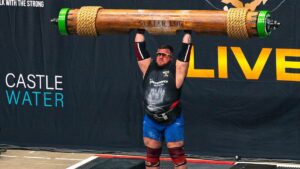
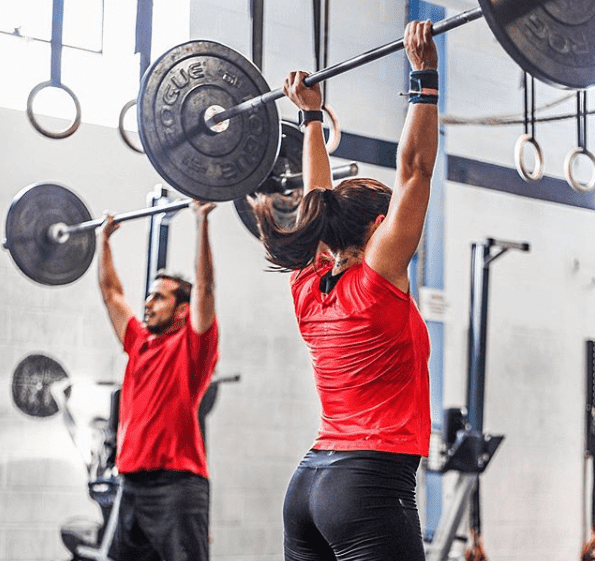
Before addressing misconceptions, it is important to understand what the jerk actually is. The jerk is the second phase of the clean and jerk, where the barbell is driven from the shoulders to overhead using a rapid dip and drive followed by a receiving position under the bar.

Key Characteristics of the Jerk
- It is a power movement that relies on rate of force development
- It requires coordination between the lower and upper body
- It depends heavily on technique rather than brute strength alone
- It involves rapid eccentric and concentric muscle actions
Biomechanically, the jerk relies on efficient force transfer from the legs through the torso to the barbell. Studies on Olympic weightlifting movements show that peak power outputs during the jerk are among the highest recorded in resistance training exercises.
Misconception 1: The Jerk is Primarily an Upper Body Exercise
One of the most common misconceptions is that the jerk is driven mainly by the shoulders and arms. This belief leads to poor technique and limits performance.
Why This Misconception Exists
The bar ends overhead, which visually suggests that the upper body is doing most of the work. Many beginners also feel fatigue in their shoulders, reinforcing the idea that the shoulders are the primary movers.
The Reality: The Legs Generate the Force
Scientific analyses of weightlifting movements consistently show that the majority of force in the jerk is generated by the lower body. The dip and drive phase is where the barbell gains upward momentum.
During this phase:
- The quadriceps and glutes produce the primary force
- The ankle plantar flexors contribute to final extension
- The upper body acts mainly as a transmission system
Electromyography studies show that muscle activation in the legs during the jerk is significantly higher than in the shoulders during the drive phase. The shoulders and arms are primarily responsible for stabilizing the bar once it is overhead, not for lifting it.
Implications for Training
Understanding that the jerk is leg driven has major implications:
- Athletes should focus on leg strength and explosive power
- Drills like jerk dips and drives are critical
- Overemphasis on pressing strength can be counterproductive
Coaching Cue
Think of the jerk as a jump with a barbell that you catch overhead. This mental model aligns more closely with the actual biomechanics.
Misconception 2: You Should Press the Bar Overhead
Another widespread misconception is that the barbell should be pressed overhead using the arms. This often results in a slow and inefficient lift.
Why This Misconception Persists
Pressing movements like the shoulder press are familiar to most lifters. When faced with a heavy barbell, the instinct is to push it upward using the arms.
The Reality: The Arms Do Not Press the Bar
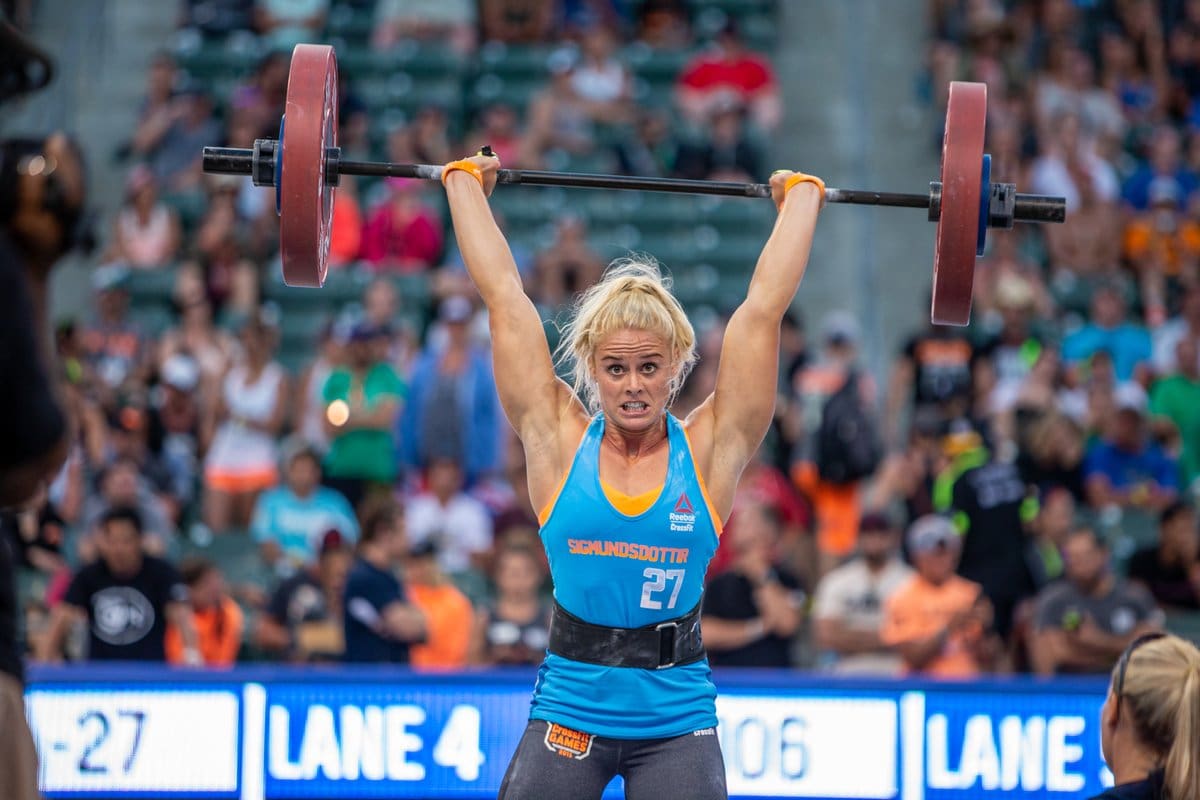
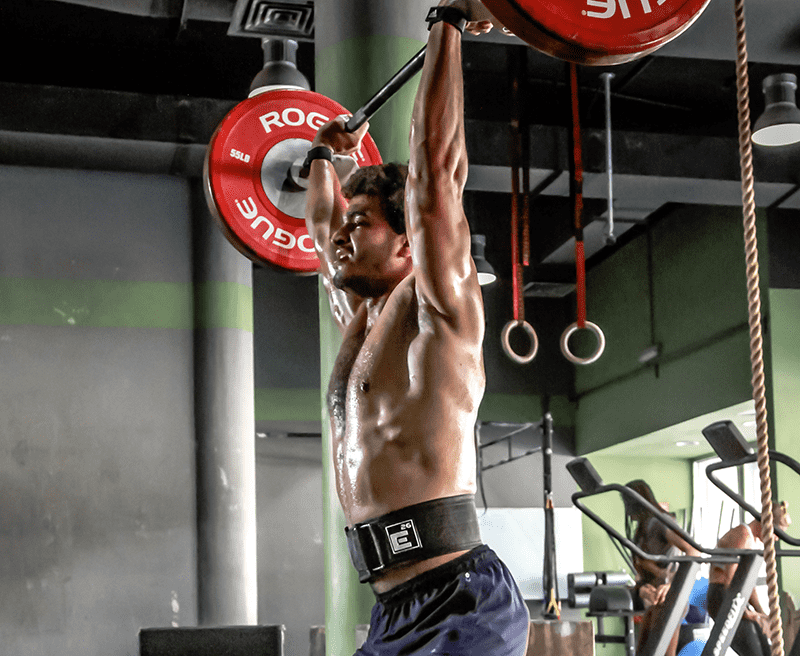
In a properly executed jerk, the arms do not actively press the bar overhead during the drive phase. Instead, the bar is propelled upward by the legs, and the lifter moves under the bar into a receiving position.
Biomechanical studies show that:
- The barbell reaches peak upward velocity before the arms fully extend
- The lifter then repositions under the bar rather than pushing it higher
- The arms lock out to stabilize, not to generate force
This is a critical distinction. Attempting to press the bar reduces efficiency and limits the amount of weight that can be lifted.
The Role of the Arms
The arms serve two main functions:
- Transferring force from the legs to the bar
- Locking out quickly to secure the bar overhead
Rapid elbow extension is important, but it is not the same as pressing. It is more of a reactive action than a force producing one.
Consequences of Pressing
Trying to press the bar can lead to:
- Slower bar speed
- Reduced load capacity
- Increased shoulder strain
- Poor timing and coordination
Coaching Cue
Focus on pushing yourself under the bar rather than pushing the bar up. This shift in thinking can dramatically improve technique.
Misconception 3: Stability Comes from the Shoulders Alone
Many athletes believe that overhead stability in the jerk depends primarily on shoulder strength. While shoulder stability is important, this view ignores the role of the entire kinetic chain.
Why This Misconception Happens
The overhead position places visible stress on the shoulders, leading athletes to assume that shoulder strength is the limiting factor.
The Reality: Stability is a Full Body Effort
Overhead stability in the jerk depends on multiple factors:
- Core stability
- Lower body positioning
- Balance and proprioception
- Joint alignment
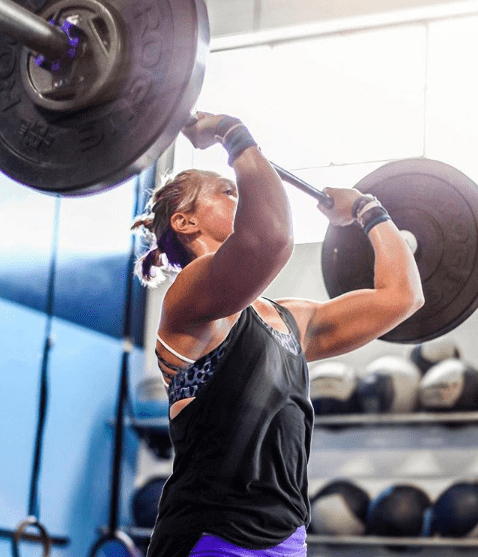
Research on overhead lifting shows that trunk stability plays a critical role in maintaining control of the barbell. Weakness in the core can lead to compensations that increase injury risk.
The Importance of the Split or Squat Position
In variations like the split jerk, the lower body provides a stable base of support. Proper foot placement and weight distribution are essential.
Key elements include:
- Front foot flat with the knee tracking forward
- Back heel elevated with slight knee bend
- Even weight distribution between both legs
Studies on balance and stability indicate that a wider base of support improves control during dynamic movements.
The Role of the Core
The core acts as a bridge between the lower and upper body. It helps maintain:
- Neutral spine alignment
- Efficient force transfer
- Resistance to external perturbations
Strong core musculature is associated with improved performance in Olympic lifts.
Shoulder Stability Still Matters
While not the sole factor, shoulder stability is still important. The rotator cuff and scapular stabilizers help maintain joint integrity under load. However, focusing only on the shoulders neglects the bigger picture.
Coaching Cue
Think of the jerk as a full body stabilization challenge. Every segment of the body contributes to holding the bar overhead.
Biomechanics of the Jerk
Understanding the biomechanics helps reinforce why these misconceptions are incorrect.
Phases of the Jerk
- Dip phase
A controlled downward movement that loads the legs - Drive phase
Rapid extension of the hips, knees, and ankles - Flight phase
The bar continues upward due to momentum - Catch phase
The lifter moves under the bar - Recovery phase
The lifter stabilizes and stands up
Each phase requires precise timing and coordination.
Force Production
Peak force occurs during the drive phase. Studies show that vertical ground reaction forces during the jerk can exceed several times body weight.
Rate of Force Development
The jerk relies heavily on rate of force development. Faster force production leads to higher bar velocity and better performance.
Programming the Jerk Effectively
Correcting misconceptions allows for better training strategies.
Key Training Focus Areas
- Lower body strength and power
- Technique refinement
- Core stability
- Mobility and positioning
Useful Exercises
- Jerk dips and drives
- Push jerks
- Split jerks
- Front squats
- Overhead holds
Frequency and Volume
Training frequency depends on experience level. Advanced lifters may perform jerk variations multiple times per week, while beginners should focus on technique with moderate volume.
Injury Prevention
Misconceptions often lead to poor mechanics, which increase injury risk.
Common Injury Risks
- Shoulder impingement
- Wrist strain
- Lower back stress
Prevention Strategies
- Emphasize proper technique
- Strengthen the entire kinetic chain
- Use appropriate loads
- Incorporate mobility work
Research shows that proper technique reduces injury risk in resistance training.
Practical Coaching Tips
- Keep the dip vertical and controlled
- Drive explosively through the legs
- Move under the bar quickly
- Maintain a strong and stable receiving position
- Practice consistently with submaximal loads
Conclusion
The barbell jerk is a complex and highly effective exercise, but it is often misunderstood. The idea that it is an upper body movement, that the bar should be pressed overhead, and that stability comes only from the shoulders are all incorrect.
Scientific evidence clearly shows that the jerk is a leg driven, full body movement that relies on coordination, speed, and stability. Correcting these misconceptions can lead to better performance, safer training, and more efficient technique.
By focusing on the true mechanics of the jerk, athletes can unlock its full potential and make significant gains in strength and power.
Key Takeaways
| Concept | Key Point | Practical Application |
|---|---|---|
| Force Production | Legs generate most of the force | Train explosive leg power |
| Arm Function | Arms stabilize, not press | Focus on fast lockout |
| Stability | Full body involvement | Strengthen core and lower body |
| Technique | Timing and coordination matter most | Practice with proper drills |
| Injury Prevention | Poor mechanics increase risk | Prioritize form over load |
References
- Journal of Strength and Conditioning Research
Cormie, P., McGuigan, M. and Newton, R. (2011). Developing maximal neuromuscular power. - Sports Biomechanics
Garhammer, J. (1993). A review of power output studies of Olympic and powerlifting. - Journal of Sports Sciences
Haff, G. and Nimphius, S. (2012). Training principles for power. - European Journal of Applied Physiology
Gourgoulis, V. et al. (2009). Kinematic analysis of the jerk in Olympic weightlifting. - Journal of Electromyography and Kinesiology
Enoka, R. (1996). Eccentric contractions require unique activation strategies. - Strength and Conditioning Journal
Stone, M., Stone, M. and Sands, W. (2007). Principles and practice of resistance training.