

Strong legs are the foundation of athletic performance, daily function, and long term health. Whether your goal is to run faster, lift heavier, reduce injury risk, or simply move better, improving leg strength delivers measurable benefits. Research consistently shows that lower body strength is closely linked to mobility, balance, metabolic health, and even longevity.
The good news is that you can make significant improvements in just 30 days if you follow a structured and science based approach. Muscle tissue responds quickly to the right combination of resistance training, nutrition, and recovery. Neural adaptations alone can increase strength within the first few weeks, even before major muscle growth occurs.


This article breaks down exactly how to strengthen your legs in 30 days using evidence based principles. You will learn how muscles adapt, which exercises are most effective, how often to train, and how to support your progress with proper recovery and nutrition.
The Science of Leg Strength
How Muscles Get Stronger
Strength gains come from two main processes. The first is neural adaptation. Your nervous system becomes more efficient at recruiting muscle fibers, which increases force production. This can happen within the first week of training.
The second is muscle hypertrophy. This refers to an increase in muscle fiber size. Resistance training causes microscopic damage to muscle tissue, which then rebuilds stronger during recovery. Protein synthesis plays a key role in this process.
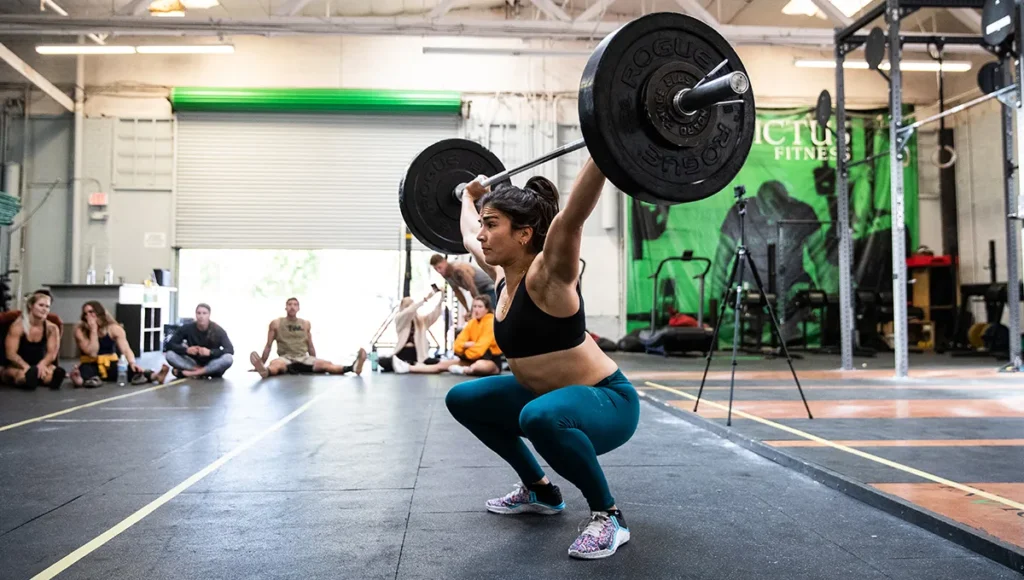
Studies show that progressive resistance training increases both muscle size and strength in as little as four weeks. The rate of improvement depends on training intensity, frequency, and individual factors such as training history.
Why Leg Training Matters
Leg muscles are the largest muscle group in the body. Training them has systemic benefits beyond strength. These include:
- Improved insulin sensitivity
- Increased resting metabolic rate
- Better bone density
- Reduced risk of falls and injuries
Compound lower body exercises such as squats and deadlifts also activate multiple muscle groups and stimulate hormonal responses that support overall muscle growth.
Key Principles for Building Strong Legs in 30 Days
Progressive Overload
To get stronger, you must gradually increase the demands placed on your muscles. This can be done by increasing weight, repetitions, or training volume.
Research shows that progressive overload is essential for continued strength gains. Without it, the body adapts and progress stalls.
Training Frequency
Training legs two to three times per week is optimal for most people. Studies comparing different frequencies suggest that spreading volume across multiple sessions improves strength and recovery.
Exercise Selection
Compound exercises should form the foundation of your program. These movements engage multiple joints and muscle groups.
Examples include:
- Squats
- Deadlifts
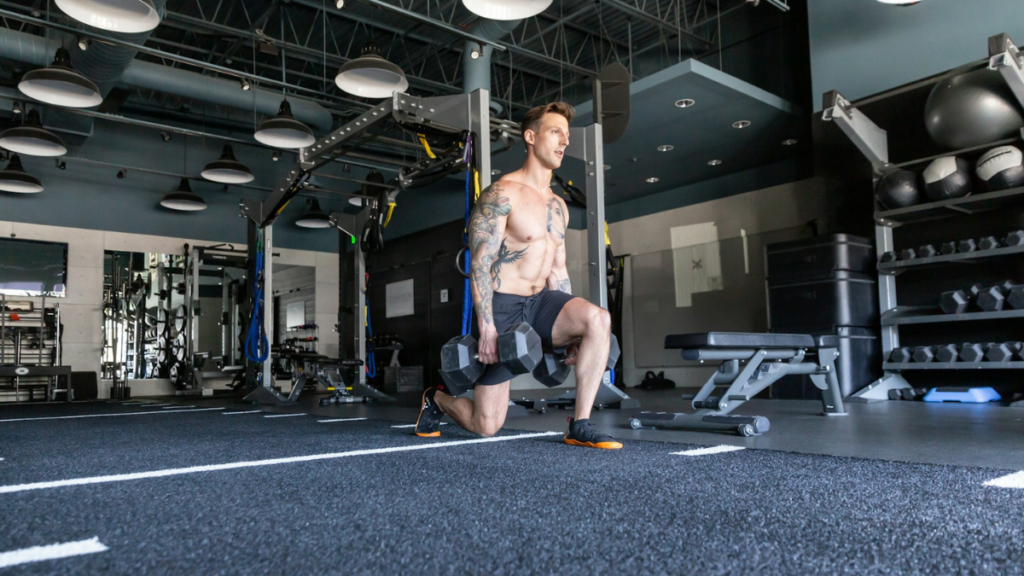
- Lunges
- Step ups
Isolation exercises can complement these movements by targeting specific muscles.
Intensity and Volume
Strength gains are maximized when training at moderate to high intensity. This typically means lifting weights that are challenging for 6 to 12 repetitions.
Volume refers to the total amount of work performed. Research indicates that higher training volume is associated with greater muscle growth, provided recovery is adequate.
Recovery
Muscle growth occurs during recovery, not during training. Sleep and nutrition are critical components.
Studies show that sleep deprivation reduces muscle protein synthesis and impairs recovery. Aim for at least seven hours of sleep per night.
The 30 Day Leg Strength Program
Weekly Structure
You will train legs three times per week. Each session focuses on slightly different aspects of strength.
- Day 1: Heavy compound lifts
- Day 2: Moderate load with higher volume
- Day 3: Unilateral and stability work
This approach ensures balanced development and reduces injury risk.

Week 1 to 2: Foundation Phase
Focus on learning proper technique and building consistency.
Sample workout:
- Back squat: 3 sets of 8 reps
- Romanian deadlift: 3 sets of 10 reps
- Walking lunges: 3 sets of 12 reps per leg
- Leg curl: 3 sets of 12 reps
- Calf raises: 3 sets of 15 reps
Use a weight that feels challenging but allows good form.
Week 3 to 4: Progressive Phase
Increase intensity and volume.
Sample workout:
- Back squat: 4 sets of 6 reps
- Deadlift: 4 sets of 6 reps
- Bulgarian split squat: 3 sets of 10 reps per leg
- Leg press: 3 sets of 12 reps
- Calf raises: 4 sets of 15 reps
Aim to increase weight each week.
Best Exercises for Stronger Legs
Squats
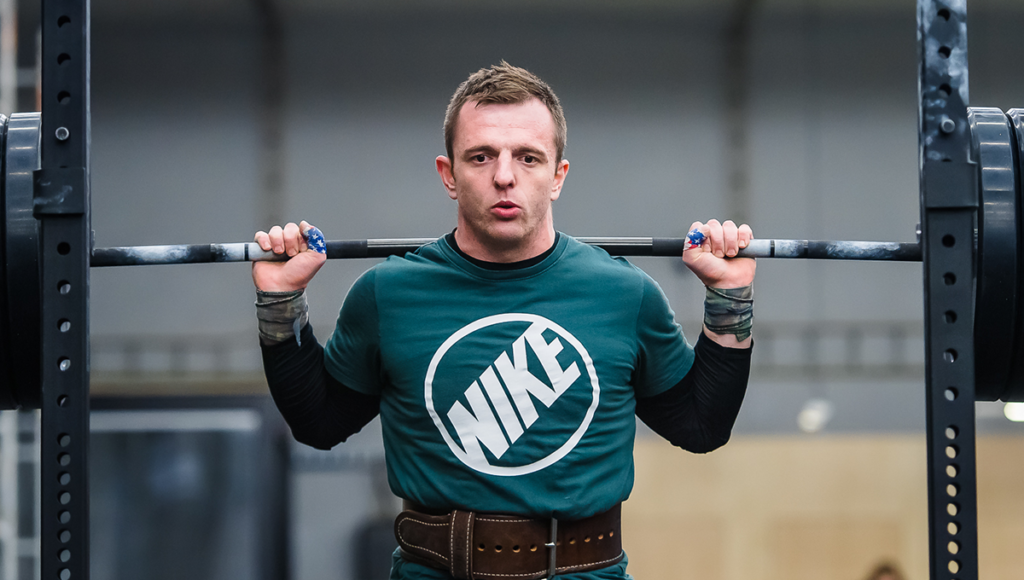
Squats are one of the most effective lower body exercises. They target the quadriceps, glutes, and hamstrings while also engaging the core.
Research shows that squats activate more muscle mass than most other lower body movements.
Deadlifts
Deadlifts primarily target the posterior chain, including the hamstrings and glutes. They also improve overall strength and posture.
Studies indicate that deadlifts enhance both strength and functional movement patterns.
Lunges
Lunges improve balance and coordination while strengthening each leg individually. This helps correct muscle imbalances.
Step Ups
Step ups mimic everyday movements such as climbing stairs. They are highly functional and effective for building unilateral strength.
Leg Press
The leg press allows you to lift heavy loads with reduced strain on the lower back. It is a useful supplement to squats.
The Role of Nutrition
Protein Intake
Protein is essential for muscle repair and growth. Research suggests that consuming around 1.6 to 2.2 grams of protein per kilogram of body weight per day supports muscle hypertrophy.
Good sources include:
- Lean meats
- Eggs
- Dairy
- Legumes
Carbohydrates
Carbohydrates provide energy for training. Low carbohydrate intake can reduce performance and limit strength gains.
Healthy Fats
Fats support hormone production, including testosterone, which plays a role in muscle growth.
Hydration
Dehydration can impair strength and endurance. Even mild dehydration reduces performance.
Recovery Strategies
Sleep
Sleep is one of the most important factors for muscle recovery. Growth hormone release peaks during deep sleep.
Active Recovery
Light activity such as walking or stretching can improve blood flow and reduce muscle soreness.
Stretching and Mobility
Maintaining flexibility helps prevent injuries and improves movement efficiency.
Common Mistakes to Avoid
Skipping Warm Ups
A proper warm up prepares the muscles and reduces injury risk. Dynamic movements are more effective than static stretching before workouts.
Poor Technique
Using incorrect form reduces effectiveness and increases injury risk. Focus on quality over quantity.
Overtraining
Training too frequently without adequate recovery can lead to fatigue and reduced performance.
Ignoring Nutrition
Without proper nutrition, your body cannot recover or grow effectively.
Measuring Progress
Track your workouts and aim to improve each week. This can include:
- Increasing weight
- Performing more repetitions
- Improving technique
Strength gains can occur even if visible muscle growth is minimal in the first few weeks.
What Results to Expect in 30 Days
Within 30 days, you can expect:
- Noticeable strength improvements
- Better muscle activation
- Improved endurance
- Enhanced movement quality
Visible muscle growth may begin to appear, especially for beginners.
Conclusion
Strengthening your legs in 30 days is achievable with a structured and science based approach. By focusing on progressive overload, proper exercise selection, and consistent training, you can make meaningful progress in a short period of time.
Combine this with adequate nutrition and recovery, and you will build a strong foundation for long term success. The key is consistency and attention to detail.
Key Takeaways
| Key Point | Summary |
|---|---|
| Training Frequency | Train legs 2 to 3 times per week for optimal results |
| Progressive Overload | Gradually increase weight or reps to drive strength gains |
| Exercise Selection | Focus on compound movements like squats and deadlifts |
| Nutrition | Consume enough protein and carbohydrates to support growth |
| Recovery | Prioritize sleep and rest for muscle repair |
| Timeline | Expect strength gains within weeks and visible changes over time |
References
- American College of Sports Medicine (2009) ‘Progression models in resistance training for healthy adults’, Medicine and Science in Sports and Exercise, 41(3), pp. 687 to 708.
- Schoenfeld, B.J. (2010) ‘The mechanisms of muscle hypertrophy and their application to resistance training’, Journal of Strength and Conditioning Research, 24(10), pp. 2857 to 2872.
- Morton, R.W. et al. (2018) ‘A systematic review of protein supplementation on resistance training induced gains’, British Journal of Sports Medicine, 52(6), pp. 376 to 384.
- Grgic, J. et al. (2018) ‘Effects of resistance training frequency on gains in muscular strength’, Sports Medicine, 48(5), pp. 1207 to 1220.
- Kraemer, W.J. and Ratamess, N.A. (2004) ‘Fundamentals of resistance training’, Medicine and Science in Sports and Exercise, 36(4), pp. 674 to 688.
- Phillips, S.M. and Van Loon, L.J.C. (2011) ‘Dietary protein for athletes’, Journal of Sports Sciences, 29(sup1), pp. S29 to S38.