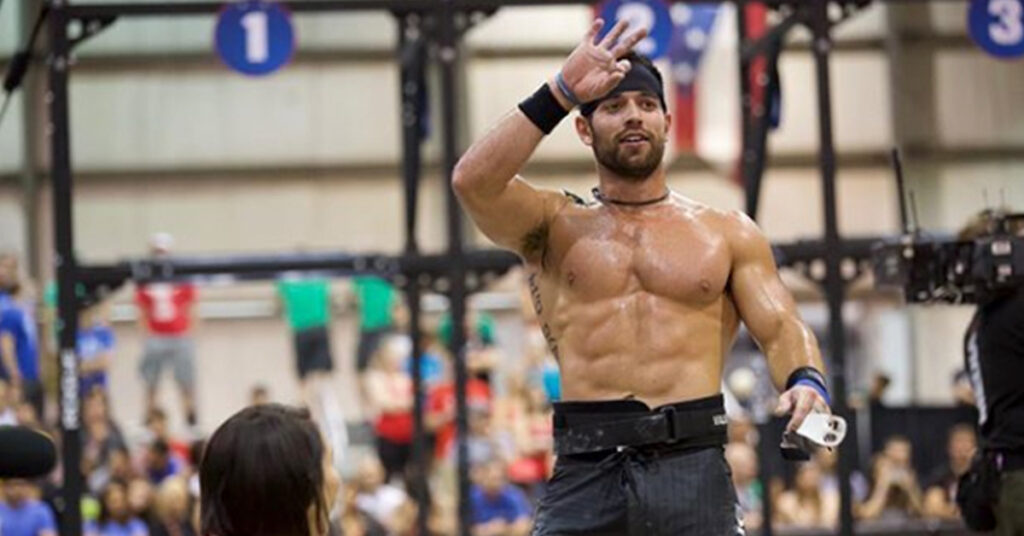


Building a stronger chest in three weeks is realistic if you approach training with structure, progressive overload, and proper recovery. The chest muscles respond well to frequent, well programmed resistance training, especially when paired with sufficient protein intake and sleep.
This guide explains exactly how to do it using science backed principles, without wasting time on ineffective routines.


Understanding the Chest Muscles
The chest is primarily made up of the pectoralis major and pectoralis minor.
Pectoralis Major
This is the large, visible muscle that gives the chest its size and shape. It has two main parts:
- Clavicular head, often called the upper chest
- Sternal head, often called the mid and lower chest
These fibers work together to perform horizontal pressing, shoulder flexion, and adduction.
Pectoralis Minor
This smaller muscle lies underneath the pectoralis major. It helps stabilize the shoulder blade and contributes to proper pressing mechanics. To strengthen your chest effectively, your training must target all regions of the pectoralis major while supporting proper shoulder function.
What Happens in 3 Weeks
Three weeks is enough time to see measurable improvements in strength and neuromuscular efficiency. Muscle size gains may begin, but most visible hypertrophy will be modest.
Strength Gains
Early strength improvements are driven mainly by neural adaptations. Your nervous system becomes more efficient at recruiting muscle fibers and coordinating movement. Research shows that neural adaptations dominate in the first few weeks of resistance training before hypertrophy becomes the primary driver of strength.

Muscle Growth
Hypertrophy can begin within a few weeks if training volume and nutrition are sufficient. Muscle protein synthesis increases after resistance training and remains elevated for up to 48 hours. Consistent training within this window helps maximize growth.
Key Principles for Rapid Chest Strength Gains
Progressive Overload
You must gradually increase the demand placed on your muscles. This can be done by:
- Increasing weight
- Increasing repetitions
- Increasing sets
- Improving technique and control
Without progressive overload, your chest will not continue to adapt.
Training Volume
Weekly volume is one of the strongest predictors of muscle growth. Aim for:
- 10 to 20 total working sets per week for the chest
This range has been shown to maximize hypertrophy for most individuals.
Training Frequency
Training the chest multiple times per week is more effective than once weekly. Optimal frequency:
- 2 to 3 sessions per week
This allows repeated stimulation of muscle protein synthesis.
Exercise Selection
Use a combination of compound and isolation exercises.
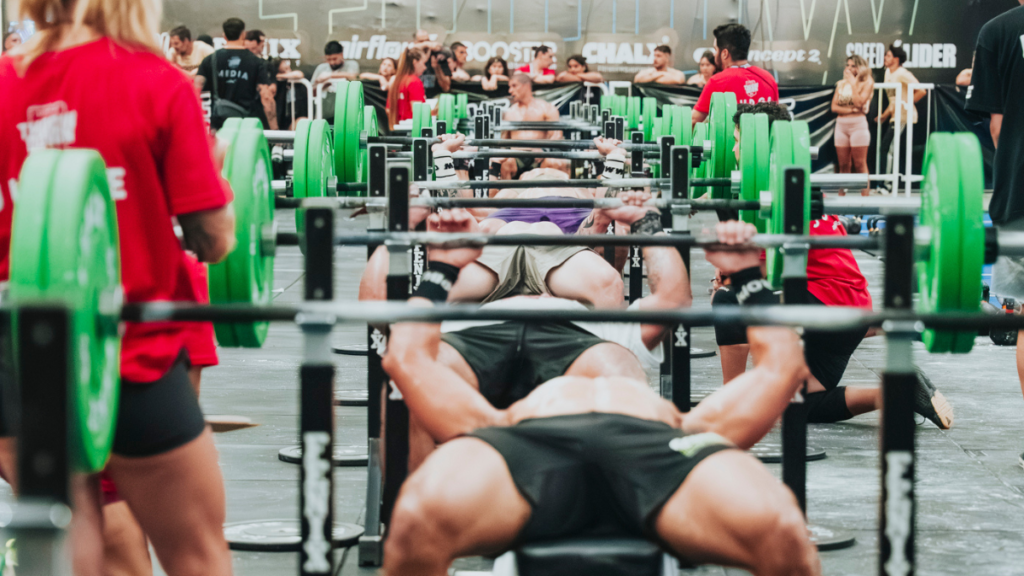
Compound movements:
- Bench press
- Incline press
- Dips
Isolation movements:
- Cable fly
- Dumbbell fly
Compound lifts build strength efficiently, while isolation work improves muscle activation and balance.
Intensity and Effort
Train close to muscular failure. Leave 1 to 3 repetitions in reserve on most sets. Training too far from failure reduces stimulus, while constant failure can impair recovery.
The 3 Week Chest Strength Program
This program is designed for three chest focused sessions per week.
Weekly Structure
- Day 1: Heavy strength focus
- Day 2: Moderate hypertrophy focus
- Day 3: Volume and pump focus
Rest at least one day between sessions.
Week 1
Day 1
- Barbell bench press: 4 sets of 5 reps
- Incline dumbbell press: 3 sets of 8 reps
- Weighted dips: 3 sets of 6 to 8 reps
- Cable fly: 3 sets of 12 reps
Day 2
- Incline barbell press: 4 sets of 6 reps
- Flat dumbbell press: 3 sets of 10 reps
- Machine chest press: 3 sets of 10 reps
- Pec deck: 3 sets of 12 to 15 reps
Day 3
- Dumbbell bench press: 4 sets of 10 reps
- Push ups: 3 sets to near failure
- Cable crossovers: 3 sets of 15 reps
- Chest dips: 3 sets of 10 reps
Week 2
Increase load slightly or add repetitions.
Day 1
- Barbell bench press: 4 sets of 5 reps, heavier than week 1
- Incline dumbbell press: 3 sets of 8 to 9 reps
- Weighted dips: 3 sets of 7 to 9 reps
- Cable fly: 3 sets of 12 to 14 reps
Day 2
- Incline barbell press: 4 sets of 6 reps
- Flat dumbbell press: 3 sets of 10 to 11 reps
- Machine chest press: 3 sets of 10 to 12 reps
- Pec deck: 3 sets of 13 to 15 reps
Day 3
- Dumbbell bench press: 4 sets of 10 to 12 reps
- Push ups: 3 sets closer to failure
- Cable crossovers: 3 sets of 15 to 18 reps
- Chest dips: 3 sets of 10 to 12 reps
Week 3
Push intensity while maintaining good form.
Day 1
- Barbell bench press: 5 sets of 4 reps
- Incline dumbbell press: 4 sets of 8 reps
- Weighted dips: 4 sets of 6 to 8 reps
- Cable fly: 3 sets of 12 reps
Day 2
- Incline barbell press: 4 sets of 6 reps
- Flat dumbbell press: 4 sets of 10 reps
- Machine chest press: 3 sets of 10 reps
- Pec deck: 3 sets of 15 reps
Day 3
- Dumbbell bench press: 4 sets of 12 reps
- Push ups: 3 sets to near failure
- Cable crossovers: 3 sets of 15 to 20 reps
- Chest dips: 3 sets of 12 reps
Proper Technique for Maximum Chest Activation
Bench Press
- Keep shoulder blades retracted
- Lower the bar under control
- Press through the chest, not just the arms
Research shows that proper scapular positioning increases pectoral activation and reduces shoulder stress.
Incline Press
- Set bench angle between 30 and 45 degrees
- Focus on upper chest contraction
- Avoid excessive arching
Cable Fly
- Maintain slight bend in elbows
- Focus on squeezing the chest at peak contraction
- Control the eccentric phase
Electromyography studies show that controlled movement increases muscle activation.
Nutrition for Chest Strength Gains
Protein Intake
Protein is essential for muscle repair and growth. Recommended intake is 1.6 to 2.2 grams per kilogram of body weight per day. Higher protein intake supports greater hypertrophy during resistance training.
Caloric Intake
To maximize strength and growth eat at maintenance or slight surplus as a deficit will limit muscle growth.
Recovery and Sleep
Sleep
Aim for 7 to 9 hours per night. Sleep is critical for recovery and hormone regulation and sleep deprivation reduces muscle recovery and performance.
Rest Days
Rest allows muscles to repair and grow. Avoid training the chest intensely on consecutive days.
Common Mistakes to Avoid
Too Much Weight
Lifting too heavy compromises form and reduces chest activation.
Poor Range of Motion
Partial reps limit muscle development so use full range of motion whenever possible.

Neglecting Upper Chest
Many lifters over focus on flat pressing. Include incline work for balanced development.
Inconsistent Training
Consistency is more important than intensity alone.
Supplements That Can Help
Creatine Monohydrate
Creatine improves strength and power output.
Typical dose:
- 3 to 5 grams per day
It enhances performance in high intensity training.
Protein Powder
Useful for meeting daily protein needs.
Caffeine
Improves performance and reduces perceived effort.
Tracking Progress
Strength Metrics
Track:
- Weight lifted
- Repetitions completed
- Set performance
Visual Changes
Take progress photos weekly.
Body Measurements
Measure chest circumference to track growth.
What Results to Expect
In three weeks, you can expect:
- Noticeable strength increases
- Improved muscle activation
- Slight muscle fullness and size increase
Long term growth requires continued training beyond three weeks.
References
- American College of Sports Medicine (2009). Progression models in resistance training for healthy adults. Medicine and Science in Sports and Exercise, 41(3), pp.687 to 708.
- Burd, N.A., West, D.W., Moore, D.R., Atherton, P.J., Staples, A.W., Prior, T., Tang, J.E., Rennie, M.J. and Phillips, S.M. (2011). Enhanced amino acid sensitivity of myofibrillar protein synthesis persists for up to 24 hours after resistance exercise. Journal of Nutrition, 141(4), pp.568 to 573.
- Grgic, J., Schoenfeld, B.J., Skrepnik, M., Davies, T.B. and Mikulic, P. (2018). Effects of resistance training frequency on measures of muscle hypertrophy. Sports Medicine, 48(5), pp.1207 to 1220.
- Morton, R.W., Murphy, K.T., McKellar, S.R., Schoenfeld, B.J., Henselmans, M., Helms, E., Aragon, A.A., Devries, M.C., Banfield, L., Krieger, J.W. and Phillips, S.M. (2018). A systematic review of protein supplementation on resistance training induced gains. British Journal of Sports Medicine, 52(6), pp.376 to 384.
- Schoenfeld, B.J. (2010). The mechanisms of muscle hypertrophy and their application to resistance training. Journal of Strength and Conditioning Research, 24(10), pp.2857 to 2872.