

Building a bigger and stronger chest is one of the most common goals for people who start resistance training. A well developed chest improves upper body strength, supports better athletic performance, and creates a balanced physique. The good news is that beginners are in the best position to see noticeable progress in a relatively short time.
Can you build a massive chest in just 30 days? No. Muscle growth is a gradual process that takes months and years of consistent training. However, beginners can absolutely make visible improvements in muscle size, strength, and technique within one month by following a structured plan that combines effective training, proper nutrition, and sufficient recovery.


This guide explains exactly how to maximize your first 30 days using evidence based principles that have been consistently supported by sports science research.
Why Beginners Grow Muscle Faster
One of the biggest advantages beginners have is something often called “newbie gains.” When someone starts resistance training, the body adapts quickly because the muscles have never experienced this type of workload before.
During the first several weeks, strength improvements are driven mostly by neurological adaptations. The nervous system becomes better at recruiting muscle fibers, coordinating movement, and producing force. At the same time, muscle protein synthesis increases after resistance exercise, creating the conditions needed for muscle growth.

Although significant muscle hypertrophy usually requires several months, research shows that beginners can experience measurable increases in muscle thickness and strength within a few weeks of consistent resistance training.
Understanding How the Chest Muscles Grow
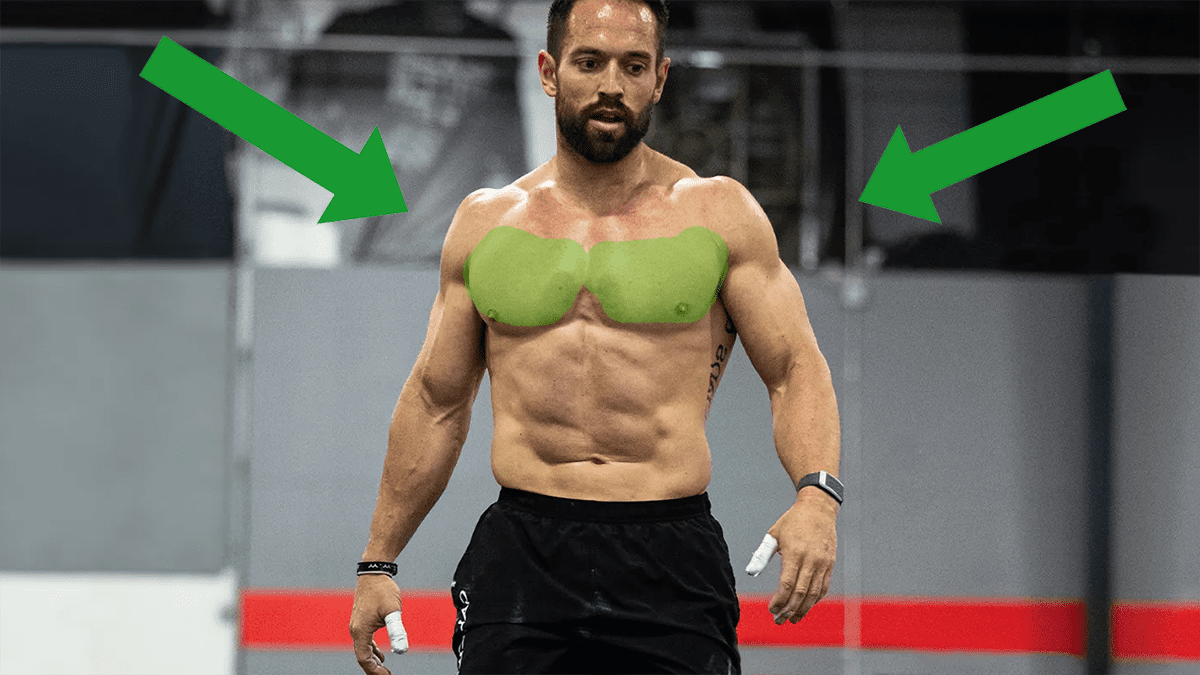
The chest is primarily made up of the pectoralis major, which has an upper portion attached near the clavicle and a larger middle and lower portion attached to the sternum. Beneath it sits the smaller pectoralis minor, which helps stabilize the shoulder blade.
Growing the chest requires challenging these muscles through a full range of motion while progressively increasing the demands placed on them.
Three factors consistently contribute to muscle growth.
- Mechanical tension is created when muscles contract against resistance.
- Training volume refers to the total amount of work completed across sets and repetitions.
- Progressive overload means gradually increasing the challenge over time by adding weight, repetitions, or improving technique.
Research consistently shows that combining these factors with sufficient recovery creates the ideal environment for muscle hypertrophy.
The Best Chest Exercises for Beginners
A beginner does not need dozens of exercises. A handful of proven movements performed well delivers excellent results.
Barbell Bench Press
The bench press remains one of the most effective exercises for developing overall chest strength. It allows heavy loading while also training the shoulders and triceps. Beginners should focus on learning consistent technique before chasing heavier weights. Lower the bar under control until it lightly touches the chest before pressing it back up without bouncing.
Incline Dumbbell Press
The incline press emphasizes the upper portion of the chest while allowing a greater range of motion than the barbell version. Using dumbbells also challenges stabilizing muscles and helps improve left to right balance.
Push Ups
Push ups are often underestimated. Studies have shown that when performed close to muscular failure, push ups can stimulate muscle growth similarly to traditional bench pressing in beginners.

If standard push ups become easy, elevate the feet or wear a weighted backpack.
Dumbbell Flyes
Flyes create large amounts of tension when the chest muscles are stretched. The movement should be slow and controlled with only a slight bend in the elbows. Avoid lowering the weights excessively because shoulder comfort should always come first.
Chest Supported Cable Flyes
Cables maintain tension throughout the movement, making them an excellent finishing exercise. Focus on squeezing the chest together rather than simply moving the hands.
How Often Should You Train Your Chest?
Research suggests that training each muscle group at least twice per week generally produces greater muscle growth than only training it once.
For beginners, two dedicated chest sessions each week provides enough stimulus while allowing adequate recovery. An example weekly schedule might look like this.
- Monday includes a chest focused workout.
- Thursday repeats the chest workout with slight progression.
- Other days can be dedicated to legs, back, shoulders, mobility, or complete rest.
Recovery between sessions is just as important as the workouts themselves because muscle tissue grows during recovery rather than during training.
Your 30 Day Chest Building Program
The following plan focuses on gradual progression while reinforcing proper technique.
Week One
- Spend the first week learning movement quality.
- Perform the bench press for three sets of ten repetitions.
- Complete incline dumbbell presses for three sets of ten repetitions.
- Finish with push ups for two sets close to failure and cable flyes for two sets of twelve repetitions.
- Choose weights that leave approximately two repetitions in reserve.
Week Two
- Increase either the weight or the number of repetitions on each exercise.
- Aim for four sets on the bench press while keeping technique consistent.
- Continue performing push ups until only one or two repetitions remain possible.
Week Three
- Increase intensity further.
- Add a fourth set to incline presses and attempt slightly heavier loads while maintaining full range of motion.
- Rest approximately two minutes between compound exercises and sixty to ninety seconds between isolation exercises.
Week Four
- Continue progressing if technique remains solid.
- Focus on quality repetitions instead of lifting with poor form.
- Many beginners notice improved muscle definition, increased strength, and fuller chest muscles by the end of this week.
How Hard Should You Train?
One of the biggest mistakes beginners make is stopping every set too early. Research shows that muscle growth is optimized when sets are performed close to muscular failure. This does not mean failing every set.
Instead, finish most working sets with one to three repetitions left before failure. This approach provides a strong stimulus while minimizing unnecessary fatigue.
Nutrition Makes the Difference
Training provides the stimulus for growth, but nutrition supplies the building materials.
Eat Enough Protein
Protein supports muscle repair and growth after resistance training. Current evidence suggests that consuming approximately 1.6 grams of protein per kilogram of body weight each day maximizes muscle growth for most people.
High quality protein sources include lean meat, fish, eggs, dairy products, soy foods, beans, and protein powders when needed. Distributing protein across three to five meals each day appears more effective than consuming most of it in one meal.
Maintain a Small Calorie Surplus
Building muscle becomes easier when energy intake slightly exceeds energy expenditure. A modest daily surplus of approximately 200 to 300 calories is usually sufficient for beginners who want to maximize muscle gain while limiting unnecessary fat gain. Those carrying higher levels of body fat can often build muscle while eating at maintenance calories if protein intake remains high.
Stay Hydrated
Even mild dehydration can reduce exercise performance. Drink water consistently throughout the day and consume additional fluids before, during, and after training sessions.
Sleep Is Your Secret Weapon
Many beginners underestimate the importance of sleep. During sleep, the body repairs damaged muscle tissue, regulates hormones involved in recovery, and restores the nervous system. Adults should aim for seven to nine hours of quality sleep each night.
Research has shown that sleep restriction reduces muscle protein synthesis, impairs recovery, and limits strength improvements over time. Improving sleep quality may produce greater results than adding extra exercises to a workout.
Common Mistakes That Slow Chest Growth
Many beginners work hard but fail to progress because they repeat avoidable mistakes. The first mistake is constantly changing workouts. Muscles respond best to consistent progressive overload rather than endless variety. The second mistake is using excessive weight with poor technique. Controlled repetitions performed through a full range of motion consistently produce better long term results.

Another common problem is neglecting recovery. Training the chest every day rarely leads to faster growth because muscles need time to repair and adapt. Finally, many people underestimate nutrition. No amount of training can compensate for consistently low protein intake or inadequate calories.
What Results Can You Expect After 30 Days?
Results vary depending on genetics, nutrition, training consistency, sleep quality, and previous experience. Most beginners who follow an effective program can reasonably expect measurable strength gains during the first month.
Many also notice improved chest firmness, slightly increased muscle size, better posture, and greater confidence when performing pressing movements. The mirror often reflects changes before dramatic increases in muscle mass occur because improved muscle tone and posture create a more athletic appearance. The biggest benefit is establishing habits that continue producing results long after the first month.
Final Thoughts
Growing a muscular and stronger chest in 30 days is not about finding a secret workout or miracle supplement. It comes from consistently applying proven principles of resistance training, progressive overload, proper nutrition, and quality recovery.
Focus on mastering the fundamental exercises, train your chest twice each week, consume enough protein, sleep well, and gradually challenge yourself every session. These evidence based habits will produce noticeable improvements during your first month and establish the foundation for years of continued muscle growth.
Key Takeaways
| Key Area | Main Takeaway |
|---|---|
| Training Frequency | Train the chest twice per week for optimal beginner progress. |
| Best Exercises | Bench press, incline dumbbell press, push ups, dumbbell flyes, and cable flyes provide excellent muscle stimulation. |
| Progressive Overload | Gradually increase weight, repetitions, or training volume each week. |
| Training Effort | Finish most sets with one to three repetitions remaining before failure. |
| Protein Intake | Aim for approximately 1.6 grams of protein per kilogram of body weight daily. |
| Calories | A small calorie surplus supports muscle growth for most beginners. |
| Sleep | Seven to nine hours of quality sleep each night improves recovery and muscle growth. |
| Expectations | Expect noticeable strength gains and modest muscle growth after 30 days with consistent training. |
References
- American College of Sports Medicine (2009) ‘Progression models in resistance training for healthy adults’, Medicine & Science in Sports & Exercise, 41(3), pp. 687 to 708.
- Grgic, J., Schoenfeld, B.J., Davies, T.B., Lazinica, B., Krieger, J.W. and Pedisic, Z. (2018) ‘Effect of resistance training frequency on gains in muscular strength’, Sports Medicine, 48(5), pp. 1207 to 1220.
- Morton, R.W., Murphy, K.T., McKellar, S.R., Schoenfeld, B.J., Henselmans, M., Helms, E., Aragon, A.A., Devries, M.C., Banfield, L., Krieger, J.W. and Phillips, S.M. (2018) ‘A systematic review, meta analysis and meta regression of protein supplementation on resistance training induced gains in muscle mass and strength in healthy adults’, British Journal of Sports Medicine, 52(6), pp. 376 to 384.
- Phillips, S.M. and Winett, R.A. (2010) ‘Uncomplicated resistance training and health related outcomes’, Current Sports Medicine Reports, 9(4), pp. 208 to 213.
- Schoenfeld, B.J. (2010) ‘The mechanisms of muscle hypertrophy and their application to resistance training’, Journal of Strength and Conditioning Research, 24(10), pp. 2857 to 2872.
- Schoenfeld, B.J., Ogborn, D. and Krieger, J.W. (2016) ‘Effects of resistance training frequency on measures of muscle hypertrophy’, Sports Medicine, 46(11), pp. 1689 to 1697.
- Schoenfeld, B.J., Grgic, J., Ogborn, D. and Krieger, J.W. (2017) ‘Strength and hypertrophy adaptations between low load and high load resistance training’, Journal of Strength and Conditioning Research, 31(12), pp. 3508 to 3523.