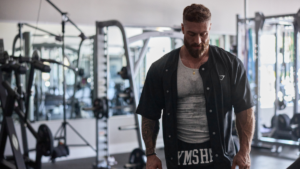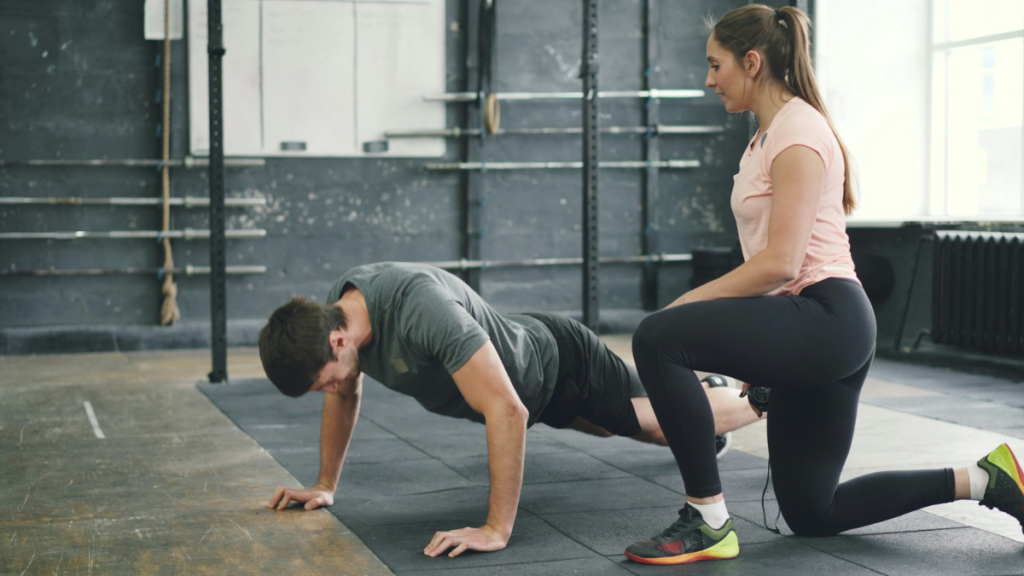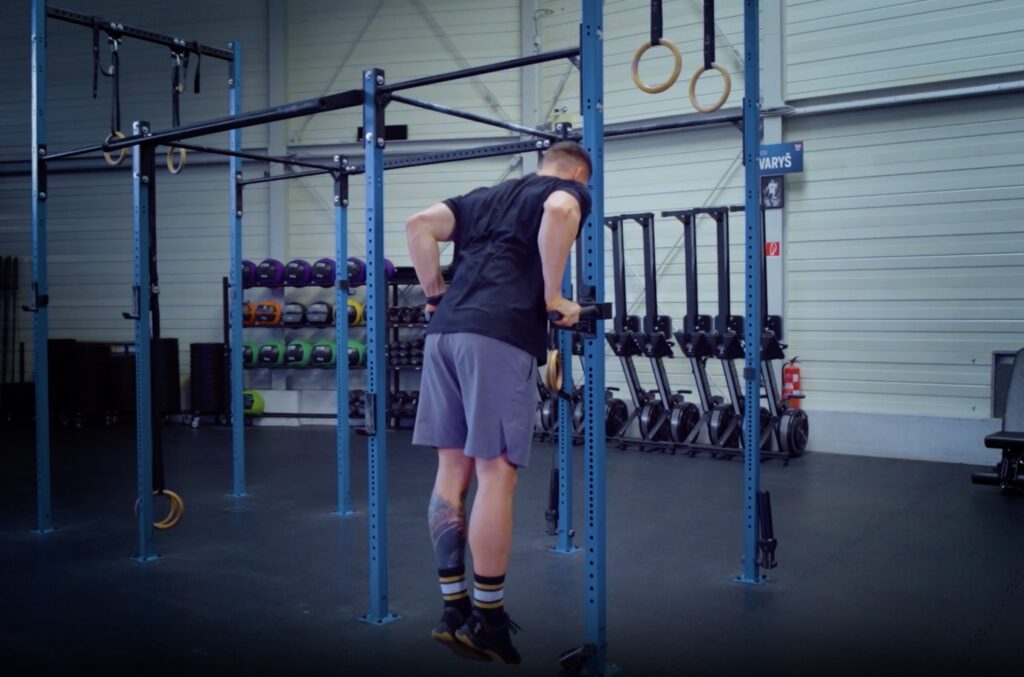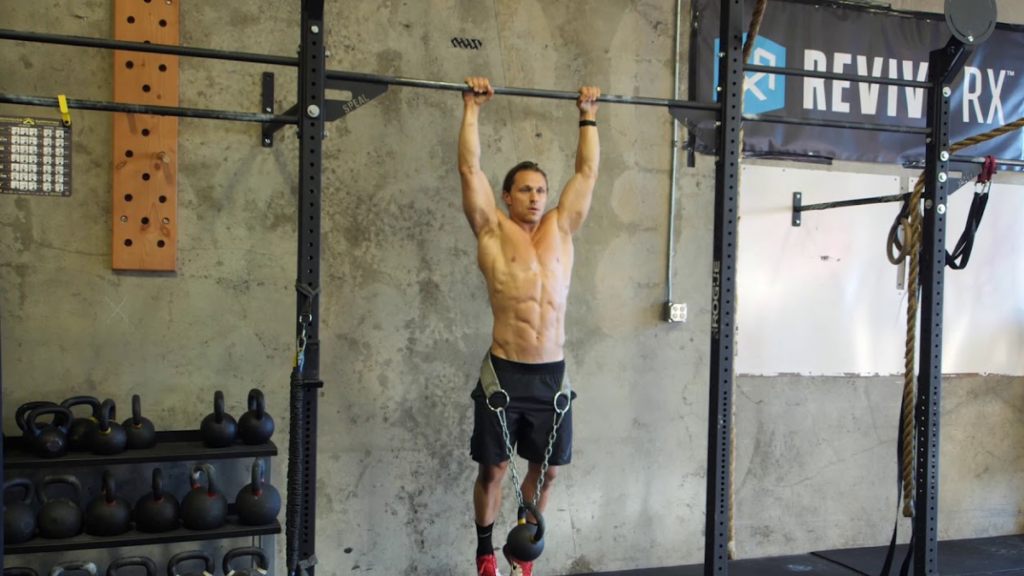


Chris Heria has compared three familiar bodyweight exercises with popular weighted alternatives, arguing that the calisthenics versions can offer more than muscle isolation. In his latest YouTube video, Heria looks at chin-ups, bodyweight skull crushers and squats, focusing on how each movement develops strength, coordination and stability alongside muscle.
His argument is not that calisthenics is universally better than weightlifting. Instead, he believes these movements have an advantage when the goal extends beyond simply building muscle.


Chin-Ups vs. Bicep Curls
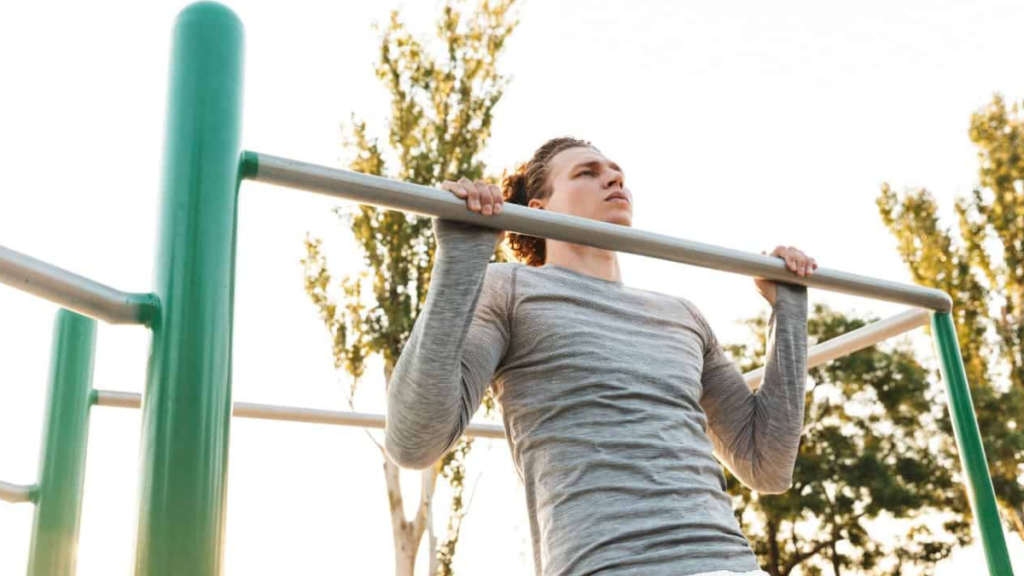
Heria starts with the chin-up, comparing it with the dumbbell curl. While curls are effective for isolating the biceps, chin-ups involve a much larger group of muscles.
Along with the biceps, chin-ups train the lats, forearms, grip, rear delts, rhomboids, traps and core as the body moves through space.
Heria also points out that chin-ups can be scaled for different ability levels. Beginners can use body curls, then progress through jumping and negative chin-ups before eventually performing full repetitions. More advanced athletes can increase reps, alter tempo or work toward variations such as the one-arm chin-up.
“The chin-up trains your back, shoulders, forearms, grip, core, and biceps all in one movement,” Heria explains.
Bodyweight Skull Crushers Build More Than Triceps
The second comparison is between the bodyweight skull crusher and its dumbbell counterpart. While the dumbbell version primarily isolates the triceps, the bodyweight variation requires the shoulders, core and stabilizing muscles to help maintain body position.
Heria says the exercise can be progressed by changing hand position, increasing repetitions, slowing the tempo or adding a weight vest. Eventually, athletes can work toward harder variations such as the one-arm skull crusher.
For Heria, the main benefit is carryover. The strength developed through the movement can transfer to exercises such as dips, handstand push-ups and planche push-ups.
Why Heria Favors Squats Over the Leg Press
Finally, Heria compares the squat with the leg press. While both can develop the lower body, he argues that the squat requires considerably more coordination and stabilization because there is no machine controlling the movement.
The core, upper back, hips, glutes and other stabilizers must work together throughout each repetition.
He also notes that squats can be progressed from basic bodyweight versions to explosive squats, weighted variations and pistol squats.
Where Calisthenics Fits
Heria makes it clear that his comparison isn’t meant to suggest that calisthenics is always superior to weightlifting.
“If your only goal is body composition and to build as much muscle as possible and you have access to a full gym, the answer may be different,” he says.
For him, the advantage of these bodyweight movements is that they combine strength with coordination, stability, balance and body control. Both training methods can build muscle and strength, but these three calisthenics exercises demand more from the body as a whole.
About the Author
Jeremiah Oliva

Jeremiah Oliva is a writer passionate about fitness, sports, and active living. He has experience in songwriting and managing content and social media for online radio and magazine platforms.
He covers HYROX, CrossFit®, and competitive fitness, with a focus on performance, mindset, and athlete development.
Outside of writing, Jeremiah trains in boxing, cycles, explores the outdoors with his kids, and plays the guitar.