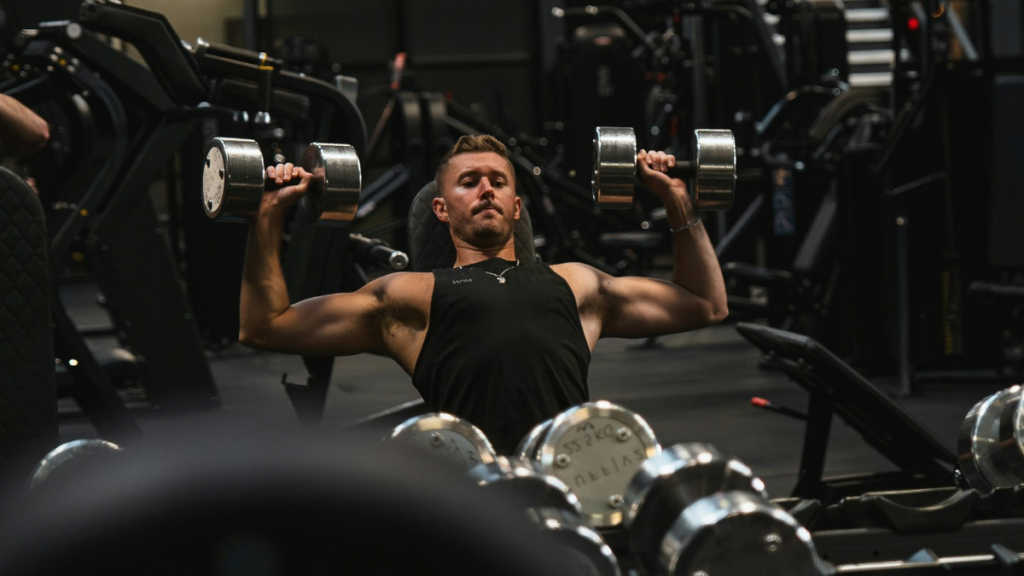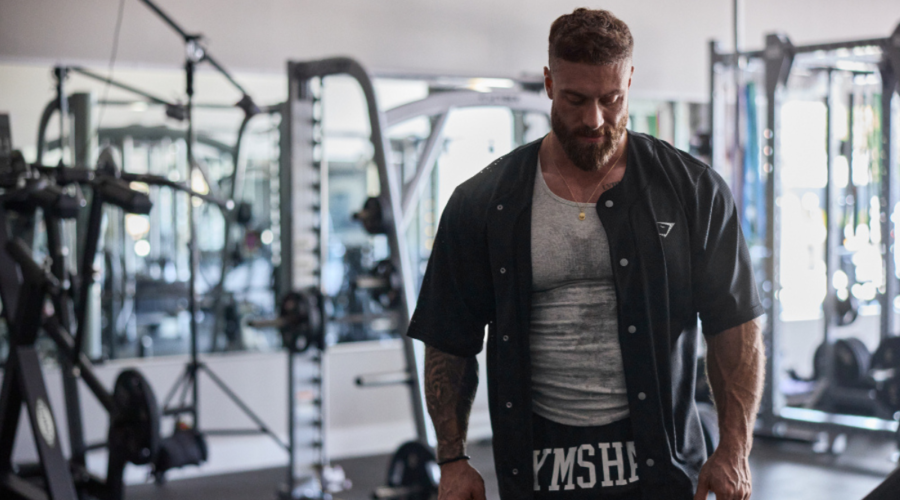


Chris Bumstead closed out his latest strength-focused training phase with a heavy upper-body session, pushing his incline dumbbell press while balancing intensity with smart programming.
In his YouTube vlog, Bumstead explained that the final workout of the phase was designed around lower volume and heavier loads, with the goal of hitting a new personal record. After a period of reduced strength and difficult recovery, he was excited to feel powerful in the gym again.


Chasing Heavy Incline Dumbbell Presses
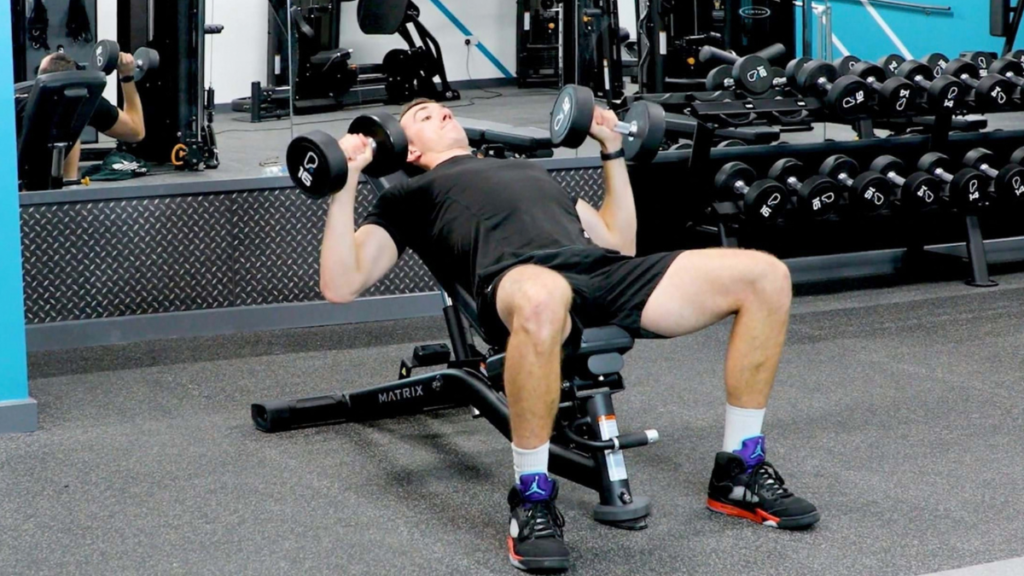
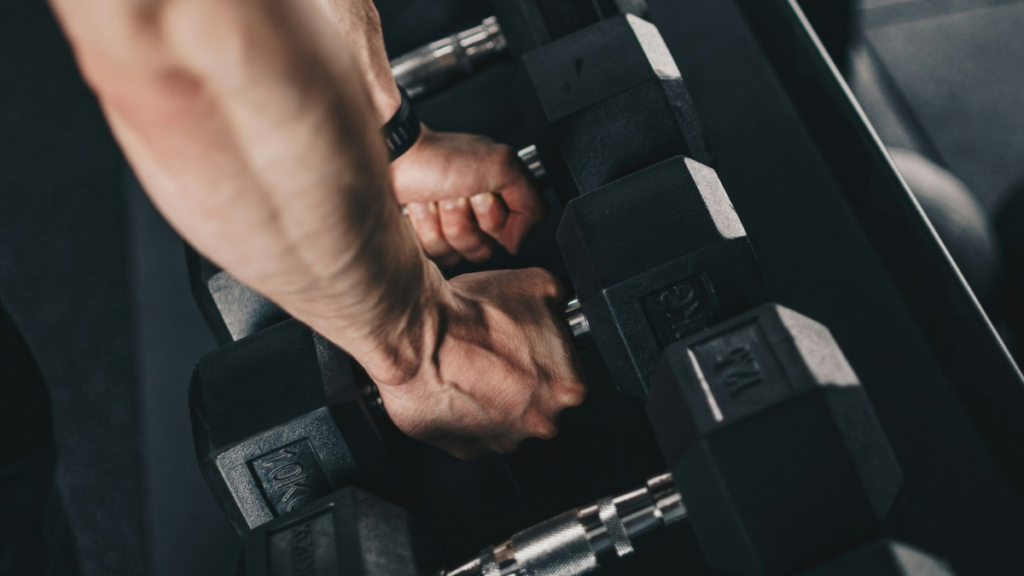
Bumstead opened his main work with incline dumbbell presses, paired with pull-ups. The target was ambitious: move the 140-pound dumbbells.
The session also highlighted how he has approached rebuilding strength. His first workout of the phase included higher-rep work to regain coordination, while the final week called for three sets of six.
His first attempt with the 140s produced five reps, but he wasn’t disappointed. He followed it with 130s for seven reps, giving him what he described as a “double PR” with 130s for seven and 140s for five.
“That’s pretty much a 30% progression in the last four weeks in my incline dumbbell press,” Bumstead said.
He also pointed out that rebuilding previously held strength can happen faster than developing it from scratch, adding that the progress was especially meaningful after struggling with injuries and reduced performance.
Building Strength Without Ignoring Weak Points
Bumstead then moved into decline dumbbell presses, using lighter loads and one-and-a-quarter reps to work through a range of motion that has historically been difficult for his shoulders.
The exercise was paired with neutral-grip cable rows before he moved into more structural-balance work. A Bosu ball power raise with a hold focused on teaching his shoulder blades to remain properly retracted and depressed.
He also added some biceps work, joking, “you can never train too much biceps.”
Why Bumstead Is Pulling Back the Intensity
Despite the successful strength phase, Bumstead isn’t planning to keep pushing maximum intensity indefinitely. His next phase will involve more volume and more traditional bodybuilding work, including chest and triceps and back and biceps sessions.
He explained that constantly pushing the same movements can gradually build toward an injury, especially when recovery and sleep are compromised.
“Being able to do phases where you push up to a certain point… pull back for a little bit, and then go back into another phase” allows him to continue progressing while reducing injury risk, Bumstead explained.
A Strong Finish, Followed by Smarter Progression
Bumstead’s final strength session delivered the PR he wanted, but the bigger takeaway was his approach to long-term progression. Heavy training can drive strength gains, but strategically changing volume, movements, ranges of motion and intensity can help athletes continue improving without constantly pushing themselves into the ground.
About the Author
Jeremiah Oliva

Jeremiah Oliva is a writer passionate about fitness, sports, and active living. He has experience in songwriting and managing content and social media for online radio and magazine platforms.
He covers HYROX, CrossFit®, and competitive fitness, with a focus on performance, mindset, and athlete development.
Outside of writing, Jeremiah trains in boxing, cycles, explores the outdoors with his kids, and plays the guitar.