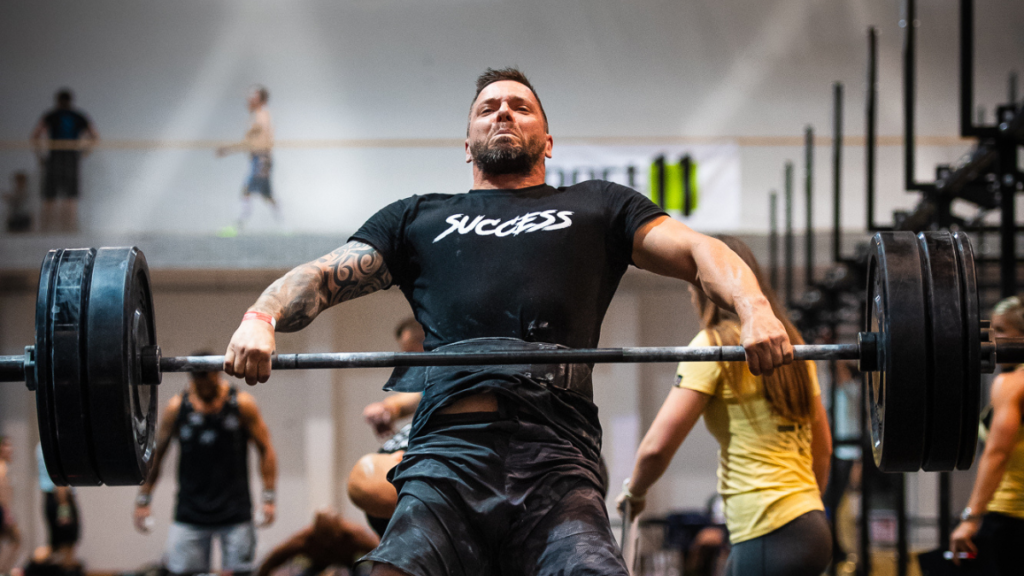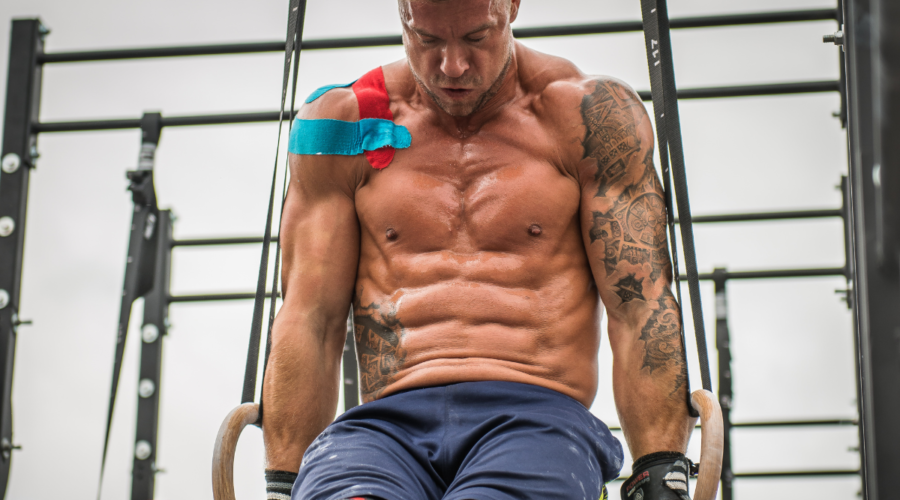


A wider upper body is not built by chest training alone. Your visual width comes mostly from two areas: the muscles around the shoulders, especially the side delts, and the muscles that spread across your upper back, particularly the lats. Build those areas well and your torso will look broader from the front, back, and side, even if you never bench press.
The bench press is a useful strength exercise, but it is not essential for this goal. It primarily challenges the chest, triceps, and front delts. Those muscles can add size to your upper body, but they do not create the same shoulder to waist contrast as larger side delts and lats.


The three exercises below cover the biggest priorities. Lateral raises directly target the side delts. Pull ups develop the lats and upper back. Overhead presses add shoulder mass and strength while training your upper body to work as a connected unit. Together, they give you a simple and effective route to a visibly wider frame.
What Creates a Wider Looking Upper Body?
Your skeletal structure matters, but muscle development can significantly change your silhouette. The side delts sit on the outside of the shoulders. As they grow, they make your shoulders look broader from the front and create a stronger upper body outline.
The latissimus dorsi, usually called the lats, are large muscles that run from the upper arm toward the lower back and pelvis. Well developed lats can make the upper torso look wider, particularly when viewed from the back. They also contribute to the familiar V shape, where the upper body looks broad relative to the waist.
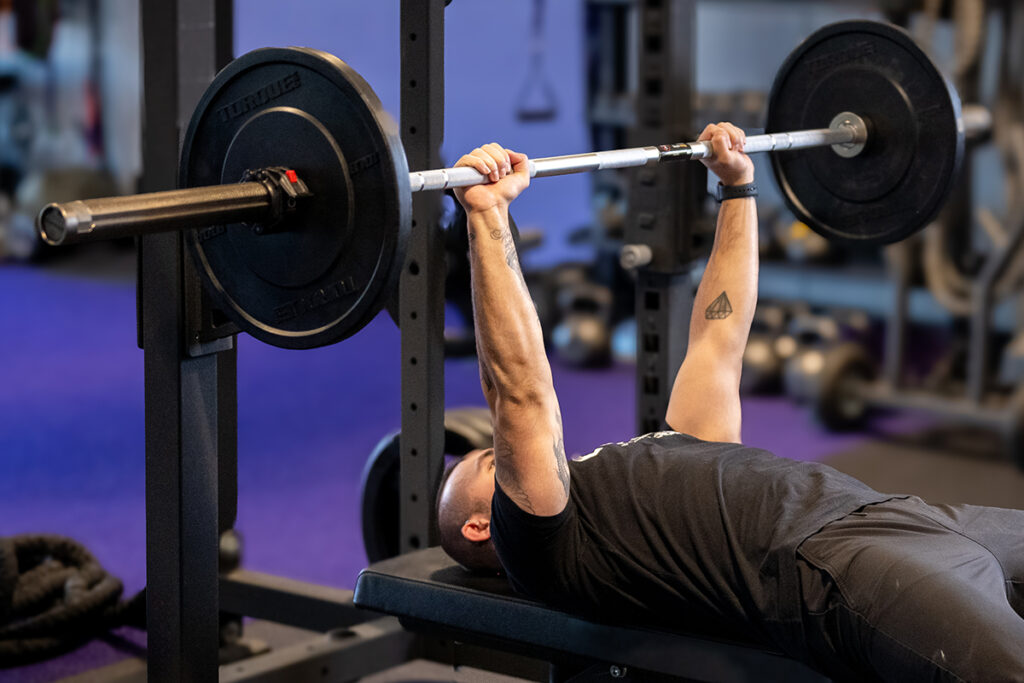
This means a good plan should include both shoulder abduction work, such as lateral raises, and vertical pulling work, such as pull ups. Adding a vertical press then gives you a reliable compound movement for building overall shoulder strength and muscle.
You do not need to make every exercise complicated. You need to perform a few productive movements consistently, use controlled technique, and gradually give your muscles a reason to adapt.
1. Dumbbell Lateral Raise
The dumbbell lateral raise is one of the most direct exercises available for building wider shoulders. It trains the middle portion of the deltoid, often called the side delt. This muscle is the main contributor to the rounded width seen at the outside of the shoulder.
Why Lateral Raises Work
The side delt’s main job is to lift the upper arm away from the body. The lateral raise closely matches that action. Research using muscle activity measurements has found that lateral raise variations can strongly activate the middle deltoid, which supports their use in shoulder focused training.
Compound pressing exercises train the front delts effectively, but they do not always provide the same focused challenge for the side delts. That is why lateral raises are so valuable. They give a muscle that can easily be undertrained a direct growth stimulus.
The exercise also requires relatively light loads. This makes it useful for people who want to build their shoulders without putting the same overall stress on the joints and nervous system that comes with heavy pressing.
How to Do It Well
Stand tall with a dumbbell in each hand and your arms by your sides. Keep a soft bend in your elbows. Raise your arms out to the sides until your upper arms are roughly level with your shoulders, then lower the weights under control.
Do not turn the movement into a swing. If your torso leans backward and the dumbbells fly upward, the load is probably too heavy. Use a weight you can control through the full range of motion.
Think about moving your elbows outward rather than lifting the dumbbells with your hands. This simple cue can help you keep the focus on the shoulders. Keep your shoulders down away from your ears instead of shrugging them toward your neck.
A useful starting point is two to four sets of eight to twenty repetitions. Lateral raises often work well with moderate to higher repetitions because the side delts can be trained hard without needing very heavy dumbbells.
Common Mistakes to Avoid
The most common mistake is choosing a weight that is too heavy. Heavy dumbbells encourage momentum, shorten the effective range of motion, and shift more work toward the upper traps. The goal is not to move the biggest dumbbells in the gym. The goal is to challenge the side delts.
Another mistake is stopping each rep well below shoulder height. You do not need to force your arms excessively high, but a controlled raise to around shoulder height gives the side delts useful work. Lower the dumbbells slowly instead of letting gravity take over.
2. Pull Up
The pull up is one of the best bodyweight exercises for building a wider upper body. It trains the lats, upper back, biceps, forearms, and muscles that help control the shoulder blades. It also gives you a clear performance goal, because getting stronger at pull ups usually means you are capable of moving more of your bodyweight.
Why Pull Ups Work
The lats are major shoulder muscles. They help pull the upper arm down toward the body and contribute to shoulder extension. During a pull up, they work alongside the biceps and upper back to bring your body upward toward the bar.
Research examining pull up variations shows substantial activation across the lats and several muscles of the upper back and arms. That makes the pull up an efficient choice when you want to build your back without relying on a large number of separate exercises.
Unlike a row, which often emphasizes pulling the upper arm backward, a pull up trains a vertical pulling pattern. Both patterns matter for complete back development, but vertical pulling is especially useful when your goal is to develop the lats and create more visual width.
You do not need to use a very wide grip to build wide lats. An excessively wide grip can make the exercise less comfortable and reduce your available range of motion. A grip around shoulder width or slightly wider is usually a practical choice for most lifters.
How to Do It Well
Start from a secure bar with your hands slightly wider than shoulder width. Use an overhand grip. Begin each repetition from a controlled hang, with your body still rather than swinging.
Before pulling, allow your shoulder blades to move naturally, then pull your elbows down toward your ribs. Think about bringing your chest toward the bar rather than simply trying to get your chin over it. This can encourage a stronger and more controlled pulling pattern.
Is your 1km Row Time Good for Your Age?
Lower yourself until your elbows are straight again, provided that position is comfortable for your shoulders. The lowering phase matters because it adds useful muscular tension and helps you maintain good control.
If you cannot yet do a full pull up, use an assisted pull up machine, a resistance band, or controlled lowering repetitions. These options let you train the same pattern while building the strength needed for unassisted reps.
How to Progress
Begin by accumulating quality repetitions. For example, you might perform three sets close to technical failure while leaving one or two good repetitions in reserve. As you improve, add repetitions until you can complete several strong sets.
Once bodyweight pull ups become manageable, add load gradually with a dip belt or weighted vest. Small increases are enough. Your technique should remain strict, with no violent kicking or swinging.
Pull ups can be demanding, so they do not need to be performed every day. Two sessions each week gives most people enough practice and stimulus while leaving room to recover.
3. Dumbbell Overhead Press
The dumbbell overhead press is a strong choice for adding overall shoulder size without bench pressing. It develops the front delts, contributes to the side delts, challenges the triceps, and demands control from the muscles around the shoulder blades and trunk.
It will not replace lateral raises for direct side delt work, but it provides a valuable compound movement that helps build stronger, more muscular shoulders.
Why the Overhead Press Belongs in Your Program
Shoulder pressing is a multi joint exercise, which means several muscles contribute to each repetition. This allows you to use more load than you could with a lateral raise and gives you a straightforward way to apply progressive overload over time.
Research on common shoulder strengthening exercises shows that pressing movements activate the deltoid muscles, although the emphasis differs between the front, side, and rear portions. The overhead press is especially useful because it trains the shoulders through a large range of motion while requiring the body to stabilize the weight overhead.
Dumbbells have a practical advantage for many lifters. Each arm works independently, and the hands can follow a natural path rather than being fixed to a bar. This may make the movement more comfortable for people who find straight bar pressing awkward.
How to Do It Well
Sit or stand with a dumbbell in each hand at shoulder height. Keep your wrists stacked over your elbows and your feet firmly planted. Brace your trunk before you press.
Press the dumbbells overhead until your elbows are straight and the weights are controlled above your shoulders. Lower them back to the starting position without dropping them quickly.
Avoid leaning far backward as you press. A small natural movement is normal, but excessive arching usually means that the weight is too heavy or your trunk is losing position. Lower the load and keep your ribs controlled.
A good starting range is three to four sets of six to twelve repetitions. Use a load that makes the final few repetitions challenging while still allowing you to control the dumbbells throughout each set.
When to Choose a Seated or Standing Version
The seated version reduces the demand on your legs and may help you focus on the shoulders. The standing version requires more total body control and lets you train balance and trunk stability at the same time.
Neither option is automatically superior for every person. Choose the version that allows you to press comfortably, progressively, and with consistent form. If shoulder pain occurs, stop forcing the movement and consider getting advice from a qualified health professional.
How to Combine the Three Exercises
The best program is the one you can repeat consistently. Research consistently shows that resistance training builds muscle, with multiple sets generally producing strong hypertrophy results. Your effort, total training volume, recovery, and long term progression all matter more than finding a supposedly perfect rep range.
You can use these movements twice per week. Start each session with pull ups or overhead presses, since they require more coordination and strength. Finish with lateral raises, which are easier to perform safely when you are somewhat fatigued.
For example, you could do pull ups first, dumbbell overhead presses second, and lateral raises last. Use controlled repetitions and aim to improve gradually. That might mean doing one more repetition with the same weight, using a slightly heavier dumbbell, or improving the quality of your range of motion.
Do not chase soreness as proof that a workout worked. Focus on performance over several weeks. If you are doing more controlled pull ups, pressing more weight with good form, or using better technique on lateral raises, you are moving in the right direction.
Nutrition also matters. Muscle growth requires enough total energy, adequate protein, and recovery from training. Resistance exercise is the stimulus, but adaptation happens between sessions.
The Bottom Line
You do not need to bench press to build a wider upper body. The most important areas for this goal are your side delts and lats, with strong overall shoulder development adding even more shape.
Dumbbell lateral raises directly build the side delts. Pull ups develop the lats and upper back. Dumbbell overhead presses add size and strength to the shoulders while supporting balanced upper body training.
Train each exercise with patience, use a range of motion you can control, and progress gradually. A wider upper body is built through repeated high quality training, not through one dramatic workout.
References
- Botton, C.E., de Oliveira, A.S., de Souza, R.M., Gonçalves, M. and Brown, L.E. (2020) ‘An electromyographic analysis of lateral raise variations and frontal raise in competitive bodybuilders’, Journal of Strength and Conditioning Research, 34(10), pp. 2802–2808.
- Calatayud, J., Borreani, S., Colado, J.C., Flandez, J., Page, P. and Andersen, L.L. (2015) ‘Bench press and push up at comparable levels of muscle activity results in similar strength gains’, Journal of Strength and Conditioning Research, 29(1), pp. 246–253.
- Currier, B.S., McLeod, J.C., Banfield, L., Beyene, J., Welton, N.J., D’Souza, A.C., Keogh, J.A.J., Lin, L., Coletta, G., Colenso Semple, L., Lau, K.J., Verboom, A. and Phillips, S.M. (2023) ‘Resistance training prescription for muscle strength and hypertrophy in healthy adults: A systematic review and Bayesian network meta analysis’, British Journal of Sports Medicine, 57(18), pp. 1211–1220.
- Dickie, J.A., Faulkner, J.A., Wakeling, J.M. and Brown, J.M.M. (2017) ‘The effect of shoulder muscle activity on the kinematics of the shoulder joint during overhead pressing’, Journal of Electromyography and Kinesiology, 33, pp. 19–26.
- Lasevicius, T., Schoenfeld, B.J., Silva Batista, C., Barros, T.S., Brendon, H., Aihara, A.Y., Cardoso, F.N., Tricoli, V. and Teixeira, E.L. (2018) ‘Muscle failure promotes greater muscle hypertrophy in low load but not in high load resistance training’, Journal of Strength and Conditioning Research, 36(2), pp. 346–351.
- Schoenfeld, B.J., Ogborn, D. and Krieger, J.W. (2017) ‘Dose response relationship between weekly resistance training volume and increases in muscle mass: A systematic review and meta analysis’, Journal of Sports Sciences, 35(11), pp. 1073–1082.
- Youdas, J.W., Amundson, C.L., Helmus, T.J., Stevans, C.D., Cochrane, K.C. and Hollman, J.H. (2010) ‘Surface electromyographic activation patterns and elbow joint motion during a pull up, chin up, or perfect pull up rotational exercise’, Journal of Strength and Conditioning Research, 24(12), pp. 3404–3414.
Key Takeaways
| Exercise | Main muscles emphasized | Why it helps create width | Practical starting point |
|---|---|---|---|
| Dumbbell lateral raise | Side delts | Adds visible width to the outside of the shoulders | Two to four sets of eight to twenty controlled repetitions |
| Pull up | Lats, upper back, biceps | Builds the back width that supports a stronger V shape | Three quality sets, using assistance if needed |
| Dumbbell overhead press | Front delts, side delts, triceps | Adds overall shoulder size and pressing strength | Three to four sets of six to twelve repetitions |