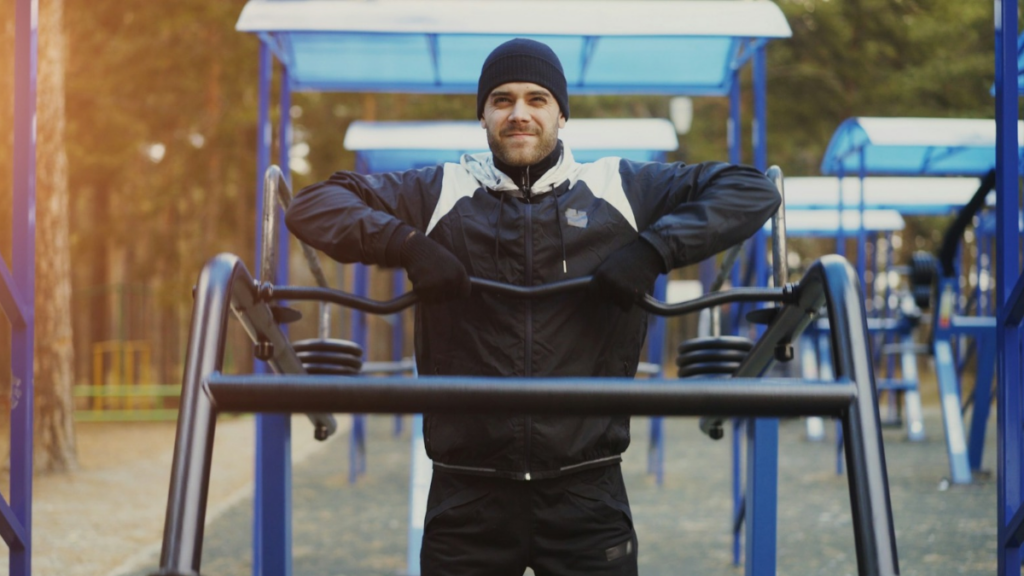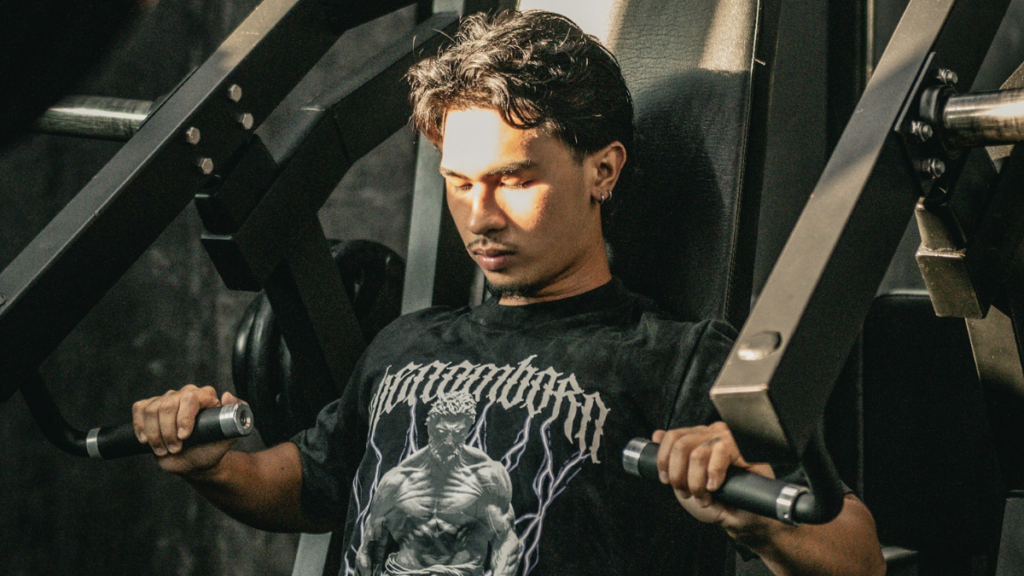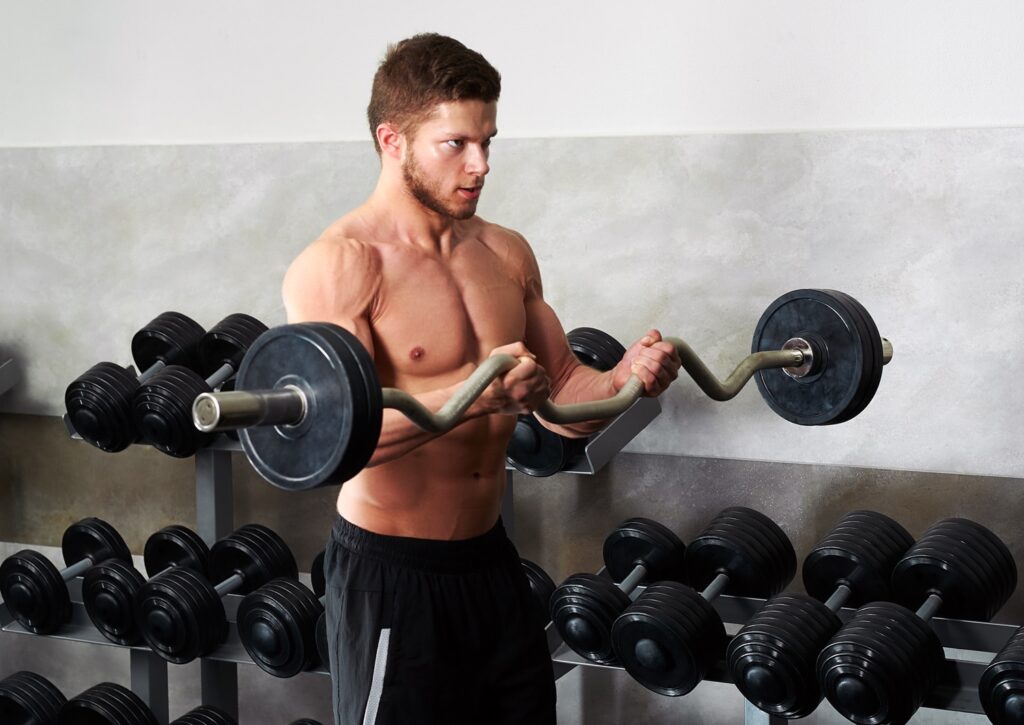


Building an impressive upper body is not about chasing random workouts or copying what someone on social media is doing. It is about understanding how muscles grow, applying proven training principles, and choosing exercises that deliver the highest return for your effort.
If your goal is to look bigger, stronger, and more defined for summer, you need movements that maximize muscle activation, allow progressive overload, and cover all major upper body muscle groups.


This article breaks down five of the most effective upper body exercises supported by science. You will learn why they work, how to perform them correctly, and how to integrate them into your training for maximum muscle growth. No fluff, just actionable information grounded in research.
How Muscle Growth Actually Works
Before diving into the exercises, it is important to understand what drives muscle growth. Hypertrophy occurs when muscle fibers experience enough mechanical tension, metabolic stress, and muscle damage to stimulate adaptation.
Research consistently shows that the most important factors for hypertrophy include:
- Mechanical tension created by lifting moderate to heavy loads
- Training close to muscular failure
- Sufficient training volume over time
- Progressive overload by increasing weight, reps, or sets
Muscle protein synthesis increases after resistance training, especially when combined with adequate protein intake. Over time, consistent training and recovery lead to visible increases in muscle size and strength.
Compound movements that recruit multiple muscle groups tend to produce greater hormonal and neuromuscular responses compared to isolation exercises. That is why the five exercises in this list form the backbone of an effective upper body program.
1. Barbell Bench Press
Why It Works
The barbell bench press is one of the most studied exercises in resistance training. It primarily targets the pectoralis major, anterior deltoids, and triceps, making it a cornerstone for building chest size and upper body pushing strength.

Electromyography studies show that the bench press produces high activation of the chest muscles, particularly when performed with proper technique and a full range of motion. It also allows for heavy loading, which is essential for mechanical tension and hypertrophy.
How to Perform It
- Lie flat on a bench with your feet planted firmly on the ground
- Grip the bar slightly wider than shoulder width
- Lower the bar to your mid chest in a controlled manner
- Press the bar upward until your arms are fully extended
- Keep your shoulder blades retracted throughout the movement
Avoid bouncing the bar off your chest or flaring your elbows excessively, as this reduces efficiency and increases injury risk.
Training Tips
- Use a moderate to heavy load for 6 to 10 repetitions
- Train within 1 to 3 reps of failure for optimal hypertrophy
- Include 3 to 5 sets per session
The bench press is highly effective for building a thick and powerful chest when performed consistently with progressive overload.
2. Pull Ups
Why It Works
Pull ups are one of the best exercises for developing a wide and defined back. They target the latissimus dorsi, biceps, and upper back muscles.
Studies show that vertical pulling movements like pull ups produce high activation in the lats, which are crucial for creating the V shaped physique associated with an aesthetic upper body.
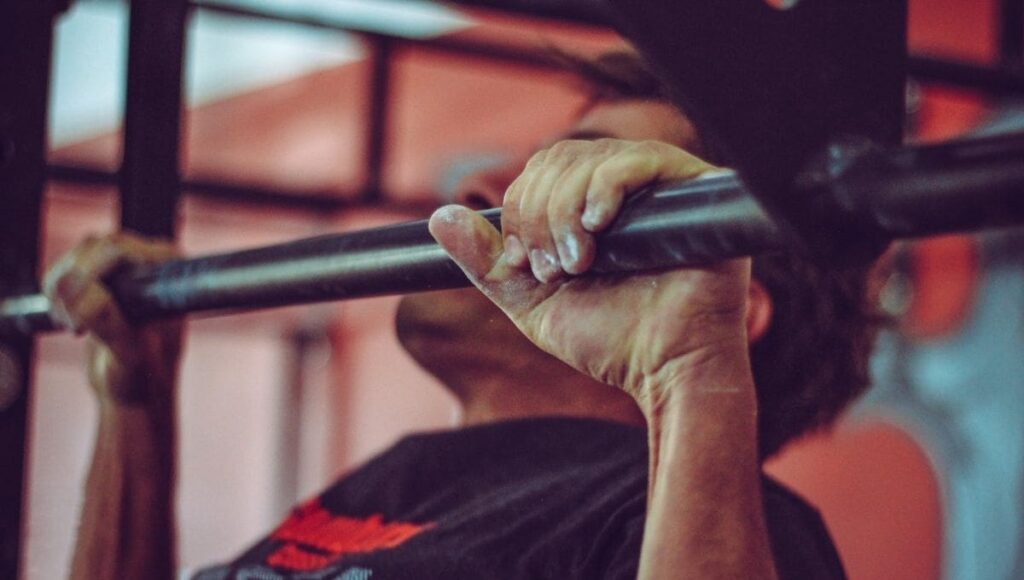
Because pull ups use your bodyweight, they also improve relative strength and coordination. As you get stronger, you can add external weight to continue progressing.
How to Perform It
- Grab a pull up bar with a shoulder width grip
- Hang with arms fully extended
- Pull your body upward until your chin clears the bar
- Lower yourself in a controlled manner
Avoid swinging or using momentum. Focus on pulling with your back rather than your arms.
Training Tips
- Perform 6 to 12 repetitions depending on your strength level
- Use assistance bands if needed
- Add weight once you can perform more than 12 clean reps
- Aim for 3 to 4 sets
Pull ups are unmatched for building back width and improving upper body strength.
3. Overhead Press
Why It Works
The overhead press targets the deltoid muscles, particularly the anterior and medial heads, while also engaging the triceps and upper chest.
Research indicates that overhead pressing movements are highly effective for shoulder hypertrophy and strength development. Unlike isolation exercises, the overhead press trains the shoulders in a functional, compound pattern.

It also requires core stability, making it a full body movement that enhances overall strength.
How to Perform It
- Stand with your feet shoulder width apart
- Hold a barbell or dumbbells at shoulder height
- Press the weight overhead until your arms are fully extended
- Lower it back down under control
Keep your core tight and avoid excessive lower back arching.
Training Tips
- Use 6 to 10 repetitions for hypertrophy
- Focus on controlled movement rather than speed
- Perform 3 to 4 sets
A strong overhead press builds broad shoulders, which are essential for an aesthetic upper body.
4. Barbell Rows
Why It Works
Barbell rows are one of the best exercises for building thickness in the upper and middle back. They target the rhomboids, trapezius, latissimus dorsi, and posterior deltoids.
Studies show that horizontal pulling movements are critical for balanced upper body development. They complement vertical pulls like pull ups by emphasizing different muscle fibers and movement patterns.
Barbell rows also allow for heavy loading, which contributes to muscle growth through increased mechanical tension.
How to Perform It
- Bend at the hips with a slight knee bend
- Keep your back flat and torso at about a 45 degree angle
- Pull the bar toward your lower chest or upper abdomen
- Lower it back down under control
Avoid rounding your back or jerking the weight.
Training Tips
- Perform 8 to 12 repetitions
- Focus on squeezing your shoulder blades together
- Use 3 to 5 sets
Barbell rows are essential for building a dense and powerful back.
5. Dips
Why It Works
Dips are a powerful bodyweight exercise that targets the chest, triceps, and shoulders. They are especially effective for developing the lower chest and triceps.
Research shows that dips produce high muscle activation in both the chest and triceps, making them an efficient compound movement.

Because dips can be easily loaded with additional weight, they offer long term progression potential.
How to Perform It
- Grip parallel bars and lift your body off the ground
- Lower yourself until your elbows reach about 90 degrees
- Push back up to the starting position
Leaning slightly forward emphasizes the chest, while staying upright targets the triceps more.
Training Tips
- Perform 8 to 15 repetitions
- Add weight once bodyweight becomes easy
- Use 3 to 4 sets
Dips are a highly effective finisher for building upper body mass.
How to Structure Your Training
To get the most out of these exercises, you need to structure your workouts intelligently. A simple upper body routine could look like this:
Sample Workout
- Barbell Bench Press: 4 sets of 6 to 10 reps
- Pull Ups: 4 sets of 6 to 12 reps
- Overhead Press: 3 sets of 6 to 10 reps
- Barbell Rows: 4 sets of 8 to 12 reps
- Dips: 3 sets of 8 to 15 reps
Train this routine 2 to 3 times per week, allowing at least 48 hours of recovery between sessions.
Volume, Intensity, and Frequency
Research suggests that training each muscle group at least twice per week leads to greater hypertrophy compared to once weekly training.
Aim for:
- 10 to 20 total sets per muscle group per week
- Moderate to high intensity loads
- Training close to failure but not to complete exhaustion every set
Balancing these variables is key to consistent progress.
Nutrition for Getting Jacked
Training alone is not enough. Nutrition plays a critical role in muscle growth.
Protein Intake
Studies recommend consuming around 1.6 to 2.2 grams of protein per kilogram of bodyweight per day to maximize muscle protein synthesis.

Caloric Intake
To gain muscle, you need a slight caloric surplus. Aim for:
- 250 to 500 extra calories per day
- Balanced intake of carbohydrates and fats
Recovery
Sleep and recovery are often overlooked but essential. Aim for 7 to 9 hours of sleep per night to support muscle repair and hormonal balance.
Common Mistakes to Avoid
Even with the best exercises, mistakes can limit your progress.
- Using poor technique
- Not training close enough to failure
- Skipping progressive overload
- Neglecting recovery
- Inconsistent training
Avoiding these pitfalls will significantly improve your results.
Final Thoughts
Getting jacked for summer does not require complicated routines or fancy equipment. It requires consistency, effort, and smart exercise selection.
The five exercises in this article are proven to build muscle effectively when performed correctly and consistently. Focus on mastering these movements, progressively increasing your workload, and supporting your training with proper nutrition and recovery.
If you commit to the process, visible changes will follow.
References
- Schoenfeld, B.J. (2010). The mechanisms of muscle hypertrophy and their application to resistance training. Journal of Strength and Conditioning Research.
- Schoenfeld, B.J. (2016). Science and Development of Muscle Hypertrophy. Human Kinetics.
- Morton, R.W. et al. (2018). A systematic review of protein intake and muscle mass. British Journal of Sports Medicine.
- Wernbom, M., Augustsson, J. and Thomee, R. (2007). The influence of frequency, intensity, volume and mode of strength training on muscle cross sectional area. Sports Medicine.
- Gentil, P. et al. (2017). Effects of adding single joint exercises to a multi joint exercise resistance training program. Journal of Strength and Conditioning Research.
- Krieger, J.W. (2010). Single versus multiple sets of resistance exercise. Journal of Strength and Conditioning Research.
- Dankel, S.J. et al. (2017). Muscle activation and strength relationships. European Journal of Applied Physiology.
- Boeckh-Behrens, W. and Buskies, W. (2000). EMG activation in strength training. Sportwissenschaft.