

Visible abs are about much more than doing endless crunches. For men over 30, building a strong and defined midsection requires a combination of smart training, muscle development, and maintaining a low enough body fat percentage for those muscles to become visible. The good news is that you do not need expensive equipment or a gym membership to train your core effectively.
Research consistently shows that bodyweight exercises can produce high levels of abdominal muscle activation while also improving spinal stability, athletic performance, and functional strength. They also place less unnecessary stress on the joints than many loaded abdominal movements, making them an excellent option for adults who want to stay healthy while building an impressive physique.


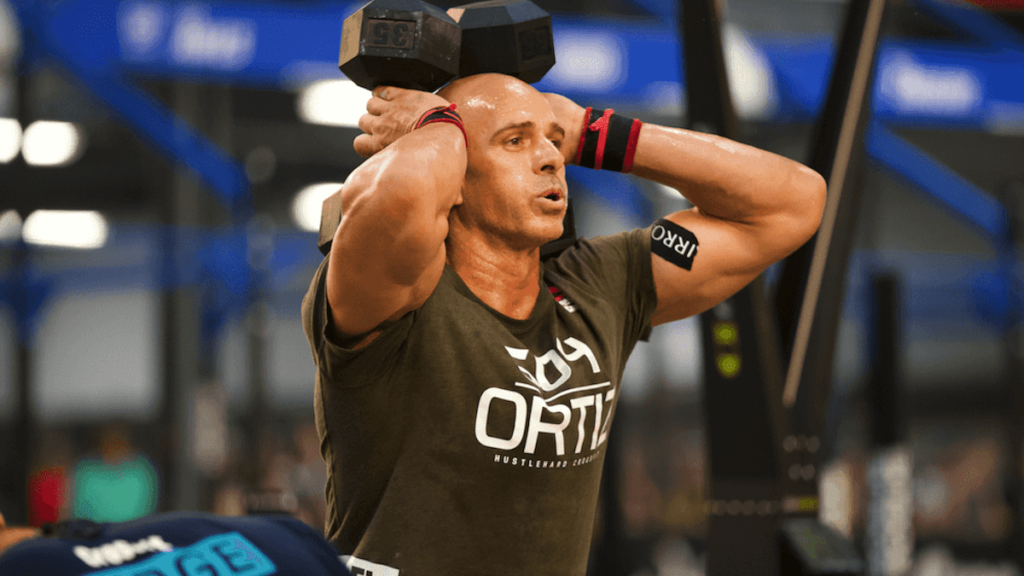
In this article, you will learn the three best bodyweight exercises for developing six pack muscles after the age of 30, why they work, how to perform them correctly, and how to get the most from your training.
Why Building Abs Changes After 30
Many men notice that staying lean becomes more difficult after turning 30. This is not simply a matter of getting older. Lifestyle changes often play a much larger role than age itself.
Muscle mass gradually declines without resistance training, daily activity often decreases because of work and family responsibilities, and calorie intake frequently stays the same or even increases. Hormonal changes may contribute slightly, but they are not the primary reason most men lose abdominal definition.
Fortunately, resistance training remains highly effective throughout adulthood. Research demonstrates that adults in their thirties, forties, and beyond continue to build muscle, improve strength, and increase functional capacity when they follow a well designed exercise program.
The abdominal muscles respond to progressive overload just like any other muscle group. Challenging them with effective bodyweight movements while maintaining a nutritious diet and regular cardiovascular activity creates the conditions necessary for visible abs.
Understanding the Six Pack
The visible six pack comes from the rectus abdominis, a long muscle that runs vertically along the front of the torso. Tendinous intersections divide the muscle into individual sections, creating the familiar appearance when body fat levels are sufficiently low.
Strong abs involve much more than the rectus abdominis alone. The external obliques, internal obliques, transverse abdominis, diaphragm, pelvic floor, and lower back muscles all work together to stabilize the spine and transfer force throughout the body.

Electromyography studies have shown that exercises challenging stability often recruit multiple core muscles simultaneously. This means the most effective abdominal exercises do not simply involve bending the spine repeatedly. They require the core to resist movement while maintaining proper posture and control.
What Makes a Great Bodyweight Ab Exercise?
Not all abdominal exercises produce the same results. The best movements share several important characteristics. They generate high activation of the rectus abdominis, require significant core stability, encourage proper movement patterns, and can be progressed as strength improves.
Another important factor is safety. The spine experiences considerable loading during repetitive flexion exercises. While spinal flexion itself is not inherently dangerous, relying exclusively on thousands of crunches may not be the most efficient approach for long term core development.
Exercises that combine controlled movement with anti extension or anti rotation demands often provide a more complete training stimulus. The following three exercises consistently rank among the best choices based on biomechanical research and practical application.
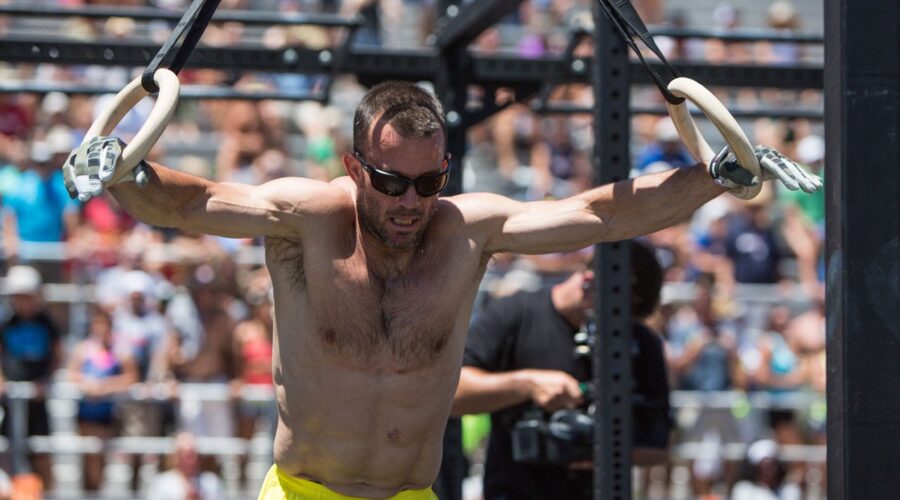
Exercise One: Hanging Knee Raise
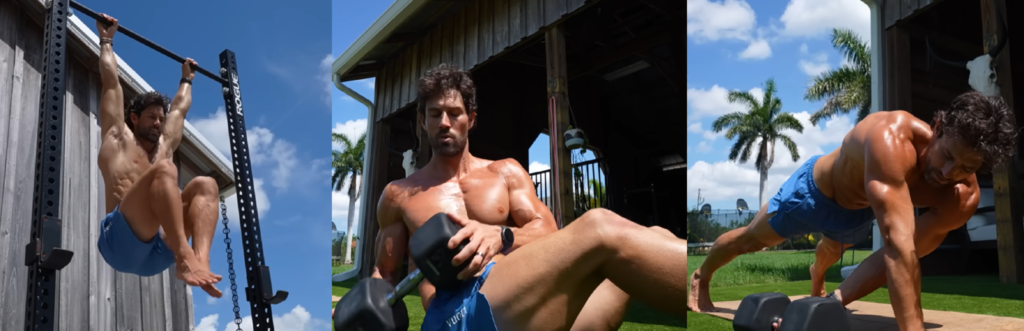
The hanging knee raise is one of the most effective bodyweight exercises for developing the lower portion of the rectus abdominis while simultaneously strengthening the hip flexors, grip, and shoulder stabilizers.
Although many people refer to it as a lower ab exercise, the rectus abdominis functions as a single muscle. The movement simply creates a greater challenge in the lower region because of the mechanics involved.
Why It Works
Electromyography research has consistently demonstrated high levels of rectus abdominis activation during hanging leg raise variations. The instability of hanging from a bar forces the entire core to brace while preventing excessive swinging.
Unlike lying leg raises, the hanging position also encourages greater overall body tension. Your shoulders, upper back, forearms, and grip all contribute to maintaining control throughout the movement.
How to Perform It
- Hang from a pull up bar using an overhand grip with your arms fully extended.
- Pull your shoulders slightly down and back while tightening your core.
- Slowly lift your knees toward your chest without generating momentum.
- Focus on curling your pelvis upward at the top instead of simply lifting your thighs.
- Pause briefly before lowering your legs under complete control until they return to the starting position.
- Avoid swinging, kicking, or rushing through the repetitions.
- Controlled movement produces far greater muscular tension than momentum.
Progressions
Beginners can start with captain’s chair knee raises or lying reverse crunches until sufficient grip strength develops. Intermediate trainees can extend their knees slightly during each repetition. Advanced athletes can perform straight leg raises or even toes to bar for greater abdominal demand.
Exercise Two: Hollow Body Hold
The hollow body hold originated in gymnastics, where exceptional core strength is essential for nearly every skill.
Although it looks simple, it is one of the most demanding bodyweight exercises for teaching full body tension while strongly activating the rectus abdominis and deep stabilizing muscles.
Why It Works
The hollow body position forces the abdominal muscles to resist spinal extension throughout the entire exercise.
Research examining core stabilization has shown that isometric exercises can produce substantial muscular activation while improving trunk stiffness and spinal stability. These adaptations are valuable not only for aesthetics but also for lifting performance, athletic movement, and injury prevention.
Because every muscle from the shoulders to the feet contributes to maintaining the position, the hollow body hold teaches efficient force transfer across the entire body.
How to Perform It
- Lie on your back with your arms extended overhead and your legs straight.
- Press your lower back firmly into the floor before lifting your shoulders and legs a few inches off the ground.
- Your body should resemble a shallow curved shape while maintaining constant tension through the abdominal wall.
- Breathe slowly without allowing your lower back to lift away from the floor.
- If you lose contact between your lower back and the floor, reduce the difficulty immediately.
Progressions
New trainees can bend their knees or keep their arms by their sides. As strength improves, gradually extend both the legs and arms until achieving the full hollow body position. Highly trained athletes can gently rock while maintaining the same rigid posture, increasing the challenge without sacrificing technique.
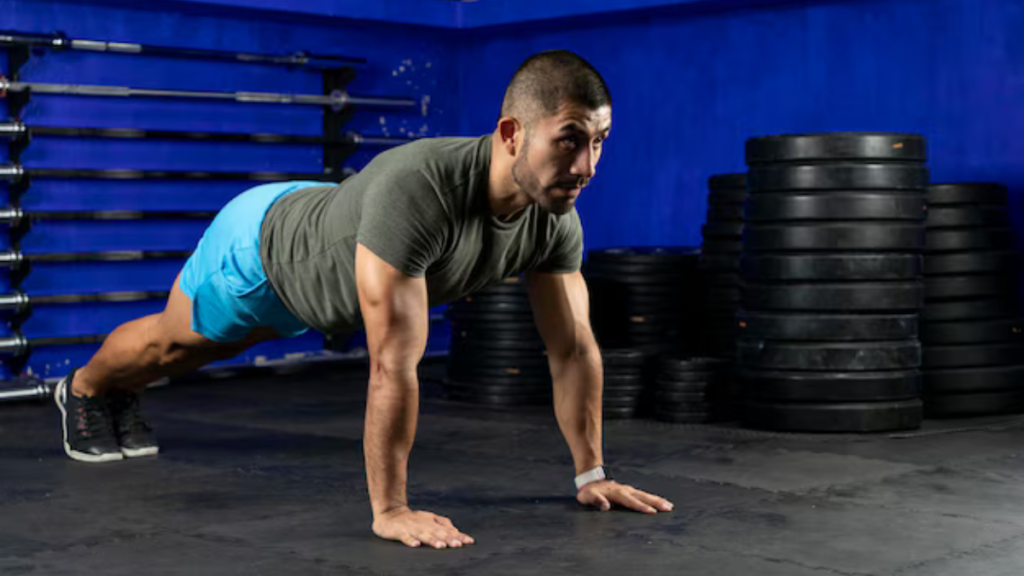
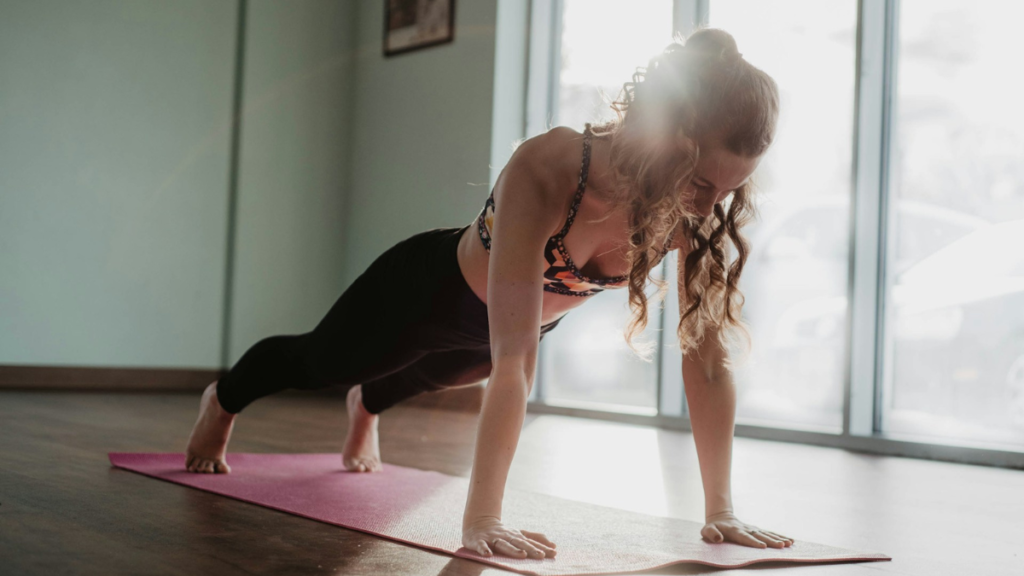
Exercise Three: RKC Plank
The traditional plank is valuable, but the RKC plank transforms a basic stability exercise into a much more intense abdominal challenge.
Originally popularized by strength coaches working with Russian kettlebell methods, the RKC plank emphasizes maximal muscular tension instead of simply holding the position for several minutes.
Why It Works
Research has demonstrated that plank variations effectively activate multiple core muscles while minimizing unnecessary spinal movement. The RKC version dramatically increases muscular recruitment by encouraging full body irradiation. This means intentionally creating tension throughout the entire body.
Instead of relaxing during the hold, you actively squeeze your glutes, quadriceps, fists, and abdominal muscles while attempting to pull your elbows toward your toes without actually moving.
The result is a remarkably demanding exercise that often becomes challenging within twenty to thirty seconds.
How to Perform It
- Assume a forearm plank position with your elbows directly beneath your shoulders.
- Straighten your legs while squeezing your glutes and quadriceps as hard as possible.
- Brace your abs as though preparing to absorb a punch.
- Imagine dragging your elbows toward your feet while simultaneously pulling your feet toward your elbows.
- Neither should actually move, but this intention creates enormous tension through the core.
- Maintain normal breathing while keeping your body perfectly straight from head to heels.
- Stop the set as soon as your hips begin to sag or your posture deteriorates.
Progressions
Increase intensity by extending each hold to thirty seconds while maintaining maximal tension. Advanced trainees can elevate the feet slightly or perform alternating shoulder taps without allowing the hips to rotate.
How Often Should You Train Your Abs?
The abdominal muscles recover relatively quickly because they contain a higher proportion of fatigue resistant muscle fibers than many other muscle groups.
Most men over 30 benefit from training the core two to four times per week while allowing at least one day of recovery between demanding sessions. Quality matters much more than quantity. Performing three focused exercises with excellent technique produces better long term results than completing hundreds of rushed repetitions every day.
Progressive overload remains essential. Increase repetitions, hold times, range of motion, or exercise difficulty gradually over time to continue stimulating muscle growth.
Nutrition Still Determines Whether You See Your Abs
No abdominal exercise can remove fat from your stomach. Numerous studies have shown that spot reduction is largely ineffective. Training the abs strengthens and develops the muscles underneath, but fat loss occurs throughout the body according to genetics, energy balance, and overall body composition. For most men, visible abs require relatively low body fat levels alongside well developed abdominal muscles.
A diet centered around adequate protein intake, minimally processed foods, vegetables, fruits, whole grains, healthy fats, and an appropriate calorie intake supports both muscle retention and fat loss.
Higher protein diets are particularly helpful because they preserve lean muscle during calorie deficits while increasing satiety and supporting recovery from resistance training.
Putting Everything Together
Building visible abs after 30 does not require complicated workouts or expensive equipment. The hanging knee raise develops dynamic abdominal strength while improving overall body control. The hollow body hold teaches total body tension and exceptional spinal stability. The RKC plank builds deep core strength through maximal muscular contraction.
Combined with progressive overload, regular resistance training, sensible nutrition, and maintaining a healthy body fat percentage, these three exercises provide an efficient and scientifically supported approach to developing stronger, more defined abdominal muscles.
Consistency remains the deciding factor. Performing these exercises well every week for months will produce far greater results than constantly switching between trendy workouts or chasing miracle ab routines.
Key Takeaways
| Exercise or Principle | Why It Matters | Practical Recommendation |
|---|---|---|
| Hanging Knee Raise | High activation of the rectus abdominis while improving grip and total body control | Perform with slow, controlled repetitions and avoid swinging |
| Hollow Body Hold | Builds deep core stability and teaches full body tension | Keep the lower back pressed firmly into the floor throughout every hold |
| RKC Plank | Maximizes abdominal activation through intentional muscular tension | Hold for twenty to thirty seconds with maximum effort instead of several relaxed minutes |
| Progressive Overload | Muscles grow only when challenged over time | Gradually increase difficulty through harder variations or longer holds |
| Nutrition | Visible abs require sufficiently low body fat | Combine effective training with a calorie appropriate, high protein diet |
| Consistency | Long term adherence produces the best results | Train the core two to four times each week while prioritizing excellent technique |
References
- American College of Sports Medicine. (2009). American College of Sports Medicine position stand. Progression models in resistance training for healthy adults. Medicine & Science in Sports & Exercise, 41(3), pp. 687 to 708.
- Behm, D.G., Drinkwater, E.J., Willardson, J.M. and Cowley, P.M. (2010). Canadian Society for Exercise Physiology position stand. The use of instability to train the core in athletic and non athletic conditioning. Applied Physiology, Nutrition, and Metabolism, 35(1), pp. 109 to 112.
- Escamilla, R.F., Lewis, C., Bell, D., Bramblet, G., Daffron, J., Lambert, S., Pecson, A., Imamura, R., Paulos, L. and Andrews, J.R. (2010). Core muscle activation during Swiss ball and traditional abdominal exercises. Journal of Orthopaedic & Sports Physical Therapy, 40(5), pp. 265 to 276.
- Hibbs, A.E., Thompson, K.G., French, D., Wrigley, A. and Spears, I. (2008). Optimizing performance by improving core stability and core strength. Sports Medicine, 38(12), pp. 995 to 1008.
- Marshall, P.W.M. and Murphy, B.A. (2005). Core stability exercises on and off a Swiss ball. Archives of Physical Medicine and Rehabilitation, 86(2), pp. 242 to 249.
- Schoenfeld, B.J. (2010). The mechanisms of muscle hypertrophy and their application to resistance training. Journal of Strength and Conditioning Research, 24(10), pp. 2857 to 2872.