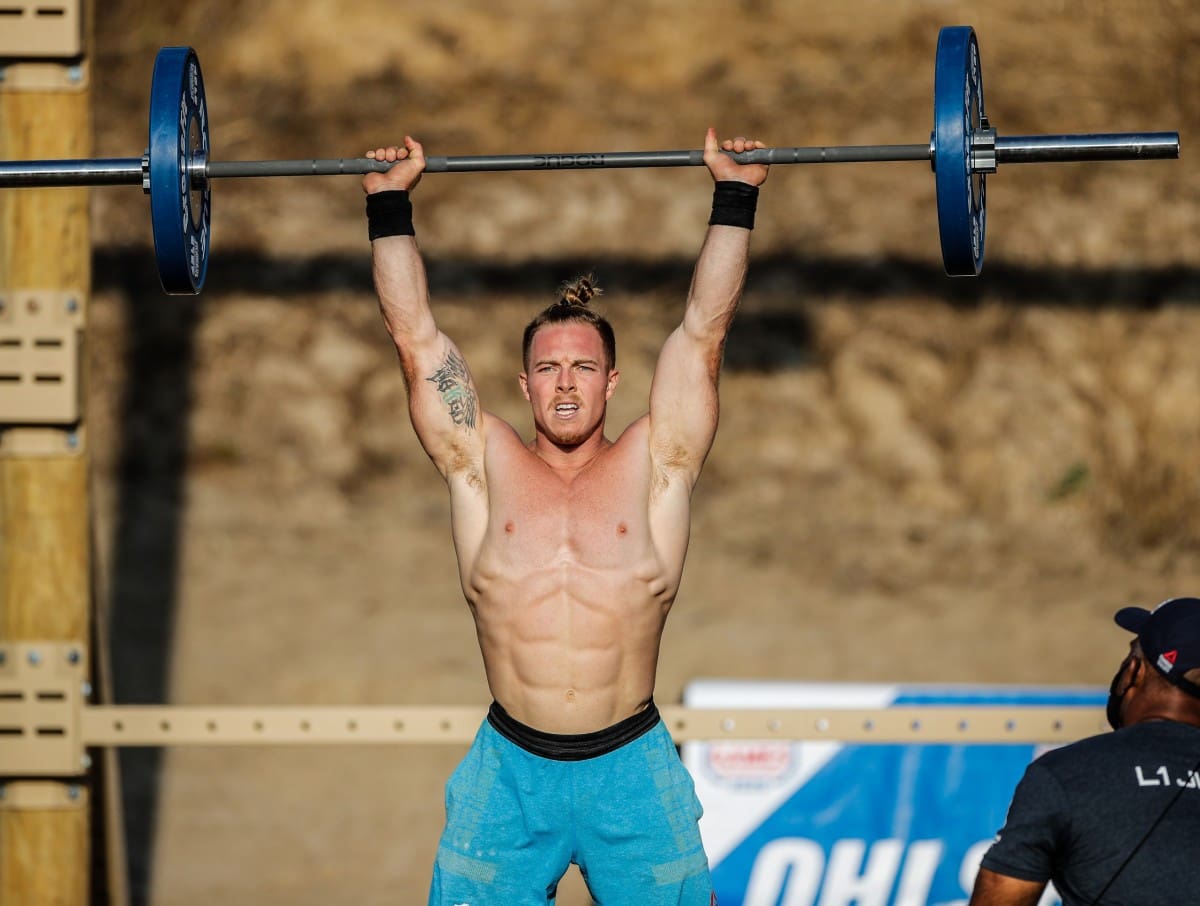


A visible six pack is not created by one magic exercise, a detox, or a brutal month of high rep crunches. It comes from building the abdominal muscles, reducing enough body fat for those muscles to show, and following habits you can sustain long enough to make progress.
It is also worth setting a realistic standard. The exact appearance of your abs varies from person to person because the shape of the rectus abdominis and the connective tissue that separates its sections are individual. A strong and lean midsection is a much better target than trying to copy somebody else’s photo.


These six secrets focus on what actually matters: smart nutrition, effective training, daily activity, recovery, and patience.
Secret 1: Create a Consistent Calorie Deficit
Your abs can be strong, but they will not be clearly visible if a layer of body fat covers them. This is why nutrition is the foundation of getting a six pack. To lose body fat, you need to consume less energy than you use over time.
The key word is consistent. A very aggressive diet can make the scale drop quickly, but it can also leave you exhausted, hungry, and less able to train well. It may also make it harder to retain muscle. Research shows that energy deficits can impair gains in lean mass during resistance training, with larger deficits creating a greater challenge for muscle retention and growth.
For most people, a moderate approach is the best place to start. Build meals around minimally processed foods that are filling and easy to repeat. Fruit, vegetables, potatoes, oats, rice, beans, lean meats, fish, eggs, Greek yogurt, and other protein rich foods can make it easier to control calorie intake without feeling constantly deprived.

You do not need to ban every food you enjoy. In fact, an overly restrictive plan is often the reason people abandon a fat loss phase. Make the majority of your food choices nutritious and satisfying, then leave room for meals you enjoy. The best diet is the one that creates a calorie deficit while still fitting your real life.
Track your body weight several times per week under similar conditions and look at the average rather than reacting to one day. Water retention, digestion, training soreness, and salt intake can all move the scale temporarily. If the average is not moving for several weeks, your calorie intake is probably too high for your current activity level.
Why Slow Progress Protects Your Physique
A six pack is more impressive when it sits on a muscular body. Losing weight too fast can make you look smaller and flatter if muscle mass is lost along the way. Resistance training and adequate protein help you hold onto the lean tissue that gives your torso shape while you reduce body fat.
Think of your calorie deficit as a tool, not a punishment. It should be large enough to produce progress but not so large that your training, sleep, mood, and food focus collapse. The goal is to become leaner while keeping the muscle you have worked to build.
Secret 2: Train Your Abs Like Muscles, Not Just a Warm Up
Your abdominal muscles respond to resistance training. If you want more defined abs when you get leaner, you need to give them a reason to grow. Endless easy crunches may create a burn, but a burn alone does not guarantee meaningful progress.
The rectus abdominis helps flex your torso and stabilize your trunk. Your obliques assist with trunk rotation, side bending, and resisting unwanted movement. A well rounded abdominal plan should include movements that train these functions with control and progressively more challenge.

Cable crunches are useful because the resistance can be adjusted over time. Keep your hips relatively still, curl your rib cage toward your pelvis, and avoid turning the movement into a hip hinge. If you can perform every repetition easily with the same load for weeks, increase the resistance or make the exercise more difficult.
Hanging knee raises and hanging leg raises can train the abs effectively when you control pelvic position rather than simply swinging the legs. Start with bent knees if needed. At the top of each repetition, think about curling your pelvis upward instead of only lifting the thighs.
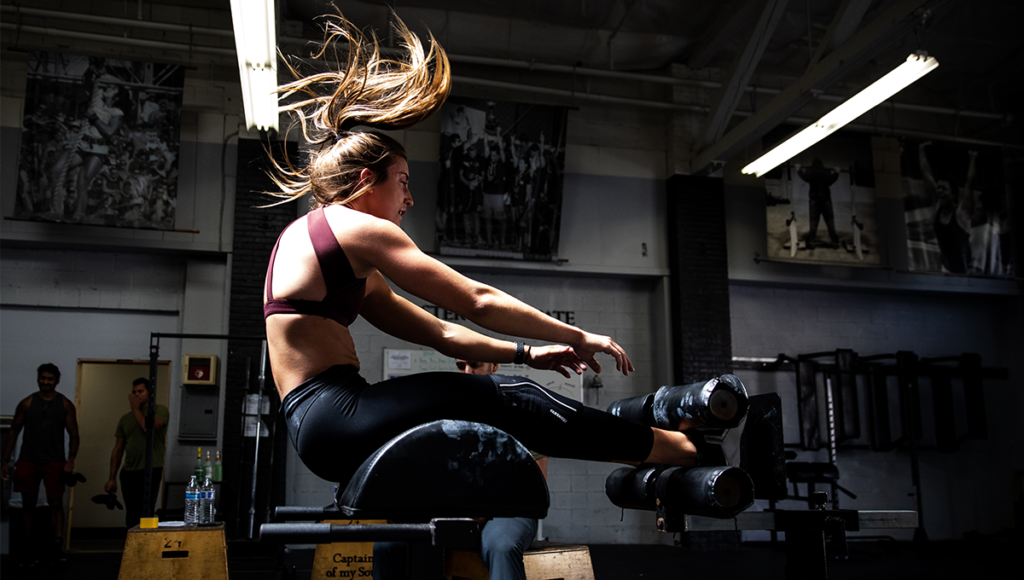
Ab wheel rollouts are another excellent option, although they demand good control. Keep your ribs from flaring excessively and avoid letting your lower back collapse as you move forward. Begin with a shorter range of motion and extend it gradually as your strength improves.
For the obliques, cable rotations, controlled side planks, and suitcase carries can all be valuable. The purpose is not to chase a dramatic twisting motion. It is to teach your trunk to produce and resist force while staying organized.
Research on resistance training volume suggests that greater weekly training volume can support larger gains in muscle mass, although more is not always better if recovery is poor. Two or three focused abdominal sessions per week is a practical starting point. Choose two or three movements, complete challenging sets with controlled technique, and record your progress.
Use Progressive Overload
Progressive overload means gradually asking your body to do more than it could previously manage. For abs, this could mean using more resistance, adding repetitions with good form, improving your range of motion, or performing a more difficult variation.
Do not turn every set into an uncontrolled contest. Use a range of motion you can own, move deliberately, and stop each set when your technique starts to change. Your abs are working when they create or resist movement. Momentum from your arms, hips, or lower back is not a substitute.
Secret 3: Keep Lifting Heavy for Your Whole Body
A six pack does not sit in isolation. Building your chest, back, shoulders, glutes, and legs creates the athletic proportions that make a lean waist look even better. Full body resistance training also helps preserve lean mass while you lose fat.
Squats, deadlifts, presses, rows, pull ups, lunges, and loaded carries require your trunk to stabilize force. They are not replacements for direct abdominal training, but they make your midsection work hard in a functional context. They also help you maintain strength and muscle while dieting.
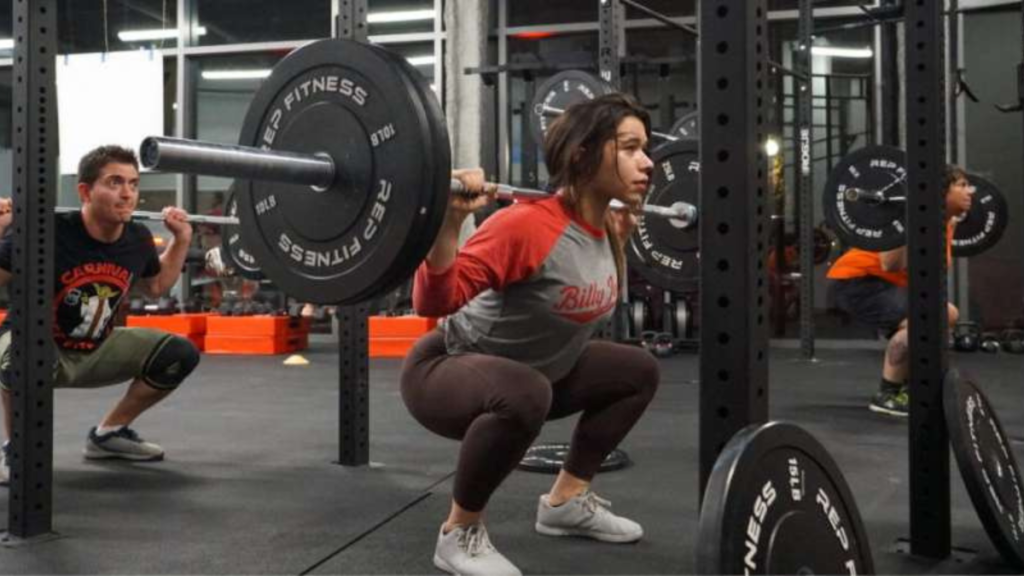
Research consistently shows that resistance training improves muscle size and strength. Protein supplementation can further support gains in lean mass during resistance training, particularly when total daily protein intake is otherwise insufficient. This matters during a fat loss phase because preserving muscle helps maintain the shape and performance of your body.
Aim to train your major muscle groups regularly and make your program progressively harder over time. You do not need a complicated routine. A few well executed sessions each week can produce excellent results when you are consistent.
Do Not Rely on Spot Reduction
You cannot selectively burn fat from your stomach by doing more ab exercises. A controlled study found that six weeks of abdominal exercise improved abdominal muscular endurance but did not reduce abdominal fat or waist related body composition measures.
Ab training is still important because it can strengthen and develop the muscles underneath the fat. Fat loss, however, happens across the body in a pattern influenced by genetics, sex, hormones, and overall energy balance. You lose fat through a consistent calorie deficit, not by trying to force it off one body part.
This is good news because it simplifies the plan. Train abs to build abs. Use nutrition, full body training, and activity to reduce body fat.
Secret 4: Increase Your Daily Movement
A hard gym session is valuable, but it only occupies a small part of the day. Daily movement can make a major difference to total energy expenditure, fitness, and the ease of maintaining a calorie deficit.
Walking is one of the most useful tools available because it is accessible, low impact, and easy to recover from. It does not need to leave you drenched in sweat to be effective. A brisk walk before work, after meals, or during a phone call can steadily increase your activity without adding much fatigue.
Aerobic exercise has been shown to reduce body weight and waist circumference, with larger weekly amounts generally producing greater changes. That does not mean you need to turn every day into a punishing conditioning session. It means regular movement is a reliable part of a fat loss plan.
Choose forms of cardio you can repeat. Walking, cycling, rowing, incline treadmill work, swimming, and easy jogging can all work. If you enjoy high intensity intervals, use them strategically, but do not rely on them as your only form of activity. Hard intervals are demanding, and they can be difficult to recover from when calories are lower.
Make Activity Easy to Repeat
Set a daily step target that is realistic for your current lifestyle, then raise it only when you can maintain it. Someone currently averaging 4,000 steps should not feel pressured to jump immediately to an extreme number. Adding a few thousand consistent daily steps is more useful than one enormous weekend walk followed by several inactive days.
Your activity plan should support your strength training, not sabotage it. If your legs are constantly exhausted, your lifting quality falls and the plan becomes harder to sustain. Start with walking and low intensity cardio, then add more only if you need it.
Secret 5: Eat Enough Protein and Fiber
Protein helps support muscle repair and growth, and it can make dieting easier because protein rich foods are generally filling. A major meta analysis found that protein supplementation enhanced resistance training related gains in strength and lean mass, with benefits leveling off at around 1.6 grams of protein per kilogram of body weight per day for lean mass gains in the average participant.

That figure is not a strict rule, but it provides a useful target. If you weigh 80 kilograms, around 128 grams of protein per day is a sensible starting point. Spread it across meals in a way that fits your preference. You do not need to eat perfectly at every meal, but it helps to include a meaningful protein source whenever you eat.
Fiber deserves equal attention. Foods rich in fiber tend to add volume to meals and can help you feel satisfied while eating fewer calories. Vegetables, fruit, beans, lentils, whole grains, and potatoes are useful choices. Increasing fiber gradually and drinking enough fluid can make the adjustment more comfortable.
Highly palatable foods that combine large amounts of fat, sugar, and refined carbohydrates are easy to overeat. You do not have to eliminate them forever, but they should not dominate your diet when a visible six pack is your priority.
Build Meals That Make Fat Loss Easier
Start with protein, add vegetables or fruit, choose a carbohydrate source that supports your training, and include fats in sensible portions. This simple structure makes your calorie intake easier to manage without requiring obsessive tracking forever.
Keep in mind that alcohol provides calories with little nutritional value and can make food decisions harder. If you drink, reducing the frequency and amount may help you create the consistency required for fat loss.
Secret 6: Take Sleep and Recovery Seriously
Sleep is often treated as optional when people chase a leaner physique. It is not. Poor sleep can increase hunger, reduce the quality of your training, and make healthy decisions more difficult when you are tired.
Experimental research has found that sleep restriction can increase energy intake and contribute to an increase in abdominal fat, including visceral fat, when compared with adequate sleep. This does not mean one short night will erase your progress. It does mean that repeatedly sleeping too little can make a calorie deficit much harder to maintain.
Are Bar Facing Burpees the Perfect Exercise for Burning Body Fat?
Aim for a regular sleep schedule, create a dark and quiet sleep environment, and reduce habits that keep your brain switched on late at night. Caffeine can be useful before training, but consuming it late in the day may interfere with sleep for some people.
Recovery also means managing training stress. More exercise is not always better. If your performance is falling, soreness never improves, hunger is extreme, and you are constantly tired, you may need more food, less training volume, more sleep, or all three.
Give the Process Time
A six pack is the visible result of many ordinary decisions repeated for months. It is not built in one workout and it is rarely achieved by a plan that feels miserable. Focus on your weekly habits: calorie intake, protein, resistance training, direct ab work, daily movement, and sleep.
Take progress photos under the same lighting every few weeks, because the mirror can reveal changes that the scale does not. If you are getting stronger, your waist is gradually reducing, and your habits are consistent, you are moving in the right direction.
The Bottom Line
The perfect six pack is not about finding a secret exercise. It is about combining fat loss with muscular development and treating recovery as part of the program. Eat in a sustainable calorie deficit, train your entire body, develop your abs with progressive resistance, move more each day, prioritize protein and fiber, and sleep enough to support the work.
You cannot control every detail of your abdominal shape, but you can control the habits that make your strongest and leanest physique more likely to appear.
Key Takeaways
| Secret | What to do | Why it matters |
|---|---|---|
| Create a calorie deficit | Reduce calorie intake gradually and monitor average progress | Body fat must decrease for abdominal definition to become visible |
| Train abs progressively | Use challenging movements such as cable crunches, hanging raises, and rollouts | Direct training can build stronger and thicker abdominal muscles |
| Lift for your whole body | Continue resistance training for all major muscle groups | It helps preserve muscle and improves overall physique development |
| Move daily | Walk more and include sustainable cardio | Regular activity supports energy expenditure and fat loss |
| Prioritize protein and fiber | Eat protein rich, high fiber meals consistently | These foods support muscle retention and make a calorie deficit easier |
| Protect sleep and recovery | Keep a regular sleep schedule and manage fatigue | Good recovery supports appetite control, training quality, and consistency |
References
- Alavi, S.F., Tahan, N., Mikaili, S. and Akbarzade Baghban, A. (2023) ‘The effects of curl up and straight leg raising exercises in different hip joint positions on abdominal muscle thickness’, Journal of Chiropractic Medicine, 22(3), pp. 173 to 179.
- Keating, S.E., Johnson, N.A., Mielke, G.I. and Coombes, J.S. (2017) ‘A systematic review and meta analysis of interval training versus moderate intensity continuous training on body adiposity’, Obesity Reviews, 18(8), pp. 943 to 964.
- Murphy, C. and Koehler, K. (2022) ‘Energy deficiency impairs resistance training gains in lean mass but not strength: A meta analysis and meta regression’, Scandinavian Journal of Medicine and Science in Sports, 32(1), pp. 125 to 137.
- Morton, R.W., Murphy, K.T., McKellar, S.R., Schoenfeld, B.J., Henselmans, M., Helms, E., Aragon, A.A., Devries, M.C., Banfield, L., Krieger, J.W. and Phillips, S.M. (2018) ‘A systematic review, meta analysis and meta regression of the effect of protein supplementation on resistance training induced gains in muscle mass and strength in healthy adults’, British Journal of Sports Medicine, 52(6), pp. 376 to 384.
- Pan, L., Guo, Y., Liu, X., Yan, J. and Liu, X. (2024) ‘Aerobic exercise and weight loss in adults: A systematic review and dose response meta analysis’, JAMA Network Open, 7(12), e2452238.
- Schoenfeld, B.J., Ogborn, D. and Krieger, J.W. (2017) ‘Dose response relationship between weekly resistance training volume and increases in muscle mass: A systematic review and meta analysis’, Journal of Sports Sciences, 35(11), pp. 1073 to 1082.
- Vispute, S.S., Smith, J.D., LeCheminant, J.D. and Hurley, K.S. (2011) ‘The effect of abdominal exercise on abdominal fat’, Journal of Strength and Conditioning Research, 25(9), pp. 2559 to 2564.
- Wang, X., Zhou, X., Zhao, Z., Yang, S., Qu, J., Zhang, Z., Zhang, Y., Li, X. and Somers, V.K. (2022) ‘Effects of experimental sleep restriction on energy intake, energy expenditure, and visceral obesity’, Journal of the American College of Cardiology, 79(13), pp. 1254 to 1265.