

Belly fat is one of the most stubborn types of body fat to lose. It is also one of the most concerning from a health perspective because excess abdominal fat is linked to a higher risk of cardiovascular disease, type 2 diabetes, metabolic syndrome, certain cancers, and premature mortality. As a result, many people search for the best exercises to target fat around their midsection.
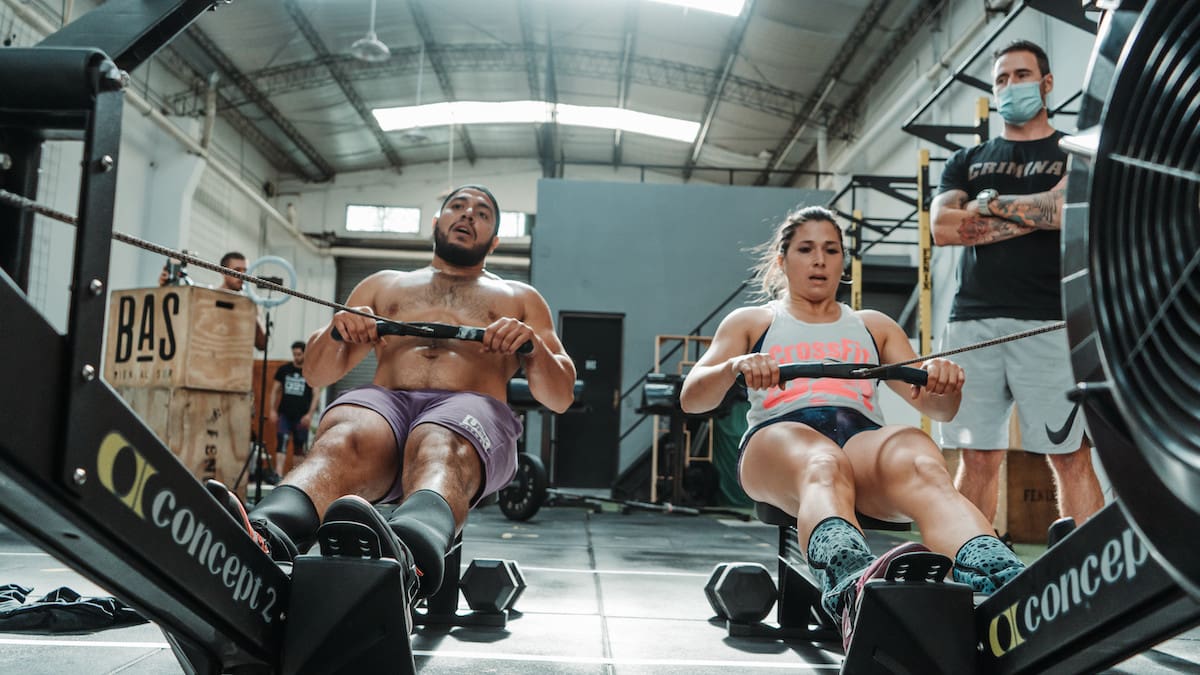
Rowing has become increasingly popular as both a gym workout and a competitive sport. Modern rowing machines can be found in almost every commercial fitness facility, while rowing classes have emerged as a popular alternative to running, cycling, and traditional cardio workouts.



But can rowing actually help you lose belly fat? More importantly, does rowing offer any unique advantages compared to other forms of exercise when it comes to reducing abdominal fat?
The short answer is yes. Rowing can be highly effective for reducing belly fat when combined with appropriate nutrition and consistent training. However, the process works differently than many people think. Rowing does not directly burn fat from your stomach during exercise. Instead, it helps create the physiological conditions necessary for overall fat loss, which eventually reduces abdominal fat stores.
Understanding Belly Fat
Before exploring rowing specifically, it is important to understand what belly fat actually is.
The Two Types of Abdominal Fat
Abdominal fat generally exists in two forms.
- Subcutaneous fat sits directly beneath the skin. This is the soft layer that can be pinched around the waist.
- Visceral fat lies deeper within the abdominal cavity and surrounds internal organs such as the liver, pancreas, and intestines.
Visceral fat is considered more dangerous because it actively produces inflammatory compounds and hormones that can negatively affect metabolic health. Research has consistently shown that excess visceral fat is strongly associated with insulin resistance, cardiovascular disease, and increased mortality risk.
Why Belly Fat Is Difficult to Lose
Many people believe specific exercises can target fat loss in particular body regions. This concept is known as spot reduction. Scientific evidence overwhelmingly shows that spot reduction does not work. Training a particular body part does not cause significant fat loss specifically from that area.
Studies examining abdominal exercises have demonstrated that performing hundreds of sit ups or crunches does not preferentially reduce abdominal fat. Instead, fat loss occurs throughout the body according to genetics, hormones, age, sex, and overall energy balance.

This means rowing will not directly burn stomach fat during exercise. However, rowing can significantly contribute to overall fat loss, which eventually includes reductions in abdominal fat stores.
How Fat Loss Actually Happens
To understand rowing’s effectiveness, it is necessary to understand the basic principles of fat loss.
Energy Balance Matters Most
Body fat decreases when the body consistently uses more energy than it consumes. This state is known as a calorie deficit.
When calorie intake remains lower than energy expenditure over time, the body begins mobilizing stored fat to meet energy demands. Exercise contributes to this process by increasing daily calorie expenditure.
Exercise Provides Additional Benefits
While nutrition is the primary driver of fat loss, exercise offers unique benefits that make weight management easier. Exercise increases daily energy expenditure, helps preserve lean muscle mass during dieting, improves insulin sensitivity, supports cardiovascular health, and enhances long term weight maintenance.
Research suggests individuals who combine dietary interventions with regular exercise typically achieve greater fat loss and maintain results more successfully than those relying on diet alone.
Why Rowing Is Such an Effective Fat Loss Exercise
Rowing stands out because it combines cardiovascular training and resistance training into a single movement.
Rowing Uses Nearly the Entire Body
Unlike many forms of cardio, rowing recruits muscles throughout the body. Research analyzing rowing biomechanics shows that approximately 85 percent of the body’s musculature contributes during the rowing stroke.
The primary muscles involved include the quadriceps, hamstrings, glutes, calves, latissimus dorsi, rhomboids, trapezius, shoulders, arms, and core muscles. Because so many muscle groups are active simultaneously, rowing requires substantial energy expenditure.
High Calorie Burn
One reason rowing is effective for fat loss is the large number of calories it can burn. The exact amount depends on body weight, intensity, fitness level, and workout duration.
- Moderate intensity rowing can burn approximately 400 to 600 calories per hour for many individuals.
- High intensity rowing sessions may exceed 700 to 900 calories per hour in larger or highly trained individuals.
Research comparing various forms of aerobic exercise consistently places rowing among the highest calorie burning activities available.
Low Impact Yet High Intensity
Many people struggle with running due to joint pain, previous injuries, or excess body weight. Rowing offers a unique solution because it is a low impact activity.
The seated position significantly reduces stress on the knees, ankles, and hips while still allowing participants to reach high cardiovascular intensities. This makes rowing accessible to a wider range of people and may improve long term exercise adherence.
The Relationship Between Rowing and Belly Fat Reduction
Rowing Promotes Total Body Fat Loss
Since spot reduction is not possible, rowing reduces belly fat by helping decrease total body fat levels. As overall body fat declines, both subcutaneous and visceral abdominal fat tend to decrease.
Numerous studies have demonstrated that aerobic exercise can significantly reduce visceral fat even without dramatic weight loss. This finding is particularly important because visceral fat is the form most strongly associated with disease risk.
Rowing and Visceral Fat
Exercise appears especially effective at reducing visceral adipose tissue. Research examining aerobic training programs has repeatedly shown reductions in abdominal visceral fat independent of major changes in body weight.
This means individuals may experience meaningful improvements in metabolic health even when the scale does not move dramatically. Given rowing’s high energy expenditure and cardiovascular demands, it can be an excellent tool for targeting the conditions that promote visceral fat loss.

Improved Insulin Sensitivity
Excess belly fat is closely linked with insulin resistance. Regular rowing training improves glucose metabolism and insulin sensitivity.
Improved insulin sensitivity helps the body regulate blood sugar more effectively and may support healthier body composition over time. Research consistently demonstrates that both aerobic and resistance exercise contribute to these metabolic improvements.
High Intensity Interval Training and Rowing
One of the most effective ways to use rowing for fat loss is through high intensity interval training.
What Is High Intensity Interval Training?
High intensity interval training, often called HIIT, alternates short periods of intense effort with recovery periods. For example, a rowing workout might involve: Thirty seconds of maximal effort rowing followed by ninety seconds of easy rowing. This cycle can be repeated several times.
Why HIIT Works
Research has shown that HIIT can improve aerobic fitness, insulin sensitivity, and body composition while requiring less time than traditional endurance training. Several studies indicate HIIT may be particularly effective for reducing abdominal and visceral fat.
The intense nature of HIIT creates substantial metabolic stress and can elevate post exercise oxygen consumption, increasing energy expenditure after the workout ends.
Combining HIIT and Steady State Rowing
Both HIIT and moderate intensity steady state rowing have advantages. Steady state sessions help build aerobic capacity, improve recovery, and increase overall calorie expenditure.
HIIT provides a powerful stimulus for fitness improvements and abdominal fat reduction. A balanced program often incorporates both approaches.
What Does the Research Say Overall?
The scientific evidence strongly supports rowing as an effective tool for reducing body fat and improving health. Rowing combines high calorie expenditure, full body muscular engagement, cardiovascular conditioning, and relatively low injury risk.
5 Signs Your Fitness is Better than Average for Your Age
While no exercise can selectively eliminate stomach fat, rowing contributes to the calorie deficit and metabolic adaptations necessary for reducing both subcutaneous and visceral abdominal fat. When combined with sensible nutrition, adequate protein intake, resistance training, and consistent sleep habits, rowing becomes a powerful strategy for improving body composition.
For individuals seeking a joint friendly, time efficient, full body workout that supports fat loss and long term health, rowing deserves serious consideration.
Conclusion
Can rowing help you lose belly fat? Yes. Rowing can be highly effective for reducing belly fat because it burns significant calories, engages most major muscle groups, improves cardiovascular fitness, enhances insulin sensitivity, and supports overall fat loss.
However, rowing does not directly target abdominal fat. Belly fat decreases as part of total body fat reduction, which occurs when consistent rowing is combined with a calorie controlled diet and healthy lifestyle habits.
The combination of high energy expenditure, low impact movement, full body muscle recruitment, and versatility makes rowing one of the most effective forms of exercise for people aiming to improve body composition and reduce abdominal fat.
For those looking to lose belly fat while improving strength, endurance, and long term health, rowing offers one of the most complete exercise solutions available.
Key Takeaways
| Factor | What the Science Shows | Practical Takeaway |
|---|---|---|
| Spot Reduction | Targeted fat loss from specific body parts does not occur | Rowing will not directly burn stomach fat |
| Calorie Burn | Rowing burns large numbers of calories due to full body muscle involvement | Supports the calorie deficit needed for fat loss |
| Visceral Fat | Aerobic exercise reduces harmful abdominal visceral fat | Rowing can improve metabolic health |
| Muscle Activation | Around 85 percent of the body’s muscles are involved during rowing | Greater total energy expenditure |
| Joint Stress | Rowing is low impact compared with running | Suitable for many people with joint concerns |
| HIIT Potential | High intensity intervals effectively improve fitness and body composition | Rowing is ideal for interval training |
| Nutrition | Diet remains the primary driver of fat loss | Combine rowing with proper eating habits |
| Long Term Results | Consistency matters more than workout intensity alone | Regular rowing produces the best outcomes |
References
• Bouchard, C., Blair, S.N. and Haskell, W.L. (2012) Physical Activity and Health. 2nd ed. Champaign, IL: Human Kinetics.
• Donnelly, J.E., Blair, S.N., Jakicic, J.M., Manore, M.M., Rankin, J.W. and Smith, B.K. (2009) Appropriate physical activity intervention strategies for weight loss and prevention of weight regain for adults. Medicine & Science in Sports & Exercise, 41(2), pp.459-471.
• Franklin, B.A., Durstine, J.L., Roberts, C.K. and Barnard, R.J. (2014) Impact of diet and exercise on lipid management in the modern era. Best Practice & Research Clinical Endocrinology & Metabolism, 28(3), pp.405-421.
• Hagerman, F.C. (1984) Applied physiology of rowing. Sports Medicine, 1(4), pp.303-326.
• Irving, B.A., Davis, C.K., Brock, D.W., Weltman, J.Y., Swift, D., Barrett, E.J., Gaesser, G.A. and Weltman, A. (2008) Effect of exercise training intensity on abdominal visceral fat and body composition. Medicine & Science in Sports & Exercise, 40(11), pp.1863-1872.
• Keating, S.E., Johnson, N.A., Mielke, G.I. and Coombes, J.S. (2015) A systematic review and meta analysis of interval training versus moderate intensity continuous training on body adiposity. Obesity Reviews, 16(9), pp.737-749.
• Lee, S., Kuk, J.L., Davidson, L.E., Hudson, R., Kilpatrick, K., Graham, T.E. and Ross, R. (2005) Exercise without weight loss is an effective strategy for obesity reduction in obese individuals with and without type 2 diabetes. Journal of Applied Physiology, 99(3), pp.1220-1225.
• Ross, R. and Janssen, I. (2001) Physical activity, total and regional obesity: Dose response considerations. Medicine & Science in Sports & Exercise, 33(6 Suppl), pp.S521-S527.
• Ross, R., Dagnone, D., Jones, P.J.H., Smith, H., Paddags, A., Hudson, R. and Janssen, I. (2000) Reduction in obesity and related comorbid conditions after diet induced weight loss or exercise induced weight loss in men. Annals of Internal Medicine, 133(2), pp.92-103.
• Schoenfeld, B.J. and Aragon, A.A. (2018) How much protein can the body use in a single meal for muscle building? Implications for daily protein distribution. Journal of the International Society of Sports Nutrition, 15(10), pp.1-6.
• Slentz, C.A., Duscha, B.D., Johnson, J.L., Ketchum, K., Aiken, L.B., Samsa, G.P., Houmard, J.A., Bales, C.W. and Kraus, W.E. (2004) Effects of the amount of exercise on body weight, body composition, and measures of central obesity. Archives of Internal Medicine, 164(1), pp.31-39.
• Visser, M., van Etten, L.M.L., Deurenberg, P. and Hautvast, J.G.A.J. (1994) The role of physical activity in the prevention of obesity. European Journal of Clinical Nutrition, 48(Suppl 3), pp.S94-S108.
• Westerterp, K.R. (2018) Exercise, energy balance and body composition. European Journal of Clinical Nutrition, 72(9), pp.1246-1250.
• Wilmore, J.H. and Costill, D.L. (2004) Physiology of Sport and Exercise. 3rd ed. Champaign, IL: Human Kinetics.